Boiler Emergency Action Planner
Assess Your Situation
Answer these questions to get your customized emergency plan.
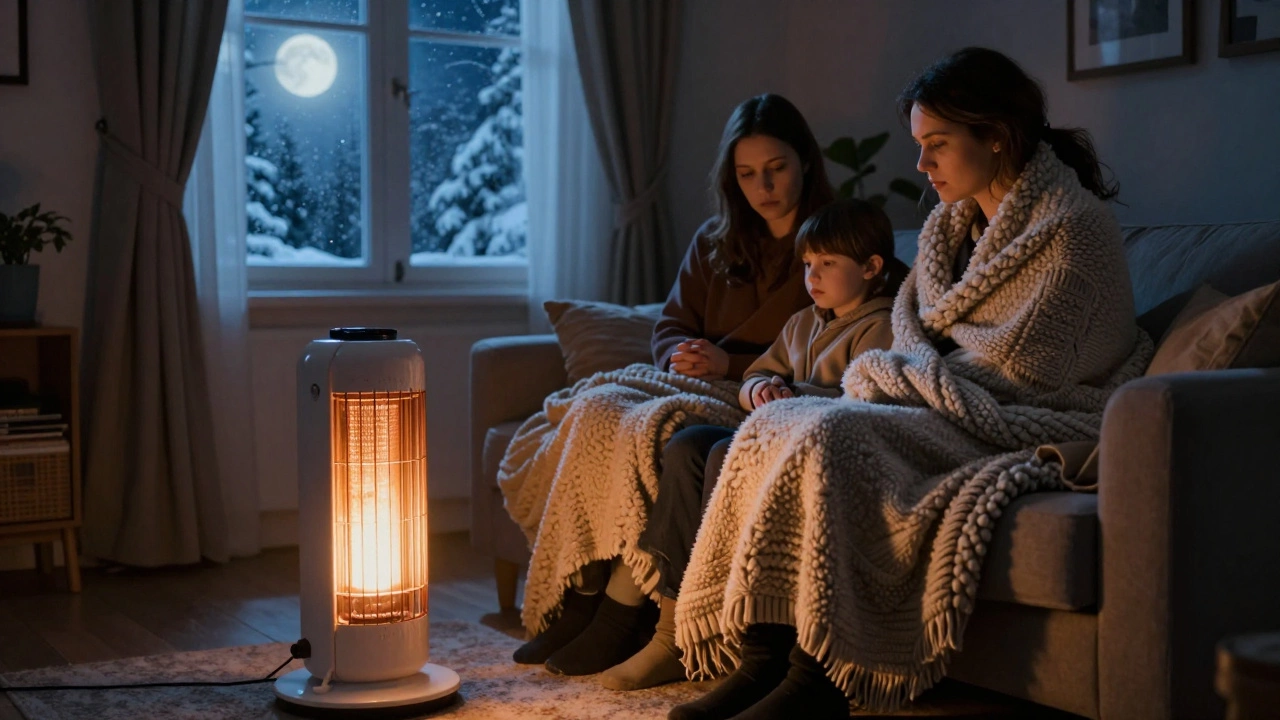
Imagine this: You step out of the shower, wrap a towel around yourself, and realize the house is freezing. The boiler has quit on you right in the middle of winter. Panic sets in immediately. You’re not just cold; you’re worried about frozen pipes, comfort, and safety. This is a nightmare scenario for any homeowner, but it happens more often than you’d think.
The good news? You don’t have to sit in the dark and shiver while waiting for a technician. There are several ways to keep your home warm and your family safe until the boiler repair professional arrives. However, doing it wrong can be dangerous. We’re talking carbon monoxide risks, fire hazards, and even further damage to your property. Let’s walk through exactly how to handle a broken boiler situation safely and effectively.
Immediate Safety Checks Before Doing Anything Else
Before you grab a blanket or plug in a heater, you need to make sure the situation isn't an emergency that requires immediate evacuation. A broken boiler isn't always just a mechanical failure; sometimes it's a safety hazard.
- Smell gas? If you smell rotten eggs (the odor added to natural gas), do not turn any lights on or off. Do not use any electrical switches. Leave the house immediately and call your gas provider from outside.
- Carbon Monoxide Alarm: If your CO alarm is sounding, get everyone out of the house now. Carbon monoxide is odorless and deadly. Do not re-enter until professionals say it's safe.
- Water Leaks: Check around the boiler. Is it leaking water onto the floor? If so, turn off the power to the boiler at the circuit breaker to prevent electrical shock. Place buckets under leaks if safe to do so.
If none of these red flags are present, you can proceed to warming up the house using alternative methods. The goal here is survival and comfort, not perfection.
Using Space Heaters Safely and Effectively
Space heaters are the most common backup plan when central heating fails. But they aren't all created equal, and using them incorrectly is a leading cause of house fires. You want to choose the right type and place it correctly.
| Type | Best For | Safety Risk | Efficiency |
|---|---|---|---|
| Ceramic Fan Heater | Quick heat in small rooms | Medium (can overheat if blocked) | High |
| Radiant Panel Heater | Warming specific spots/chairs | Low (surface stays cool) | Medium |
| Kerosene Heater | Large open areas without electricity | High (requires ventilation) | High |
| Infrared Heater | Outdoor patios or drafty rooms | Low | Medium |
If you use electric space heaters, follow these rules strictly:
- Never leave them unattended. Turn them off when you leave the room or go to sleep.
- Keep them away from flammables. Maintain at least three feet of clearance from curtains, bedding, furniture, and papers.
- Plug directly into the wall. Avoid extension cords. They can overheat and melt, causing fires. If you must use one, ensure it’s heavy-duty and rated for high-wattage appliances.
- Use surge protectors wisely. Don’t run multiple high-wattage heaters on the same circuit. This will trip your breakers, leaving you with no heat and potentially damaging your wiring.
A pro tip: Focus your heating efforts on one or two rooms rather than trying to heat the whole house. It’s much easier to keep a bedroom or living area comfortable than to fight the cold in every corner. Close doors to unused rooms to trap the heat where you need it.
Insulating Your Home to Retain Heat
Heating is only half the battle. The other half is keeping that heat inside. When your boiler is down, every degree of warmth counts. You can dramatically improve your comfort level by sealing drafts and adding insulation layers.
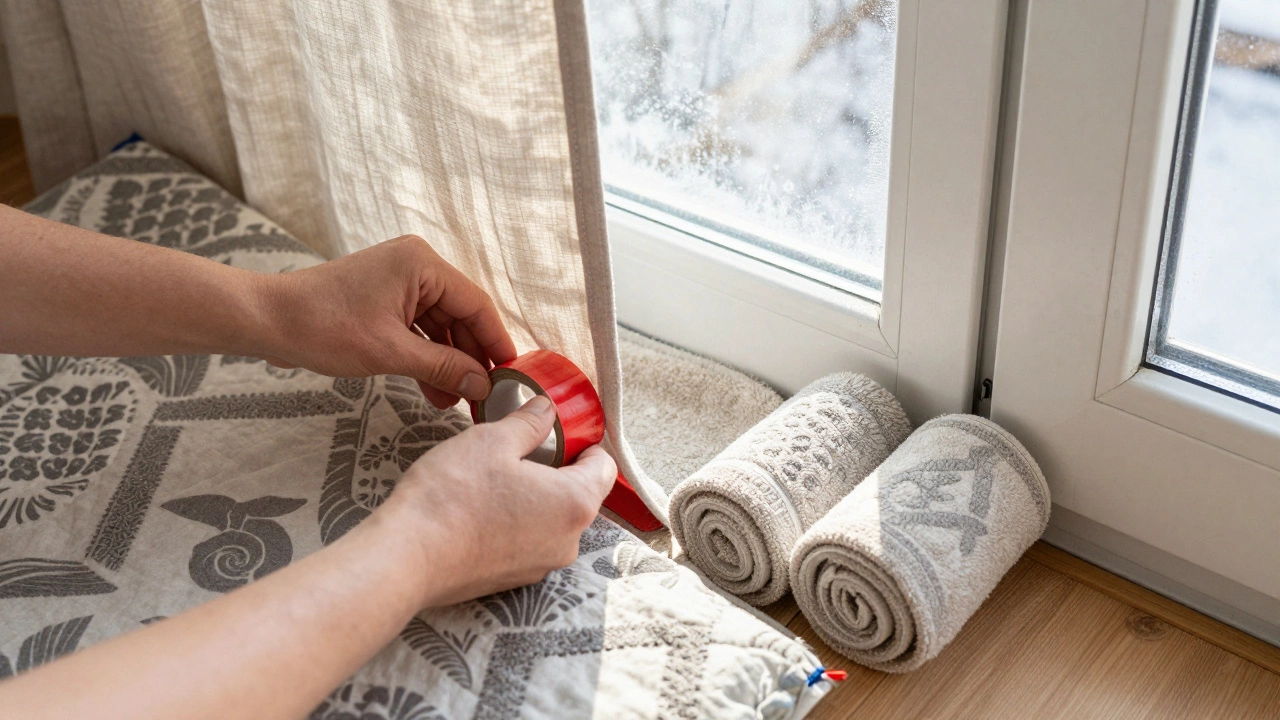
Start with the windows. Glass is terrible at retaining heat. Hang heavy blankets, towels, or thermal curtains over your windows. Tape them securely to the frame. This creates an air pocket that acts as extra insulation. If you have storm windows, close them tight. For a quick fix, use plastic window insulator kits available at hardware stores-they shrink-wrap over the window frame and can raise the temperature of a room by several degrees.
Don’t forget the doors. Weather stripping might be worn out, letting cold air seep in. Roll up old towels or buy door snakes to place at the bottom of exterior doors. Also, check your attic hatch or basement stairs. Cold air sinks, and warm air rises. If your ceiling hatch is poorly insulated, you’re losing heat to the roof space. Seal it with a blanket or foam board.
Another simple trick: Open your curtains during the day when the sun is shining. Let the solar radiation heat up your floors and walls. Close them tightly at night to prevent that heat from escaping through the glass. It sounds basic, but passive solar heating is free and effective.
Personal Warming Strategies
Sometimes, heating the air isn't enough, especially if you're trying to conserve energy. In those cases, focus on warming your body directly. Humans are remarkably adaptable, and we can feel warmer even if the ambient temperature drops slightly.
- Layer up. Wear thermal underwear, wool socks, and fleece jackets. Wool is superior because it retains warmth even when damp. Cotton traps moisture against your skin, which makes you colder.
- Use heated blankets. Electric blankets are incredibly efficient. They warm your body directly, allowing you to lower the thermostat (or space heater) setting. Just ensure the blanket is in good condition-no frayed wires or scorch marks.
- Hot water bottles. Fill a rubber hot water bottle with boiling water and tuck it into your bed or lap. It provides localized, soothing heat for hours. Microwaveable bean bags work too, though they cool down faster.
- Stay hydrated and eat well. Your body generates heat through metabolism. Eating warm meals and drinking hot tea or soup helps maintain your core temperature. Avoid alcohol; it dilates blood vessels, making you feel warm temporarily but actually causing you to lose body heat faster.
If you have pets, bundle them up too. Dogs and cats seek out warmth, and sharing body heat in a "cuddle puddle" can make everyone feel cozier. Just make sure they aren't blocking airflow to your space heaters.
When to Consider Alternative Fuel Sources
In extreme situations, people sometimes turn to wood stoves, fireplaces, or kerosene heaters. These options come with significant risks and should only be used if you have experience and proper ventilation.
If you have a working fireplace, burning wood can provide substantial heat. Ensure the chimney is clean to prevent creosote buildup, which causes chimney fires. Never burn trash or treated wood, as this releases toxic fumes. Keep a fire screen in front of the hearth to stop sparks from flying onto rugs.
Kerosene heaters are powerful but require careful handling. They must be used in well-ventilated areas to prevent carbon monoxide buildup. Always use the correct grade of kerosene (K1) and never refuel a hot heater. Store fuel outside the living area. If you’re unsure about ventilation or operation, skip this option. It’s not worth the risk.
Never use your oven or stove to heat the house. Gas ovens produce carbon monoxide, and electric ovens draw massive amounts of power, likely tripping breakers. Both methods are inefficient and dangerous for sustained heating.
Preventing Pipe Freezes
One of the biggest dangers of a broken boiler in winter isn't just discomfort-it's burst pipes. When water freezes, it expands, putting immense pressure on pipes until they crack. The resulting flood can cause thousands of dollars in damage.
To prevent this, let faucets drip slightly. Moving water is less likely to freeze. Open cabinet doors under sinks to allow warm air from the room to circulate around the pipes. If you have exposed pipes in attics or basements, wrap them with foam insulation or even old rags and tape.
If temperatures drop below freezing and you expect to be away from home, consider shutting off the main water valve and draining the system. It’s better to deal with no water than to come home to a flooded house. Consult a plumber if you’re unsure how to drain your system properly.
Getting Professional Help Fast
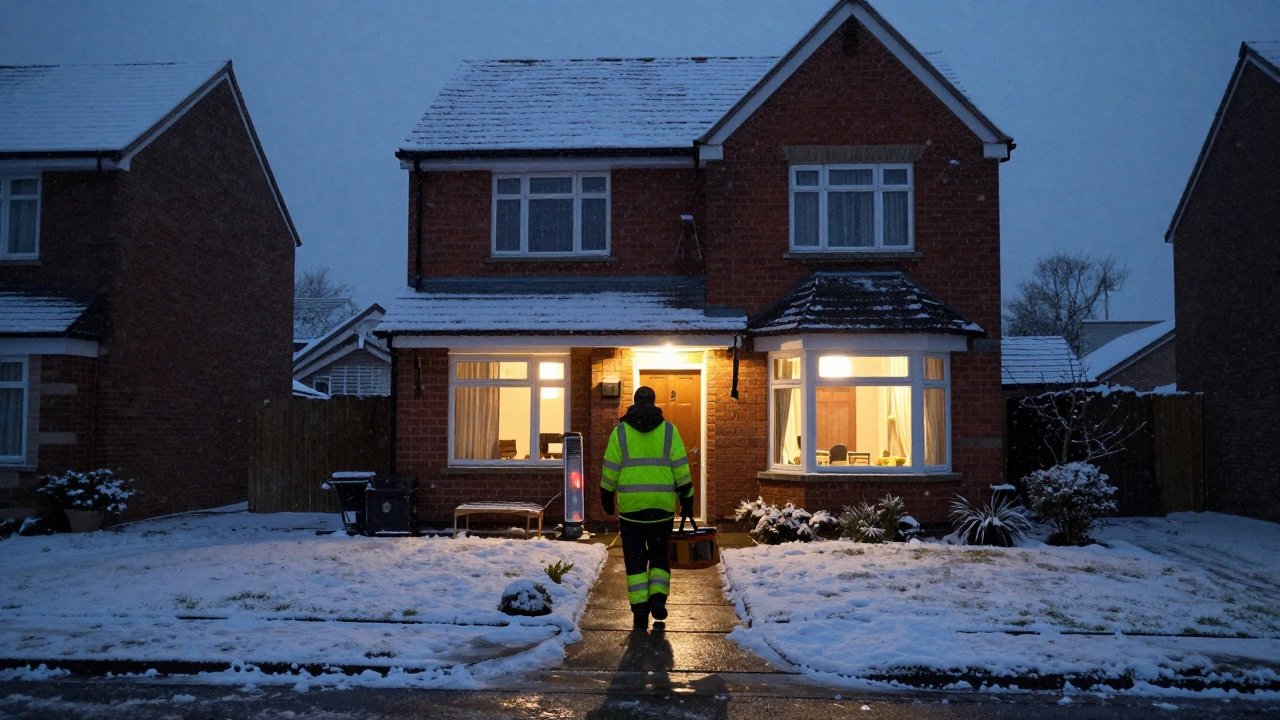
Temporary measures are just that-temporary. You need a qualified technician to diagnose and fix the issue. Here’s how to speed up the process:
- Know your boiler model. Have the make, model, and age ready. This helps the technician bring the right parts.
- Check your warranty. Many boilers have warranties that cover repairs. Contact the manufacturer or installer first; they may offer expedited service.
- Call multiple companies. Don’t rely on one quote. Ask for emergency rates upfront. Some companies charge double for after-hours calls, so weigh the cost against the urgency.
- Ask about diagnostics. A reputable technician will explain what’s wrong before starting repairs. Beware of anyone who pressures you into buying a new unit immediately without a thorough inspection.
If the repair estimate is high, ask for a second opinion. Sometimes, a simple part replacement like a thermostat or pump can save you from replacing the entire system.
Can I use a portable heater overnight?
It depends on the type. Ceramic fan heaters should generally not be left running unattended due to fire risk. Radiant panel heaters are safer for overnight use as they stay cooler to the touch, but still require caution. Always ensure the heater is on a stable surface, away from bedding, and plugged directly into a wall outlet. Never use extension cords for overnight heating.
How long can I live without a boiler?
Technically, you can survive indefinitely with alternative heating, but it’s uncomfortable and risky. Most people manage for a few days to a week using space heaters and insulation. Prolonged exposure to cold increases health risks, especially for elderly individuals or those with respiratory issues. Aim to get repairs done within 48-72 hours.
Is it safe to use a charcoal grill indoors?
Absolutely not. Charcoal grills produce lethal levels of carbon monoxide. Using them indoors, in garages, or even partially enclosed spaces can result in death. Only use grills outdoors in well-ventilated areas.
What should I do if my boiler makes strange noises?
Strange noises like banging, gurgling, or whistling often indicate problems like airlocks, limescale buildup, or pump failures. While not always emergencies, they signal that the boiler needs attention. Turn off the boiler and call a technician. Ignoring these sounds can lead to complete failure or safety hazards.
Can I reset my boiler myself?
Some modern boilers have a reset button. If the boiler has locked due to a minor fault, resetting it might restore function. However, if it locks again immediately, there’s a deeper issue. Repeated resets can mask serious problems. Consult your manual first, and if unsure, call a professional.