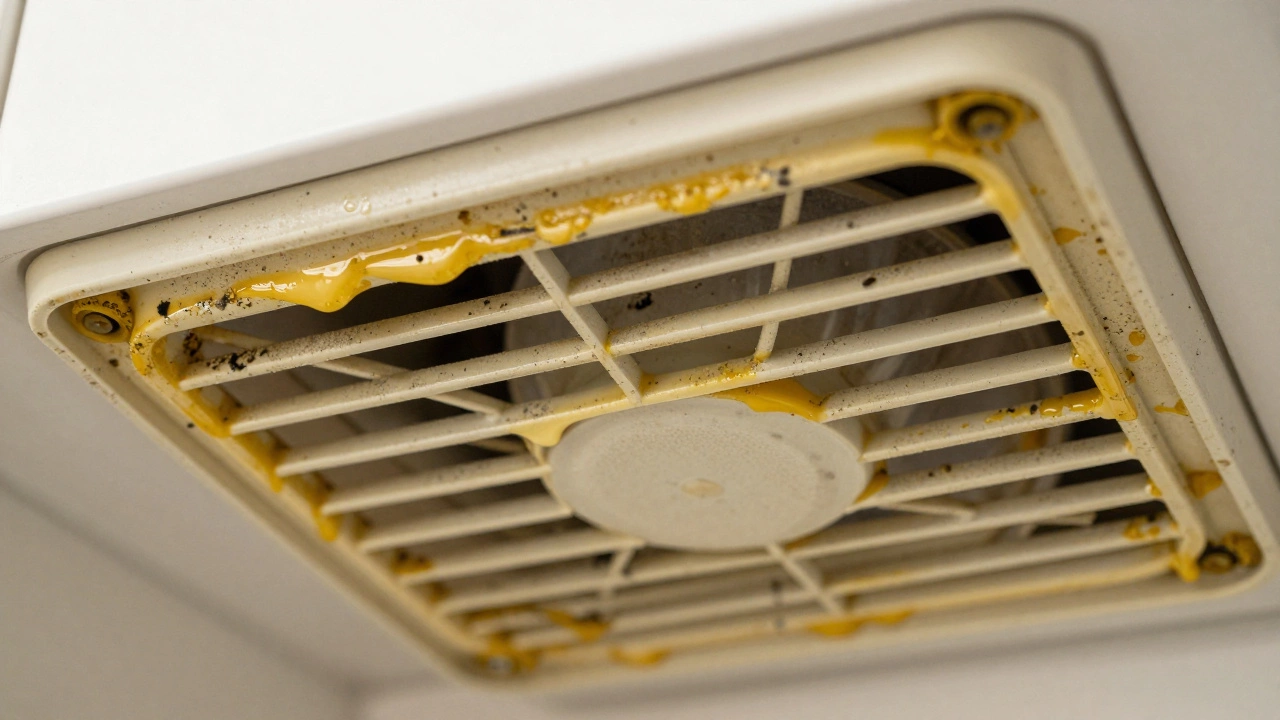
Most of us ignore the extractor fan until it starts making a rattling sound or stops sucking up steam entirely. By then, you're usually looking at a thick layer of solidified grease that's choking the motor. A neglected fan doesn't just smell; it becomes a fire hazard because grease is incredibly flammable. If you can see visible grime on the grill or notice the suction has dropped, you're overdue for a service. The good news is that you don't need to be an electrician to keep your ventilation running smoothly; a bit of degreaser and a vacuum cleaner go a long way.
Quick Maintenance Essentials
- Filter Degreasing: Remove and soak filters in hot, soapy water.
- Fan Blade Cleaning: Wipe away dust and grease to prevent motor imbalance.
- Duct Inspection: Check for blockages or leaks in the external venting.
- Motor Check: Ensure the bearings aren't seized and the fan spins freely.
Understanding Your Ventilation System
Before you grab the screwdriver, you need to know what you're working with. An Extractor Fan is a mechanical ventilation device designed to remove airborne contaminants, smoke, and odors from a room. Most household units fall into two camps: recirculating fans and vented fans.
Recirculating fans pull air through a Charcoal Filter, which scrubs the smell out before blowing the air back into the room. Vented fans, on the other hand, push the air through a duct to the outside. If you have a vented system and you notice a smell of dampness, your external vent might be blocked by a bird's nest or accumulated lint. Understanding this distinction is key because if you're servicing a recirculating fan, the charcoal filter cannot be washed-it must be replaced every 6 to 12 months.
The Essential Toolkit for Servicing
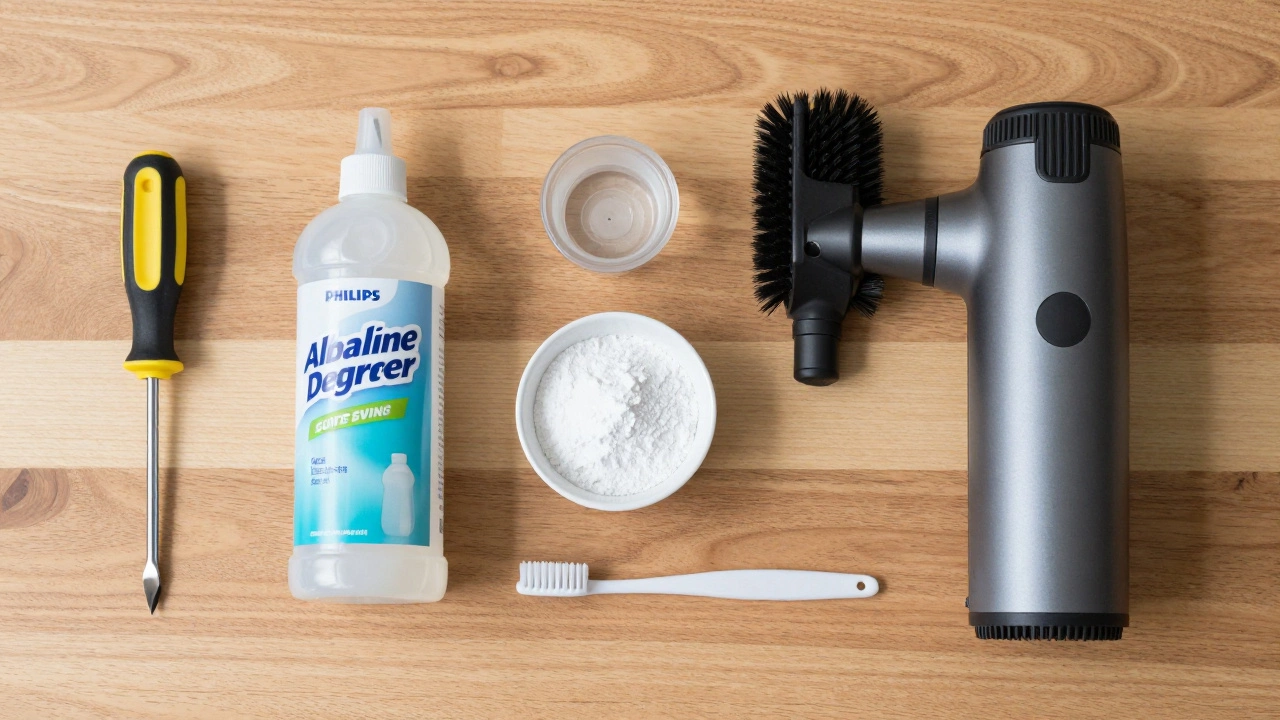
You don't need a professional workshop, but a few specific tools will make the job faster and safer. A standard Philips-head screwdriver is a must for removing the cover. For the grease, don't just use dish soap; a dedicated alkaline degreaser or a mix of baking soda and white vinegar works better on the polymerized oils found in kitchens.
I recommend using a handheld vacuum with a brush attachment. This allows you to suck out dust from the motor housing without pushing it deeper into the electronics. If you're dealing with a heavy-duty range hood, a soft-bristled brush (like an old toothbrush) is perfect for cleaning the narrow slats of the aluminum filters.
Step-by-Step Guide to Service an Extractor Fan
Safety first: always isolate the power at the wall switch or the circuit breaker. You're dealing with water and electricity; there is no room for shortcuts here.
- Remove the Outer Grill: Most fans have a plastic cover held in place by a spring clip or a couple of screws. Gently pull it down. If it feels stuck, don't yank it-grease can act like glue. Use a damp cloth to loosen the edges first.
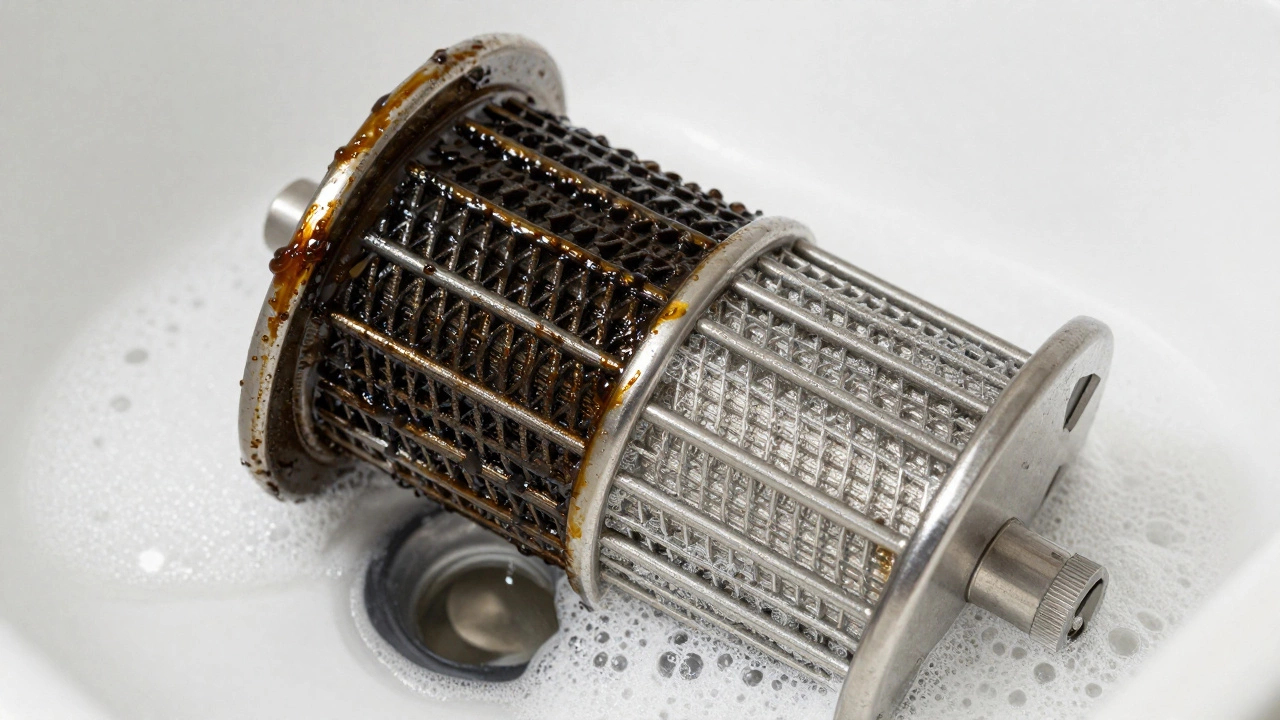
- Clean the Grease Filters: This is where the bulk of the work happens. Slide out the Baffle Filter (the stainless steel slats) or the mesh filter. Soak them in a sink of boiling water mixed with a strong degreaser for 20 minutes. Scrub them gently, rinse, and let them air dry completely.
- Vacuum the Motor and Housing: With the cover off, you'll see the Electric Motor. Use your vacuum to remove dust from the motor windings. Dust buildup acts as insulation, trapping heat and potentially burning out the motor.
- Wipe the Fan Blades: Use a degreasing wipe to clean the individual blades of the impeller. Even a small amount of grease buildup can unbalance the fan, leading to that annoying vibration and noise you hear during operation.
- Check the Venting Path: If your fan is vented, check the ducting. If you see a sag in the flexible pipe, air can pool there, reducing efficiency. Secure any loose clamps with a screwdriver to ensure a tight seal.
| Filter Type | Primary Use | Cleaning Method | Lifespan |
|---|---|---|---|
| Aluminum Mesh | Light cooking/Steam | Washable (Soap/Degreaser) | Permanent (if cleaned) |
| Stainless Baffle | Heavy frying/Searing | Washable/Dishwasher safe | Permanent |
| Activated Carbon | Odors (Recirculating) | Non-washable | 6-12 Months |
Diagnosing Common Performance Issues
If you've cleaned everything and the fan still feels weak, you might have a deeper issue. One common culprit is a failing Capacitor. The capacitor is the small component that gives the motor the initial kick to start spinning. If the fan hums but doesn't turn until you give it a manual push, the capacitor is likely dead.
Another issue is the "backdraft damper." This is a small flap of plastic or metal that prevents cold air from blowing back into your house when the fan is off. If this flap gets stuck closed due to grease, your fan will spin at full speed, but no air will actually move. Check the damper by gently pushing it with your finger to see if it swings freely.
When to Call a Professional
While cleaning is a DIY job, some things require a licensed technician. If you smell burning plastic or see sparks, stop immediately. This indicates a short circuit or a motor winding failure that cannot be cleaned away. Similarly, if the fan is making a high-pitched screeching sound, the bearings are likely shot. While you can spray lubricant on them, the only permanent fix is usually replacing the motor assembly.
Professional servicing often includes a "smoke test," where a technician uses a smoke generator to find leaks in the ductwork that you can't see from the inside. This is especially useful in larger homes where the duct runs through the attic or ceiling void.
How often should I service my extractor fan?
For a standard household, you should deep-clean the filters every 2 to 3 months. A full service, including vacuuming the motor and checking the ducts, should be done once a year. If you do a lot of frying or heavy cooking, move this to every 6 months to prevent grease buildup from becoming a fire hazard.
Can I put my extractor filters in the dishwasher?
Most stainless steel baffle filters are dishwasher safe. However, aluminum mesh filters can sometimes discolor or warp if the dishwasher temperature is too high or if the detergent is too caustic. It's safer to hand-wash aluminum filters in warm soapy water.
Why is my fan making a loud buzzing noise after cleaning?
This usually happens if the fan blade wasn't seated correctly back on the motor shaft or if a piece of debris is hitting the impeller. Turn off the power, remove the cover, and spin the fan manually to see if it hits anything. If it spins freely but still buzzes when powered, the motor bearings may be worn out.
My fan is spinning but not sucking air. Why?
This is often caused by a blocked external vent or a stuck backdraft damper. Check the outside wall of your house to ensure the vent isn't covered by debris. If the vent is clear, check the internal flap (damper) to make sure it opens fully when the fan is running.
Do I need to replace the motor every few years?
Not necessarily. Most extractor motors are designed to last a decade or more if they are kept clean. The main cause of motor failure is overheating due to dust and grease accumulation. Regular cleaning as described in this guide can significantly extend the life of your appliance.
Next Steps and Troubleshooting
If you've followed the cleaning steps and still aren't satisfied with the performance, try these quick checks based on your situation:
- If you have an old unit: Consider upgrading to a brushless DC motor fan. They are significantly quieter and use up to 70% less energy than traditional AC motors.
- If the air is still smelly: Check if your charcoal filter is saturated. Once these filters are full of odors, no amount of cleaning will help; they must be swapped for new ones.
- If you notice vibration: Ensure the mounting screws are tight. A loose bracket can cause the entire unit to rattle, making a perfectly healthy motor sound like it's failing.