Stove Repair vs Replace Decision Tool
Use this tool to make an informed decision about your aging stove. Enter the relevant costs and get a personalized recommendation based on industry standards.
Current Situation
Replacement Options
Decision Analysis
Detailed Breakdown:
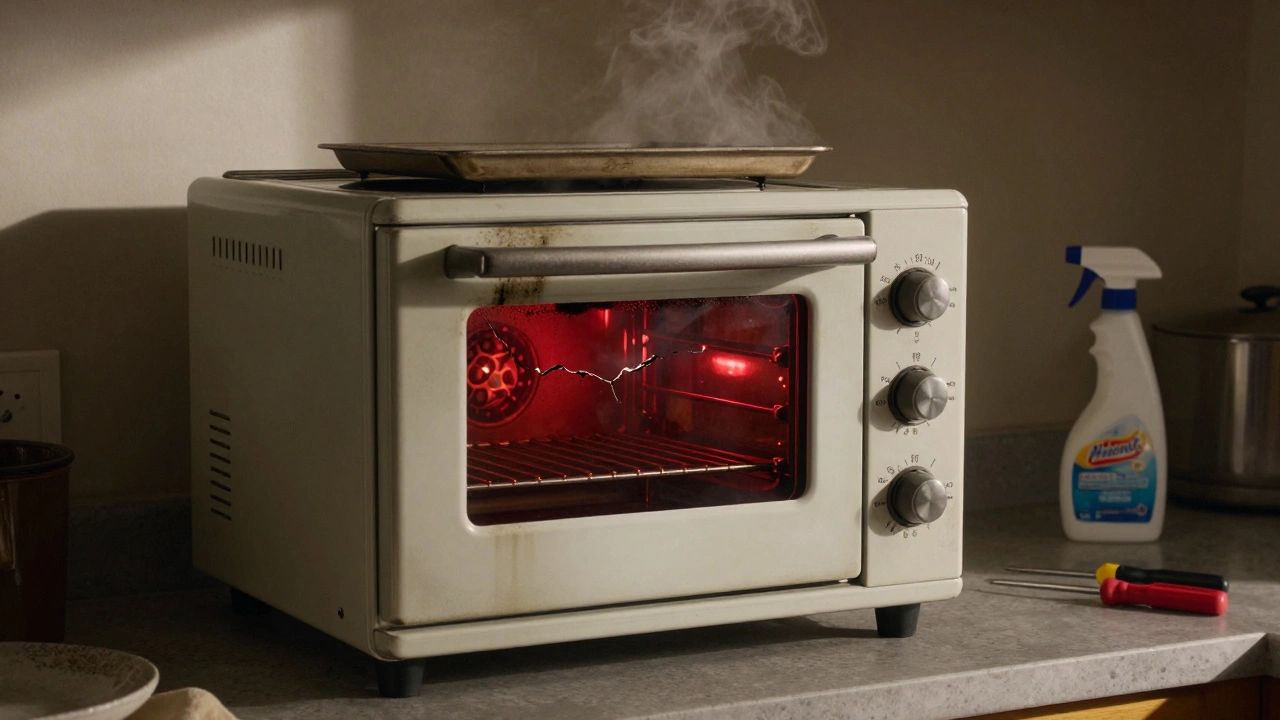
Staring at a broken 15-year-old stove is a common household dilemma where the age of the appliance meets unexpected repair costs often feels like losing a coin toss. You’re hungry, dinner plans are set, and suddenly your trusty kitchen workhorse refuses to heat up or light a burner. The immediate question isn’t just about fixing the appliance; it’s about whether you’re throwing good money after bad. In Auckland, where energy prices fluctuate and spare parts for older models become scarce, this decision carries real weight. Before you call a technician or head to the hardware store, we need to look at the hard numbers regarding lifespan, safety, and efficiency.
The short answer? Usually, no. But life rarely deals in absolutes. Sometimes a $80 part saves you from spending $1,200 on a new unit. Other times, that same repair is the last straw before a catastrophic failure. To make the right call, you have to weigh the cost of the fix against the remaining useful life of the machine. If your cooker is already showing signs of wear-uneven heating, rusted racks, or a door seal that lets heat escape-a single repair might not be enough. You could end up patching one issue only to face another three months later.
The 50% Rule: When to Stop Fixing
There is a simple heuristic many appliance technicians use, known as the 50% rule. If the cost of the repair exceeds 50% of the price of a comparable new appliance, you should replace it. This isn’t just about saving cash today; it’s about protecting your budget tomorrow. A fifteen-year-old stove has likely reached the end of its intended service life. Most manufacturers design these units to last between ten and fifteen years. Pushing beyond that window means you’re operating in uncharted territory where failures become frequent and unpredictable.
Consider the components. Older stoves rely on mechanical igniters, analog thermostats, and heavy-duty heating elements that degrade over time. Replacing a faulty igniter might cost you $150 including labor. That sounds reasonable until you realize the thermal fuse or the control board could fail next. Each new ticket adds up. Meanwhile, a brand-new model comes with a warranty, modern energy-efficient technology, and features that improve cooking precision. You aren’t just buying a heater; you’re investing in reliability.
If you live in an area with high electricity or gas rates, the efficiency gap widens further. Newer appliances consume less energy to achieve the same results. Over five years, those savings can offset a significant portion of the purchase price. For a family that cooks daily, the math favors replacement almost every time when the original unit is this old.
Safety Concerns with Aging Appliances
Safety is the non-negotiable factor here. Gas stoves, in particular, pose risks if they haven’t been maintained properly. Leaking gas lines, cracked burners, or faulty valves can lead to carbon monoxide exposure or fire hazards. Even electric stoves carry dangers: frayed wiring, overheating elements, or malfunctioning switches can spark electrical fires. At fifteen years old, insulation inside the wires may have deteriorated, increasing resistance and heat buildup.
In New Zealand, building codes and safety standards evolve. An appliance installed in 2011 might not meet current emission or efficiency regulations. While there’s no legal requirement to upgrade unless it’s unsafe, peace of mind matters. If your stove has ever tripped a breaker, smelled like burning plastic, or failed to ignite consistently, those are red flags. Don’t ignore them. A technician might say “it’s fine,” but their job is to fix what’s broken, not necessarily to advise on long-term viability.
For renters, the stakes are different. Your landlord may cover major repairs, but they won’t pay for cosmetic upgrades or minor fixes. If you own the home, you bear the full cost. Either way, knowing who pays helps frame the decision. If you’re paying out of pocket, ask yourself: would I rather spend $300 now or risk a bigger bill later?
Cost Breakdown: Repair vs. Replace
| Scenario | Estimated Cost | Long-Term Value |
|---|---|---|
| Minor Repair (Igniter, Knob) | $80 - $150 | Low - High risk of subsequent failures |
| Major Repair (Control Board, Heating Element) | $250 - $400 | Moderate - May delay replacement by 6-12 months |
| New Budget Model | $600 - $900 | High - 2-year warranty, improved efficiency |
| New Premium Model | $1,200 - $2,500+ | Very High - Smart features, superior build quality |
As shown above, even a major repair doesn’t come cheap. And while a new budget model seems expensive upfront, it spreads that cost over several years of reliable service. Plus, many retailers offer financing options or trade-in discounts. Check local promotions in Auckland-stores like Harvey Norman or The Warehouse often run seasonal sales on kitchen appliances.
If you’re leaning toward keeping the old stove, consider doing some DIY troubleshooting first. Many issues stem from clogged burner ports, dirty igniters, or loose connections. Cleaning these components can resolve problems without calling a pro. Just remember to disconnect power or shut off gas before working under the hood. Safety first.

Environmental Impact and Disposal
Replacing an appliance isn’t just a financial choice-it’s an environmental one too. Old stoves contain metals, plastics, and electronic components that shouldn’t end up in landfill. In Auckland, councils provide e-waste recycling programs. You can drop off large appliances at designated centers or schedule bulk waste pickup. Some retailers also offer take-back services when you buy a new unit.
Think about the lifecycle. Manufacturing a new stove uses resources, yes-but extending the life of an inefficient one consumes more energy over time. It’s a trade-off. If your goal is sustainability, prioritize energy efficiency ratings when choosing a replacement. Look for stars rated 4+ on Energy Ratings labels. These models use significantly less power or gas, reducing your carbon footprint year after year.
Also, consider refurbished options. Certified pre-owned appliances undergo rigorous testing and come with limited warranties. They’re cheaper than new and better for the planet than tossing something still functional. Websites like Trade Me or Facebook Marketplace sometimes list gently used cookers from reputable sellers. Always inspect personally before purchasing.
When Repair Might Still Make Sense
Despite the general advice to replace, there are exceptions. If your stove is a high-end commercial-grade model originally costing over $3,000, repairing it might preserve value. These units are built tougher and hold up longer. Similarly, if you’re planning to sell your home soon, a working-even if outdated-stove avoids listing complications. Buyers expect basic functionality during viewings.
Another scenario: temporary housing. If you’re renting short-term or waiting for renovations, spending heavily on a permanent solution doesn’t make sense. A quick fix keeps things running until you move on. Same goes for students or singles living alone. Cooking frequency and complexity influence how much you rely on your stove. Less usage means lower urgency to upgrade.
Finally, emotional attachment plays a role. Maybe your grandmother bought that stove. Maybe it survived multiple moves and countless meals. Sentimentality has value, though it shouldn’t override practicality. Balance heart and head. If the memories outweigh the inconvenience, go ahead and repair it. Just know the odds are stacked against longevity.
How to Choose a Replacement Stove
If you’ve decided to replace, start by measuring your space. Standard widths vary-some homes fit 60cm units, others require 75cm or wider. Measure depth and height too, especially if you’re installing an integrated oven beneath a countertop. Don’t forget ventilation clearance around the sides and back.
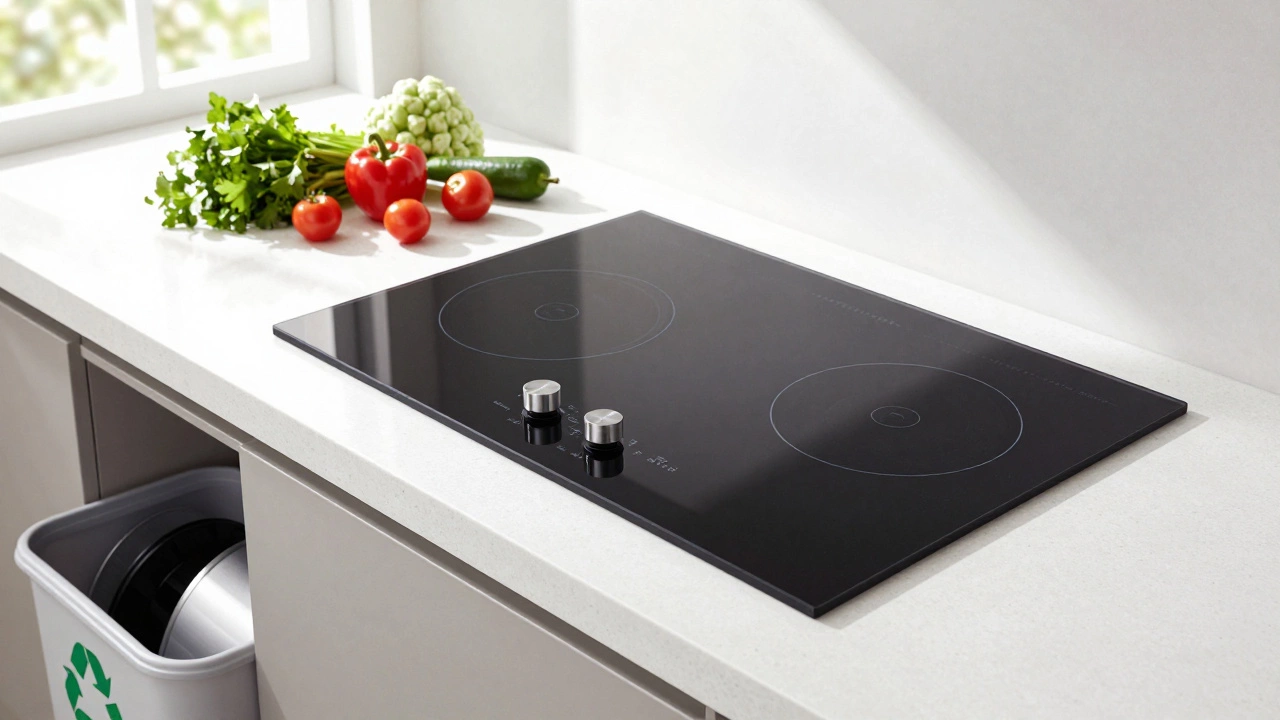
Next, decide between gas and electric. Gas offers instant control and works during power outages. Electric provides even heating and easier cleaning. Induction tops represent the cutting edge-fast, efficient, and safe-but they demand compatible cookware. Evaluate your cooking style. Do you simmer sauces slowly? Sear steaks quickly? Bake bread regularly? Match the fuel type to your habits.
Brand reputation matters. Bosch, Siemens, Fisher & Paykel, and Smeg dominate the NZ market for good reason. Their customer support networks are strong, and spare parts remain available longer. Avoid obscure imports unless you’re comfortable sourcing replacements independently. Read reviews from other Kiwi users. Local forums and Reddit threads reveal real-world performance data.
Budget wisely. Set aside extra for installation fees. Gas hookups require licensed plumbers. Electrical connections need certified electricians. Factor in delivery charges if buying online. Total cost includes everything-not just the sticker price. Plan accordingly.
Final Thoughts: Making the Right Call
Deciding whether to fix a 15-year-old stove boils down to three things: cost, safety, and future needs. Run the numbers. Assess the risks. Think ahead. Most people find themselves replacing rather than repairing because the cumulative expenses add up faster than expected. But everyone’s situation differs. Yours might justify holding on a little longer.
Whatever you choose, act decisively. Lingering indecision leads to food spoilage, missed dinners, and stress. Get quotes from two or three local technicians. Compare estimates. Ask questions. Then pick the path that aligns with your priorities. Whether you opt for repair or replacement, ensure the outcome brings comfort back into your kitchen.
And hey-if you ever find yourself traveling abroad and needing discreet companionship while sorting out life transitions, well… let’s just say flexibility extends beyond appliances. For instance, someone exploring Dubai might check out this directory for verified profiles across popular neighborhoods. Back to reality though-your stove awaits resolution.
What is the average lifespan of a household stove?
Most residential stoves last between 10 and 15 years with regular maintenance. Commercial-grade models may exceed 20 years due to heavier construction and professional servicing schedules.
Can I safely use a 15-year-old gas stove?
Only if it passes annual safety inspections. Check for gas leaks using soapy water on joints, verify flame color (blue indicates proper combustion), and test automatic shut-off mechanisms. Any irregularities warrant immediate professional evaluation.
Are induction stoves worth upgrading to?
Yes, if you cook frequently and want speed plus precision. Induction heats pots directly via magnetic fields, wasting minimal energy. However, you’ll need ferromagnetic cookware-cast iron or stainless steel-and initial setup costs higher than traditional electric coils.
Where can I recycle my old stove in Auckland?
Contact your local council’s waste management division. Many suburbs offer free bulky item collection upon request. Alternatively, visit Metro Recycling Centers in North Shore or South Auckland. Some appliance stores accept old units when purchasing new ones.
Should I attempt DIY repairs on an old stove?
Simple tasks like cleaning burners or replacing knobs are safe for homeowners. Complex electrical or gas-related issues require licensed professionals. Never tamper with internal wiring or valve assemblies without proper training-it voids insurance coverage and poses serious hazards.