Compressor Failure: What It Is, Why It Happens, and What to Do Next
When your compressor failure, the breakdown of the heart of your cooling system that circulates refrigerant to keep your fridge or heat pump running. Also known as refrigerant system collapse, it’s not just a noisy inconvenience—it’s often the end of the line for your appliance. If your fridge won’t stay cold or your heat pump blows air that’s barely warm, the compressor might be the culprit. This isn’t a part you can just twist off and swap. It’s the engine inside your appliance, and when it goes, everything else starts to suffer.
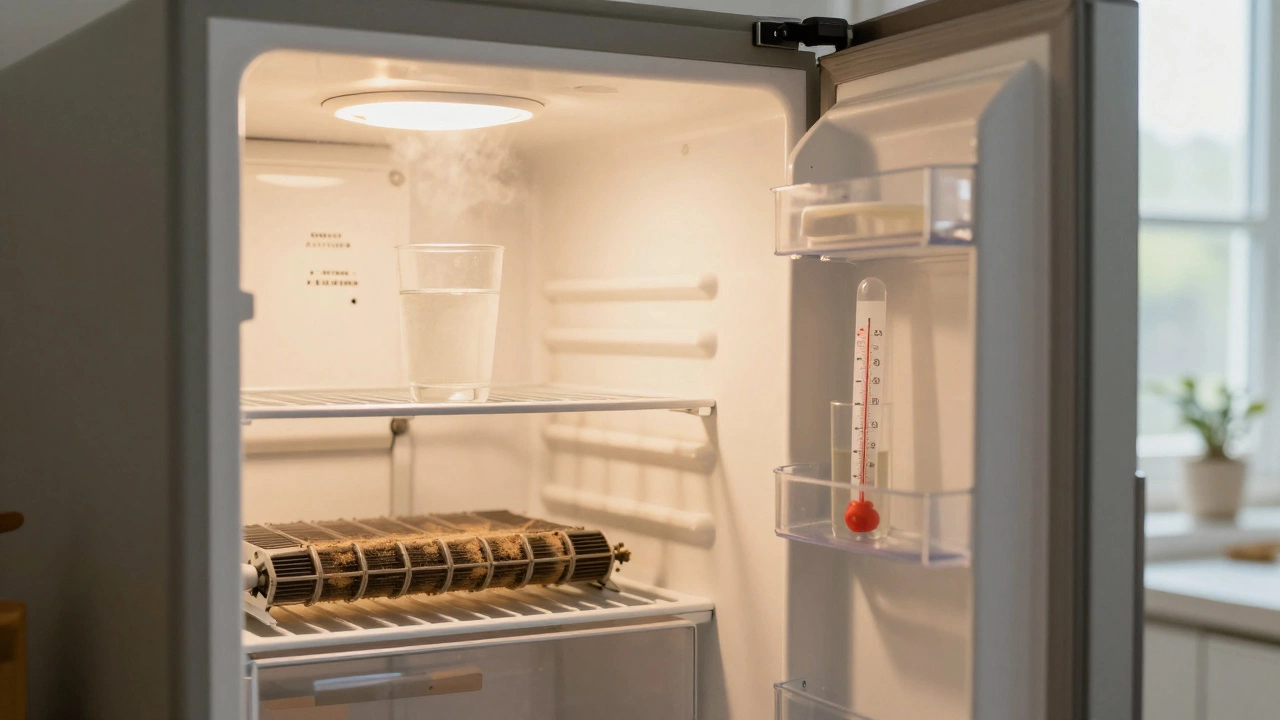
Compressor failure doesn’t happen out of nowhere. It’s usually the result of slow, silent damage. Over time, dust clogs the coils, refrigerant leaks out, or the motor overheats from running nonstop. In older units, the internal valves wear down, or the windings in the motor burn out. You might hear a loud click when it tries to start, then silence. Or worse—no sound at all. Some people think a compressor can be easily fixed, but in most cases, it’s a sign the whole system is failing. Replacing just the compressor can cost between $1,200 and $3,500, and if your unit is over 8 years old, you’re often better off replacing the entire appliance. That’s why so many posts on this site focus on heat pump compressor, the core component in heating and cooling systems that moves refrigerant to transfer heat and refrigerator compressor, the sealed motor-pump unit that keeps food cold by circulating refrigerant in household fridges. These aren’t just parts—they’re the reason your food stays fresh and your home stays comfortable.
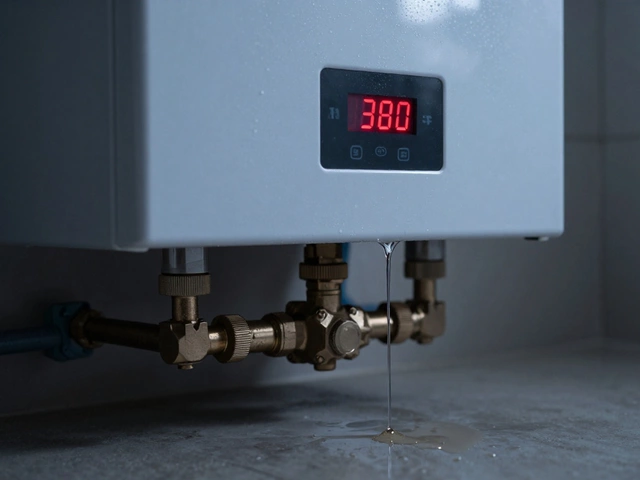
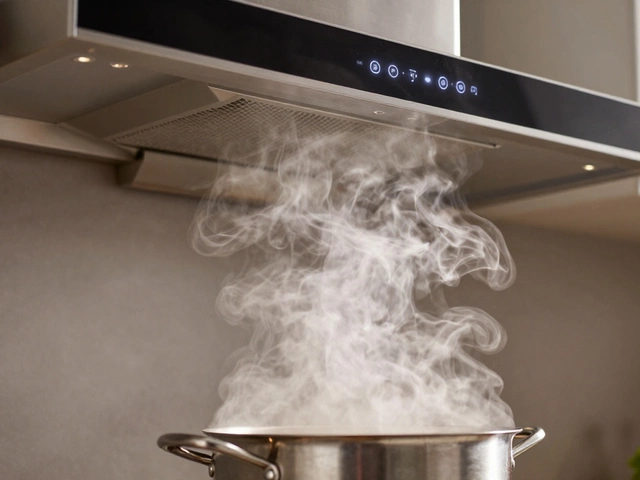
What makes compressor failure so tricky is that it often looks like something else. A dirty filter, low refrigerant, or bad thermostat can all mimic the same symptoms. That’s why so many people waste time and money chasing the wrong fix. The real test? If your appliance runs but doesn’t cool, and you’ve already checked the basics, the compressor is likely the issue. And once it’s gone, there’s no reliable way to bring it back to life. You can’t just reset it like a water heater. You can’t clean it like an extractor fan. It’s done.
That’s why the posts here focus on real-world fixes, costs, and decisions. You’ll find guides on how to tell if your heat pump compressor is failing, what it costs to replace, and when it’s smarter to walk away. You’ll see comparisons between repairing and replacing, and how to avoid getting overcharged. No theory. No fluff. Just what actually happens when the compressor dies—and what you should do next.
Your fridge isn't cooling? Here are the real signs your compressor has failed-no guesswork. Learn how to tell if it's dead, why it happens, and whether it's worth fixing.
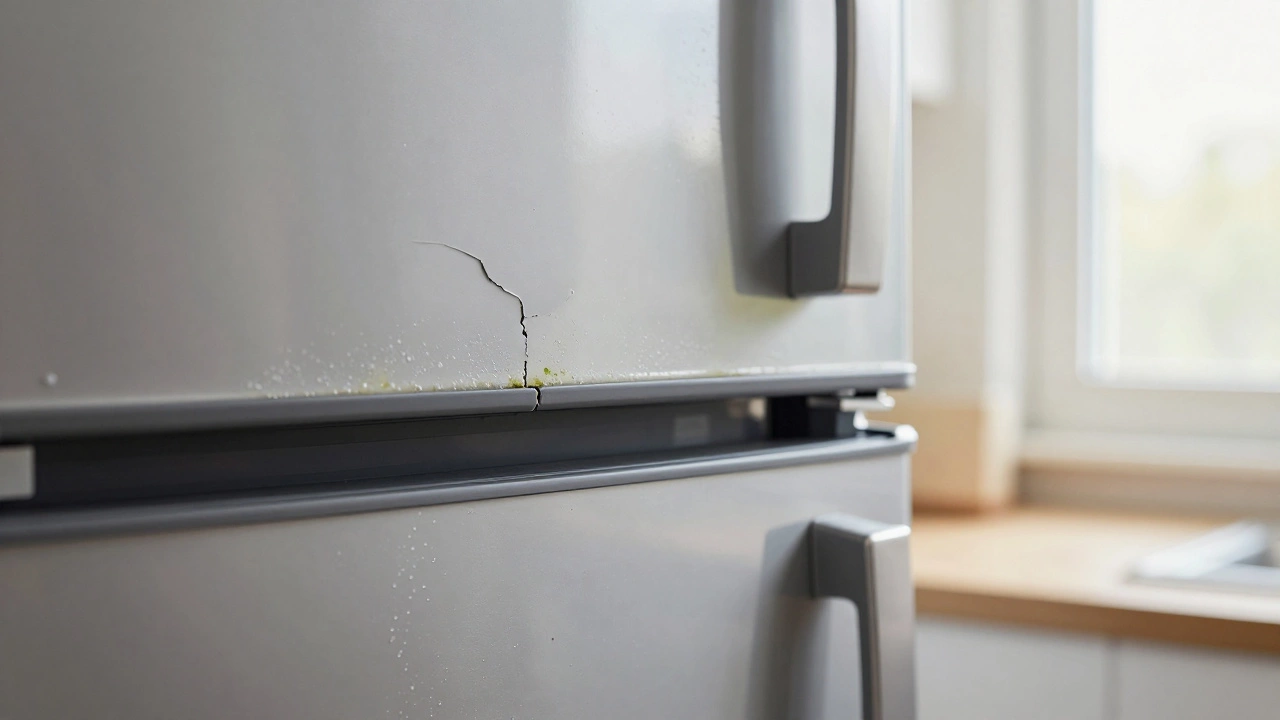
The most common refrigerator repair is replacing the door seal. Learn how to spot a failing gasket, test it yourself, and fix it for under $100. Avoid costly compressor failures by addressing this simple issue early.