Refrigerator Door Seal Diagnostic Tool
Check Your Door Seal
Answer these questions to see if your refrigerator door seal is failing:
Result
Your refrigerator's door seal condition will be displayed here.
Potential Savings: Fixing your seal could save $100-$150 per year on electricity bills.
Next Steps
If your fridge is running but not cooling, or it’s making weird noises and leaking water, you’re not alone. In Auckland, where summer temps regularly hit 28°C and fridges are working overtime, one repair comes up again and again: door seal replacement. It’s the most common fix technicians see - not because it’s complicated, but because it’s easily ignored until it’s too late.
Why the Door Seal Fails First
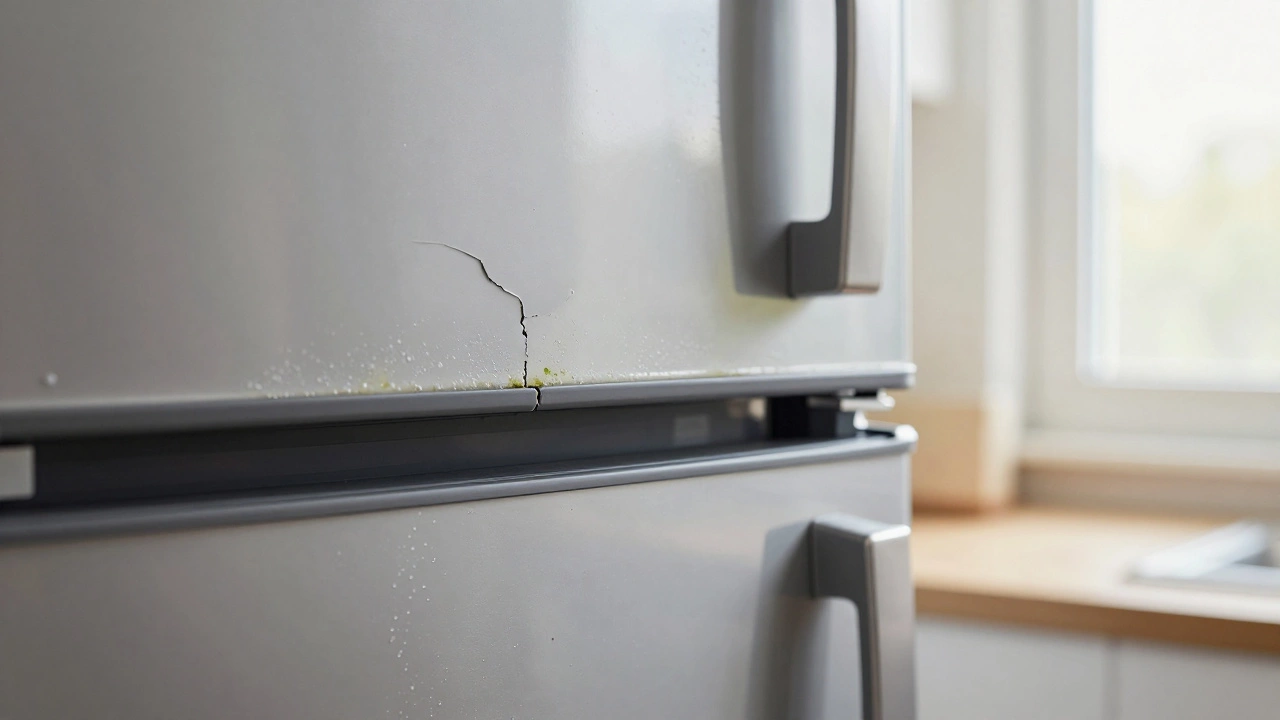
Your fridge door seal, also called the gasket, is made of flexible rubber with a magnetic strip inside. It’s designed to keep cold air in and warm air out. Sounds simple, right? But it’s also the most exposed part of the fridge. Every time you open the door, you’re pulling it away from the frame. Over time, that constant flexing, plus heat from the kitchen, spills from pots, and accidental bumps, wears it down.You’ll know it’s failing when you see:
- Condensation forming along the door edge
- Mold growing in the creases of the seal
- The door feels loose or doesn’t snap shut cleanly
- Ice buildup inside the fridge or freezer compartment
- Your electricity bill creeps up without reason
A bad seal doesn’t just make your fridge work harder - it can kill the compressor over time. In New Zealand homes, where fridges often run 12-16 hours a day, a worn gasket can increase energy use by up to 30%. That’s $100-$150 extra a year on your power bill.
How to Test Your Door Seal
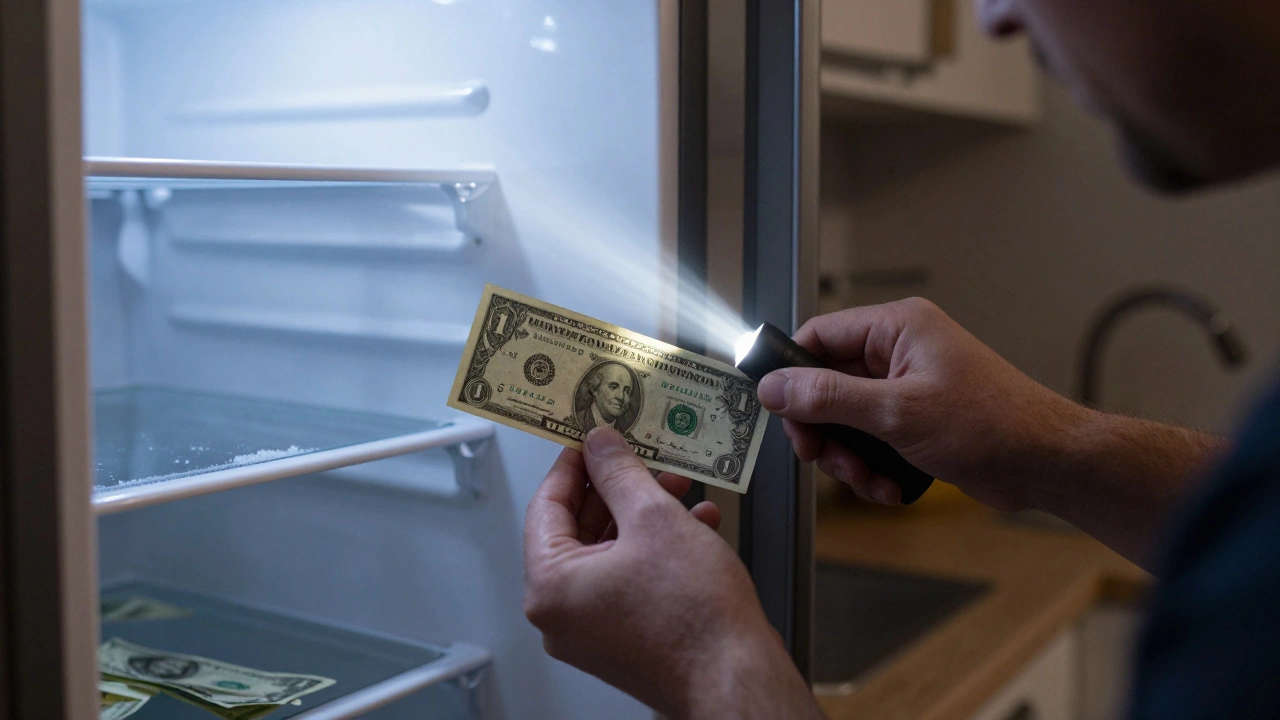
You don’t need tools to check this. Just grab a dollar bill (or any thin piece of paper) and close the door on it halfway down the seal. Try to pull it out. If it slides out easily, the seal is weak. Do this at four points: top, bottom, left, and right. If any spot lets the paper slip out, that’s your problem.Another quick trick: turn off the lights and shine a flashlight inside the fridge. Close the door. If you see light leaking through the seal, air is getting in. That’s your cue to replace it.
Replacing the Seal Yourself
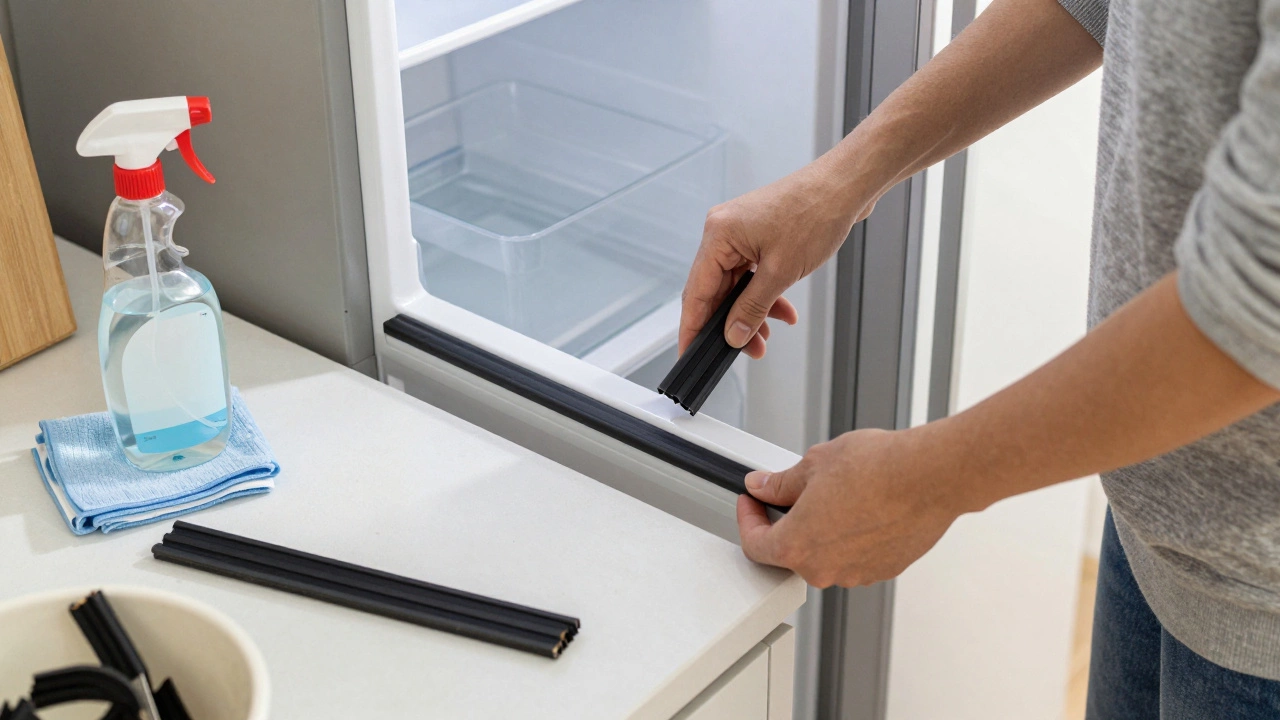
Replacing a door seal is one of the few fridge repairs most homeowners can do safely in under an hour. Here’s how:- Unplug the fridge. Safety first.
- Take a photo of the old seal’s position - it helps with alignment.
- Use a flathead screwdriver or plastic pry tool to gently lift the old seal from the groove. Don’t force it.
- Wipe the groove clean with vinegar and a cloth. Dirt and mold prevent new seals from seating properly.
- Soak the new seal in warm water for 10 minutes. This makes it more flexible and easier to install.
- Start at one corner and press the new seal into the groove, working your way around. Use your thumbs to press it in firmly.
- Let it sit for 24 hours before plugging the fridge back in. This lets the rubber settle into shape.
You can buy replacement seals online for $30-$70 depending on your model. Brands like Samsung, LG, and Fisher & Paykel have specific part numbers. Don’t guess - check your fridge’s model number (usually inside the door frame or on the back wall) and search for the exact seal.
What Comes After the Door Seal?
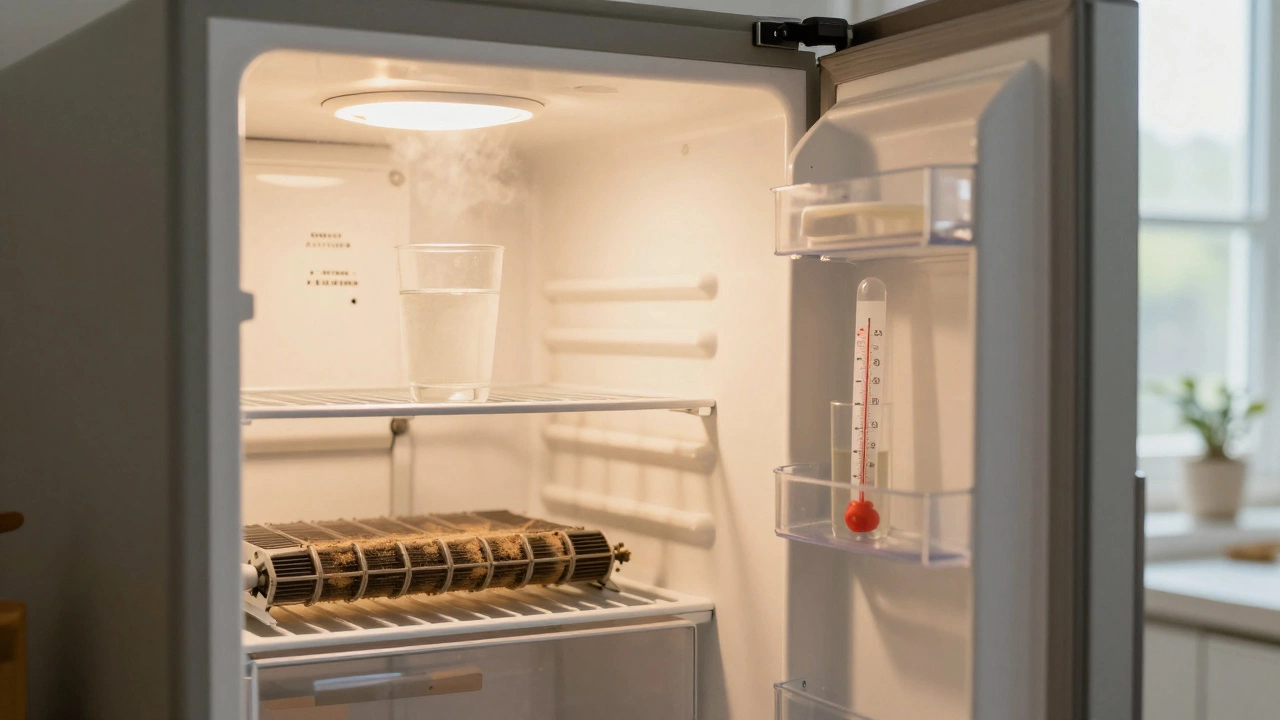
If the seal is fine but your fridge still isn’t cooling, you’re probably dealing with one of these next most common issues:- Evaporator fan failure - This fan circulates cold air from the freezer into the fridge. If it stops, the fridge side gets warm while the freezer stays cold. You’ll hear silence where there should be a soft hum.
- Clogged condenser coils - Dust and pet hair build up on the coils at the back or bottom of the fridge. Clean them with a brush or vacuum every 6 months. A dirty coil forces the compressor to overwork.
- Thermostat malfunction - If the fridge runs constantly but doesn’t get cold, the thermostat might be stuck. It’s a cheap part ($20-$40) but harder to test without a multimeter.
- Compressor failure - This is the big one. If the compressor dies, the fridge won’t cool at all. It’s expensive to replace ($500-$900) and often not worth it on older units.
Here’s a quick rule: if your fridge is over 10 years old and the compressor is failing, it’s usually cheaper to replace the whole unit. Modern fridges use 40% less energy than models from 2010. That pays for itself in 3-4 years.
When to Call a Pro
You can handle the seal yourself. But call a technician if:- You hear loud buzzing, grinding, or clicking from the back
- Water is pooling under the fridge (could be a defrost drain blockage)
- Ice is building up in the freezer but the fridge is warm
- The fridge turns on and off every 10 minutes (short cycling)
These point to electrical, refrigerant, or mechanical problems that need tools, training, and certification. In New Zealand, technicians must hold a Refrigerant Handling Licence. Always ask to see it.
Preventing Future Repairs
The best repair is the one you avoid. Here’s what actually works:- Wipe the door seal with a damp cloth and vinegar every month. This stops mold and keeps the rubber flexible.
- Keep the fridge 2/3 full. Empty fridges lose cold faster when opened. A few bottles of water help retain temperature.
- Don’t shove hot food in. Let it cool first. Steam creates extra moisture that freezes and strains the system.
- Check the level. A fridge that’s tilted forward leaks cold air. Use a spirit level - adjust the front feet if needed.
- Clear the back. Leave 5-10 cm space around the coils. No curtains, cabinets, or laundry baskets blocking airflow.
These habits extend your fridge’s life by 5-8 years. That’s not just saving money - it’s reducing waste. In Auckland, landfills are filling up fast. Keeping appliances alive longer is a quiet kind of sustainability.
What Not to Do
Avoid these common mistakes:- Don’t use silicone spray on the seal. It attracts dust and makes it sticky.
- Don’t force the door shut. If it won’t close, something’s wrong inside - maybe a shelf is misaligned.
- Don’t ignore frost buildup in the freezer. More than 6mm means your defrost system is failing.
- Don’t try to recharge refrigerant yourself. It’s illegal without a license and dangerous.
Why is my fridge running all the time?
If your fridge runs non-stop, the most likely cause is a bad door seal letting warm air in. Other causes include dirty condenser coils, a faulty thermostat, or the fridge being in a hot spot like next to the oven. Check the seal first - it’s the easiest fix.
How much does it cost to replace a fridge door seal?
A replacement seal costs $30-$70 depending on the brand and model. Professional installation adds $80-$120. Most people save money by doing it themselves - it takes less than an hour with basic tools.
Can a bad door seal cause the freezer to frost up?
Yes. When warm, moist air leaks into the freezer, it condenses and freezes on the walls and coils. This ice buildup blocks airflow, making the fridge work harder and eventually fail to cool properly. Replacing the seal often fixes this.
Is it worth repairing a 12-year-old fridge?
Generally, no. Fridges older than 10 years use twice as much energy as new models. If the compressor or control board is failing, repair costs often exceed 50% of a new unit’s price. A modern Energy Star fridge pays for itself in power savings within 3-4 years.
What should I do if my fridge is leaking water?
First, check the defrost drain tube. It’s usually at the back of the freezer. Ice or food debris can clog it. Use warm water and a pipe cleaner to clear it. If the leak is under the fridge and the drain is clear, it could be a cracked water line or condensation from a failing seal.