Water Heater Reset Troubleshooter
Diagnose Your Water Heater Issue
Answer these questions to identify why your reset button keeps tripping. This tool uses information from the article to provide specific solutions.
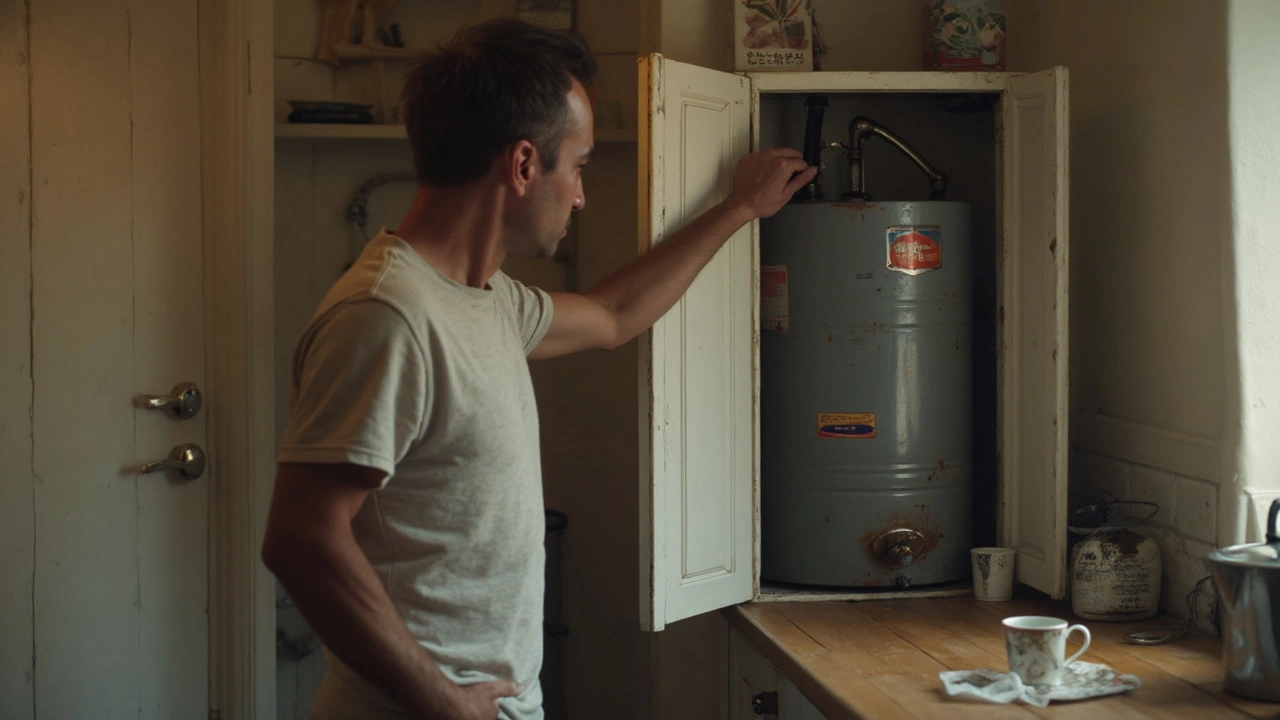
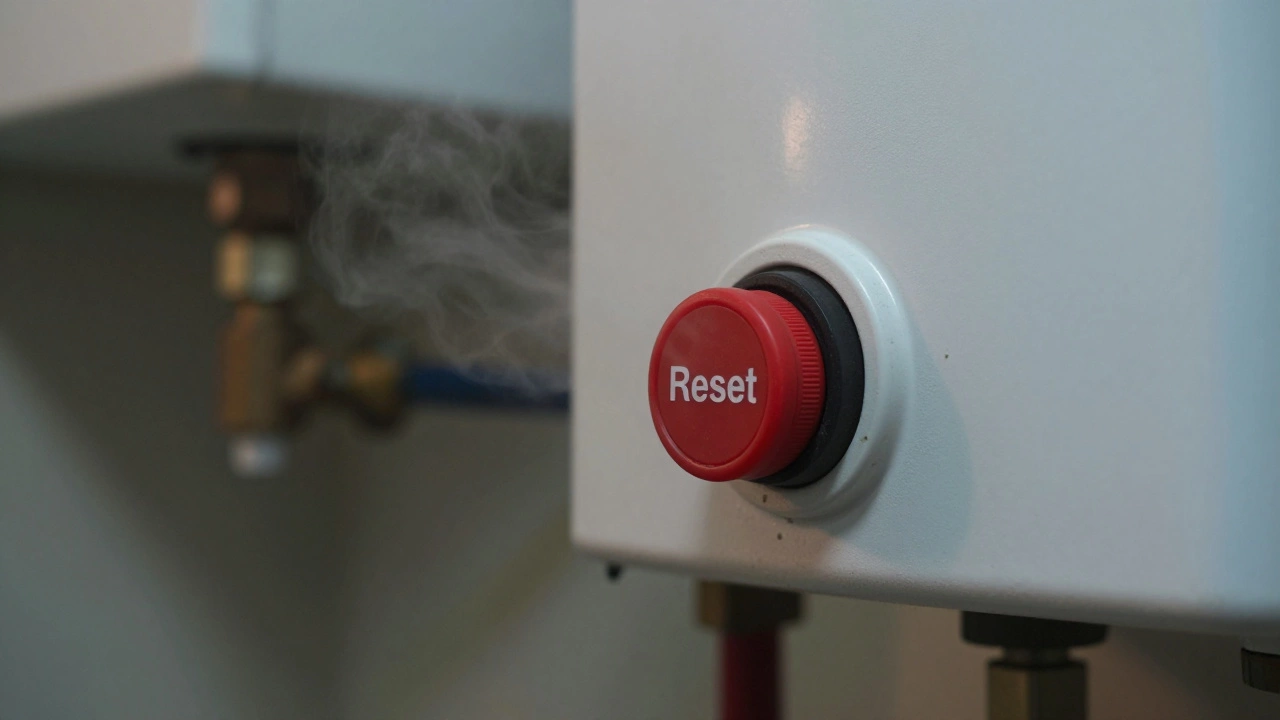
When your electric water heater stops producing hot water, the first thing most people check is that little red reset button. It’s usually hidden behind a panel on the side of the tank, near the top. You press it, hear a click, and wait… but how long should you actually hold it down? The answer is simple: you don’t need to hold it at all.
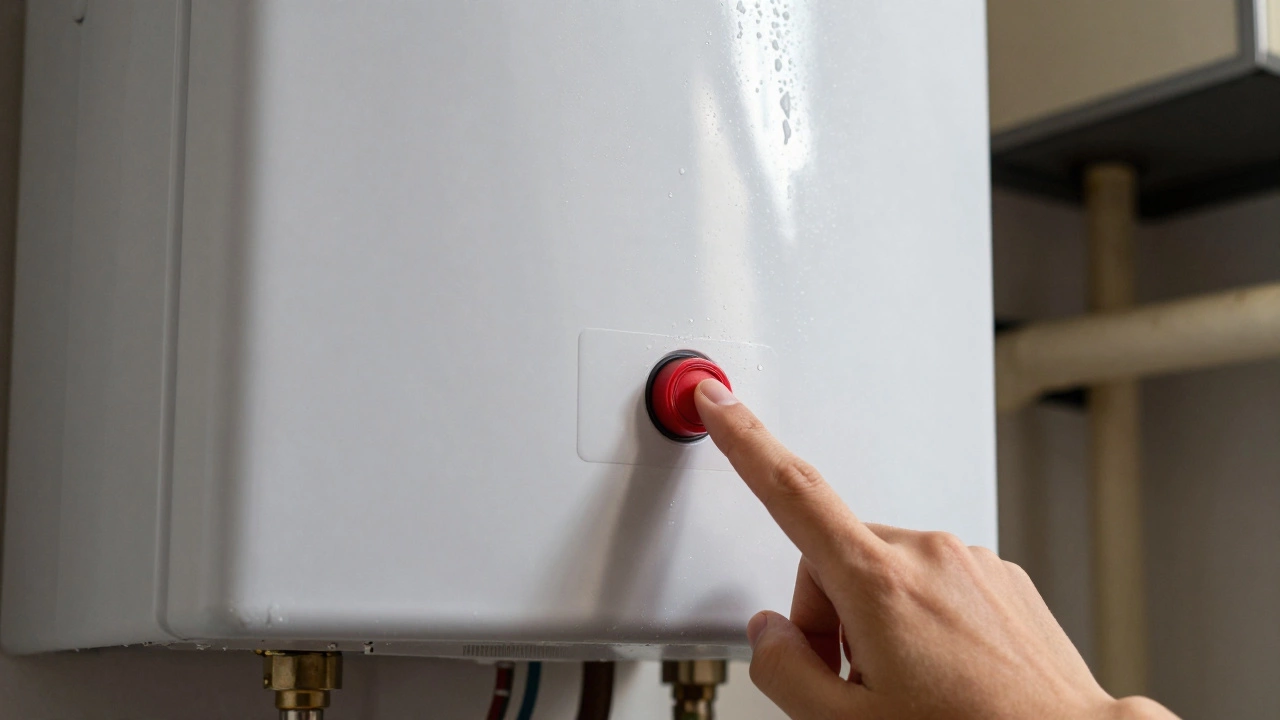
You Only Need to Press It - Not Hold It
The reset button on an electric water heater isn’t like a power switch. It’s a safety device called a high-limit switch. Its job is to cut power if the water gets too hot - usually because of a faulty thermostat or heating element. When it trips, it stays off until you manually reset it. All you need to do is press it once. That’s it. No holding. No counting seconds. No special technique.
Think of it like a circuit breaker in your home’s fuse box. You don’t hold it for five seconds before flipping it back on. You just push it until it clicks. Same here. Pressing the reset button reconnects the electrical circuit. If the underlying problem is fixed, the heater will start working again. If not, it’ll trip again - and that’s your clue to dig deeper.
Why Does the Reset Button Trip?
Resetting the button gives you temporary relief, but it doesn’t fix the root issue. The most common reasons your water heater keeps tripping the reset button are:
- Bad upper thermostat - This is the #1 cause. If it’s stuck in "on" mode, it keeps heating the water past 180°F (82°C), triggering the safety switch.
- Faulty heating element - A shorted or grounded element can send electricity where it shouldn’t, overheating the tank.
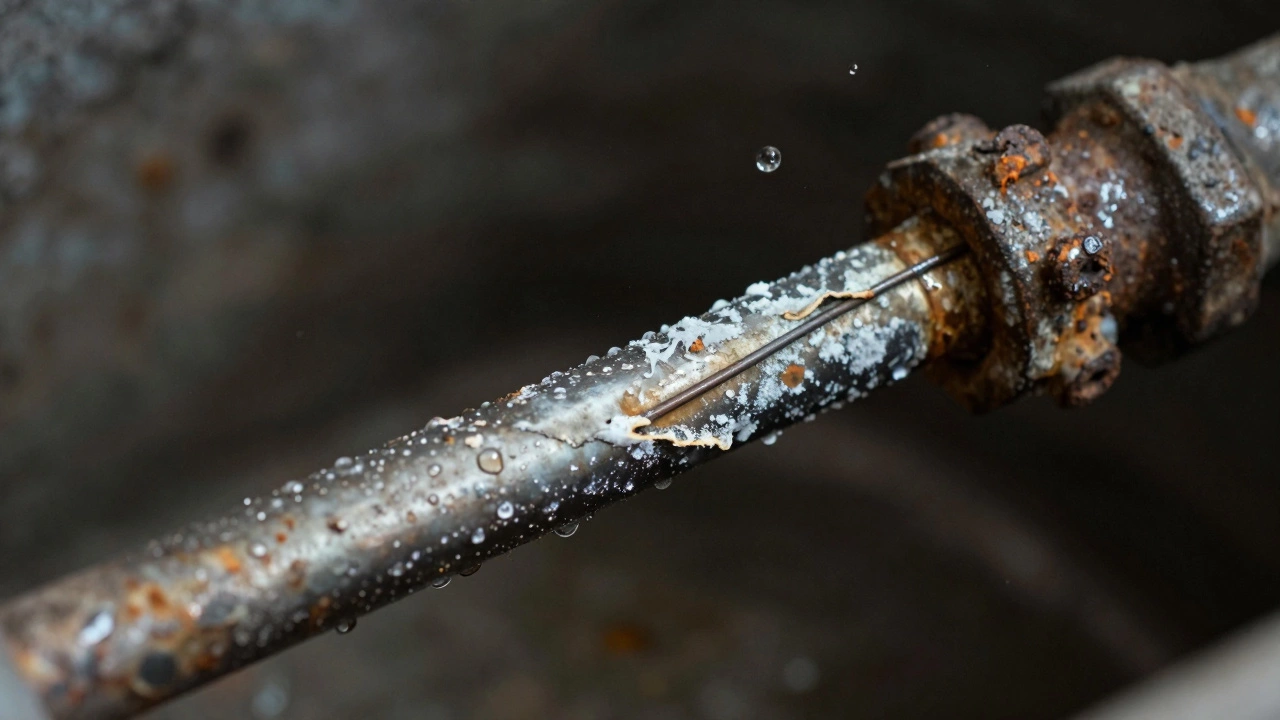
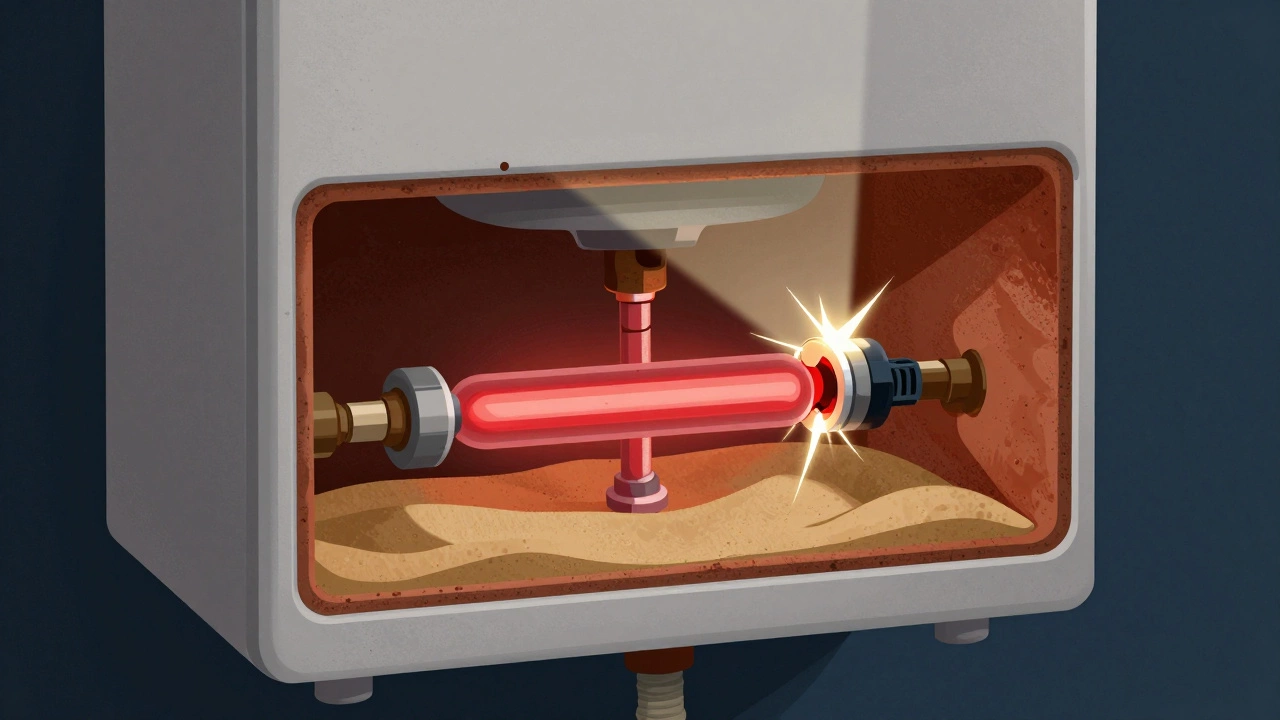
- Mineral buildup - Heavy sediment at the bottom of the tank acts like insulation. The element keeps running to heat water, but the heat doesn’t transfer properly, so the upper part overheats.
- High water pressure - If your home’s water pressure is above 80 psi, it can stress the system and cause erratic temperature swings.
- Old or worn-out reset switch - Even if everything else works, the button itself can fail after 10-15 years.
In Auckland, where hard water is common, mineral buildup is especially frequent. If you haven’t flushed your tank in over a year, that’s probably the culprit. Sediment builds up like sand in a coffee filter, trapping heat around the element until the safety switch kicks in.
What to Do After Pressing the Reset Button
After you press the button, wait 10-15 minutes. Don’t rush to test the water. Electric heaters take time to reheat a full tank. If hot water returns within 30 minutes, you got lucky - the reset worked. But if the water stays cold or the button trips again within a few hours, you’ve got a real problem.
Here’s what to do next:
- Turn off power - Flip the circuit breaker for the water heater. Safety first.
- Flush the tank - Attach a hose to the drain valve at the bottom and run water into a bucket or drain until it runs clear. This removes sediment. Do this every 6-12 months if you have hard water.
- Check the thermostat settings - They should be set between 120°F and 130°F (49°C-54°C). Anything higher increases risk of overheating and scalding.
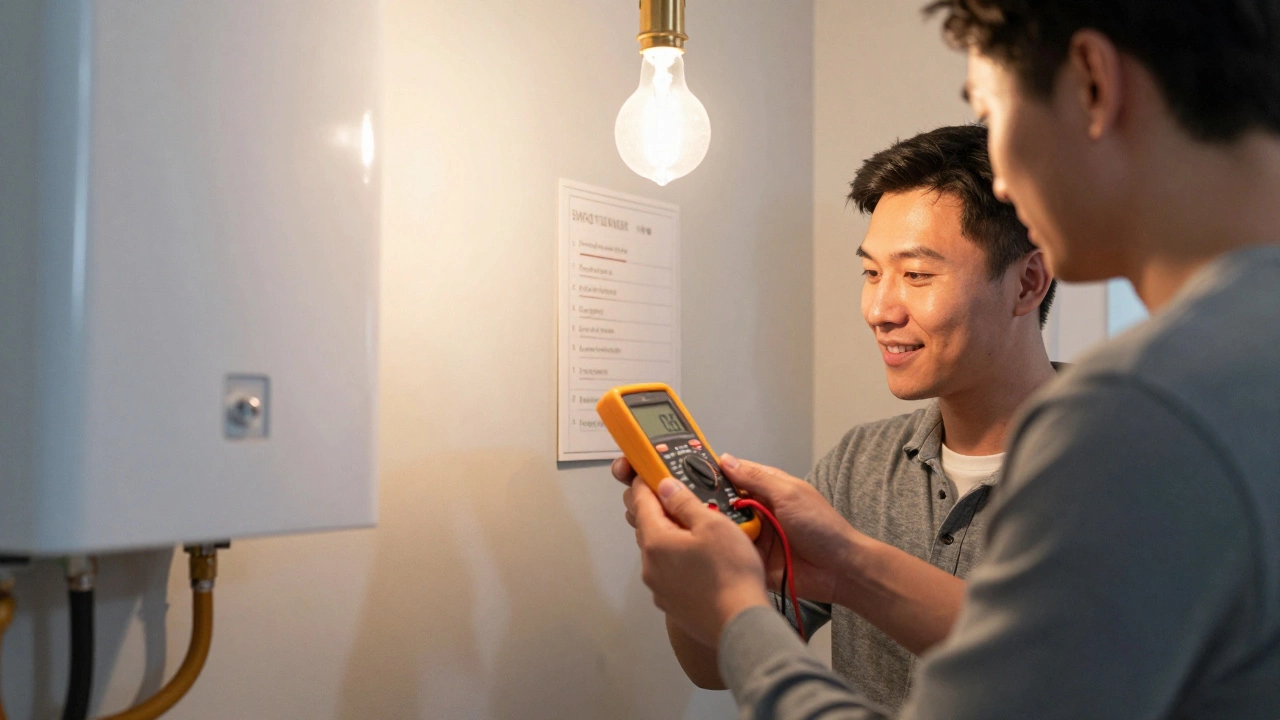
- Test the heating elements - You’ll need a multimeter. If either element reads open (infinite resistance) or shorted (near zero), it needs replacing.
- Replace the high-limit switch - If the reset button keeps tripping even after flushing and replacing elements, the switch itself is likely faulty. It’s a cheap part ($15-$30) and easy to swap.
When to Call a Professional
You don’t need to be an electrician to reset the button. But if you’re uncomfortable working with electricity, or if the problem keeps coming back after you’ve flushed the tank and replaced parts, call a licensed plumber. In New Zealand, it’s illegal for unlicensed people to work on hardwired appliances like water heaters. Even if you’re handy, getting it wrong can lead to electrocution, leaks, or fire.
Signs you need a pro:
- The reset button trips repeatedly within 24 hours
- You smell burning plastic or see discoloration around the panel
- Water is leaking from the tank or connections
- Your water heater is over 10 years old
Most plumbers in Auckland will diagnose the issue for under $80 and give you a quote before doing any work. Replacing both elements and the thermostat typically costs between $300-$500, including labor. That’s still cheaper than replacing the whole unit.
Prevent Future Trips
The best way to avoid reset button issues is routine maintenance:
- Flush the tank every 6-12 months
- Set the thermostat to 125°F (52°C)
- Install a water pressure regulator if your home pressure exceeds 80 psi
- Replace anode rods every 3-5 years (they protect the tank from rust)
- Consider upgrading to a tankless heater if you’re due for a replacement - they’re more efficient and don’t have reset buttons at all
Many Auckland homeowners don’t realize their water heater is silently working harder than it should. A buildup of just 1 inch of sediment can increase energy use by 30%. That’s $200+ extra per year on your bill - not to mention the risk of sudden failure.
FAQ
Do I need to turn off the power before pressing the reset button?
No, you don’t need to turn off the power to press the reset button. It’s designed to be reset while the unit is still powered. But if you’re going to do any further checks - like testing elements or flushing the tank - always turn off the circuit breaker first. Safety matters.
Why does my water heater keep tripping the reset button after I fix it?
If the reset button keeps tripping after you’ve replaced parts or flushed the tank, there’s likely another issue. The thermostat might still be faulty, or one of the heating elements is shorted. In rare cases, the wiring is damaged or the tank has a ground fault. A professional with a multimeter can test each component to find the real cause.
Can I bypass the reset button to make the heater work again?
Never bypass the reset button. It’s a critical safety feature. Bypassing it can cause the water to overheat, leading to scalding, tank rupture, or even explosion. Some people tape the button down or wedge it with a screwdriver - that’s dangerous and illegal in New Zealand. If the button keeps tripping, fix the root cause, not the symptom.
Is it normal for the reset button to trip once in a while?
No, it’s not normal. A single trip might happen if the water heater was running nonstop during a cold snap or if someone set the temperature too high. But if it trips more than once a year, there’s a problem. Treat it like a warning light on your car - ignoring it will lead to bigger repairs.
How long does it take for hot water to return after resetting the button?
It depends on the size of your tank and how cold the water is. A standard 50-gallon electric heater takes about 45-60 minutes to fully reheat. You should start seeing warm water within 20-30 minutes. If there’s no change after an hour, the heater isn’t working - and the reset button didn’t fix the underlying issue.