Faulty Oven Elements: Signs, Fixes, and When to Replace
When your oven won’t heat up or takes forever to cook, the problem is often a faulty oven element, the heating coil inside your oven that turns electricity into heat. Also known as an oven heating element, it’s one of the most common parts to wear out in electric ovens. Unlike fancy control boards or thermostats, this part is simple—but when it breaks, your oven becomes useless.
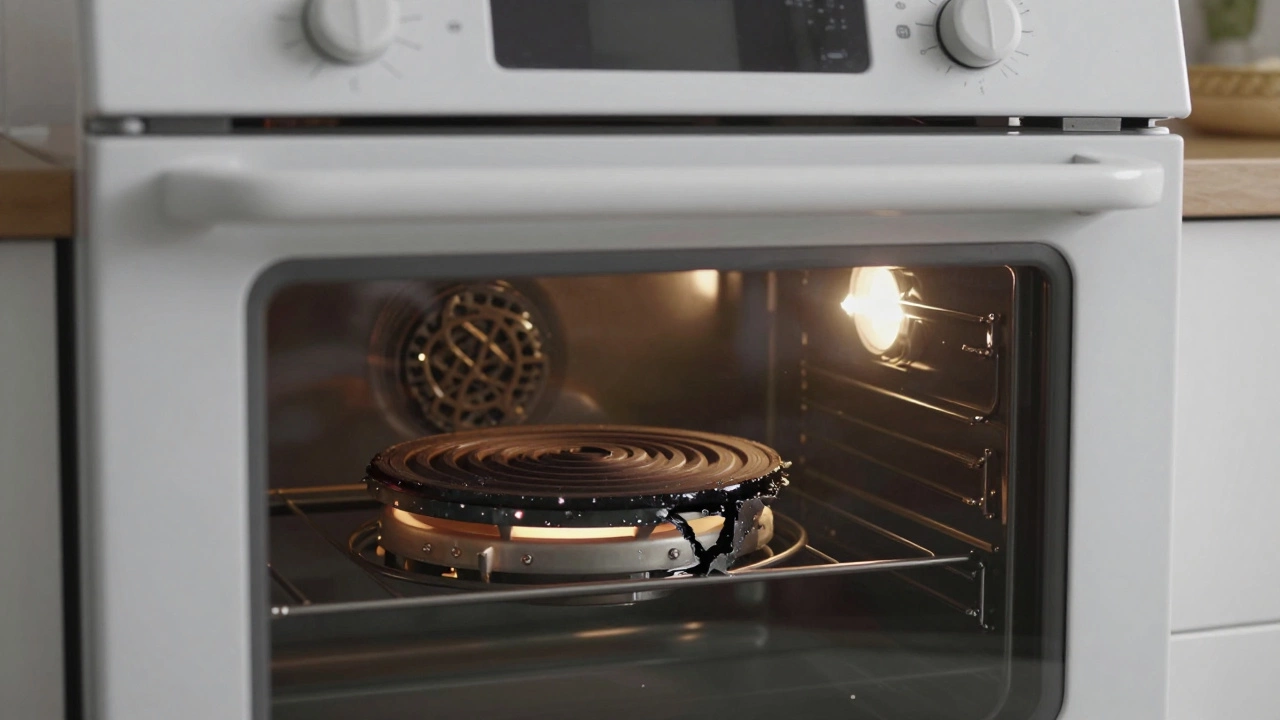
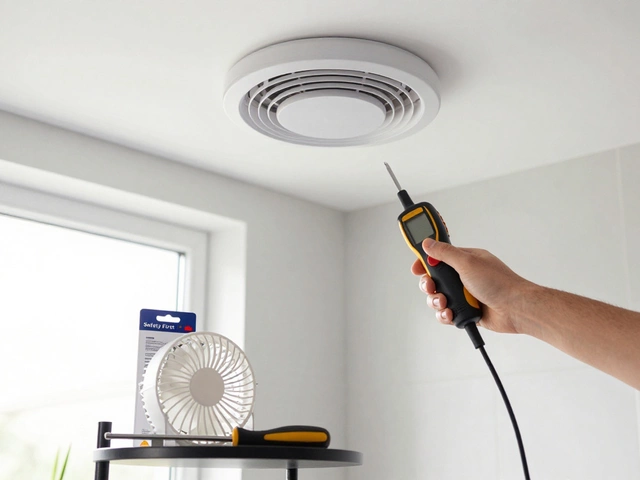
A faulty oven element, a visible, replaceable heating coil usually shows clear signs: it doesn’t glow red when the oven is on, it looks blistered or broken, or you smell burning when you turn the oven on. These aren’t just quirks—they’re red flags. Most of the time, it’s not the thermostat or the control panel. It’s just the element. And replacing it? Often cheaper than a new oven. You don’t need to be an electrician. A multimeter and a screwdriver are all you need to confirm it’s dead and swap it out.
People often confuse a bad oven element with a broken control board. But here’s the truth: control boards fail less than 20% of the time. The oven heating element, the part that actually produces heat, fails way more often—especially in older ovens or homes with hard water or frequent power surges. If your oven heats unevenly, or only the broil element works, that’s usually the bake element gone. If neither works, it could be the element, the wiring, or the thermostat. But start with the element. It’s the easiest, cheapest fix.
Fixing a faulty oven element isn’t just about saving money. It’s about keeping your kitchen running. You don’t need to replace the whole oven just because one part died. Most elements cost under $50. Labor runs $100–$150 if you hire someone. But if you’ve ever changed a lightbulb, you can change this. The power goes off. You unscrew the old one. You plug in the new one. Done. No rewiring. No guesswork. And you get your oven back the same day.
But here’s the catch: if your oven is over 10 years old and you’re replacing the element for the second time, it might be time to think about a new one. Older ovens waste energy. Newer models heat faster, use less power, and have better safety features. Still, if your oven’s otherwise in good shape, replacing the element is the smart move. It’s not a band-aid—it’s a real fix.
What you’ll find below are real, tested guides from people who’ve been there. How to test your element with a multimeter. What to look for when buying a replacement. When to call a pro instead of DIYing it. And why some people waste hundreds replacing the wrong part. This isn’t theory. It’s what actually works.
Learn the 7 clear signs your electric oven is broken, from no heat to strange smells. Find out when to repair and when to replace, with practical tips for Auckland homes.