Oven Repair Signs: Know When Your Oven Needs Fixing
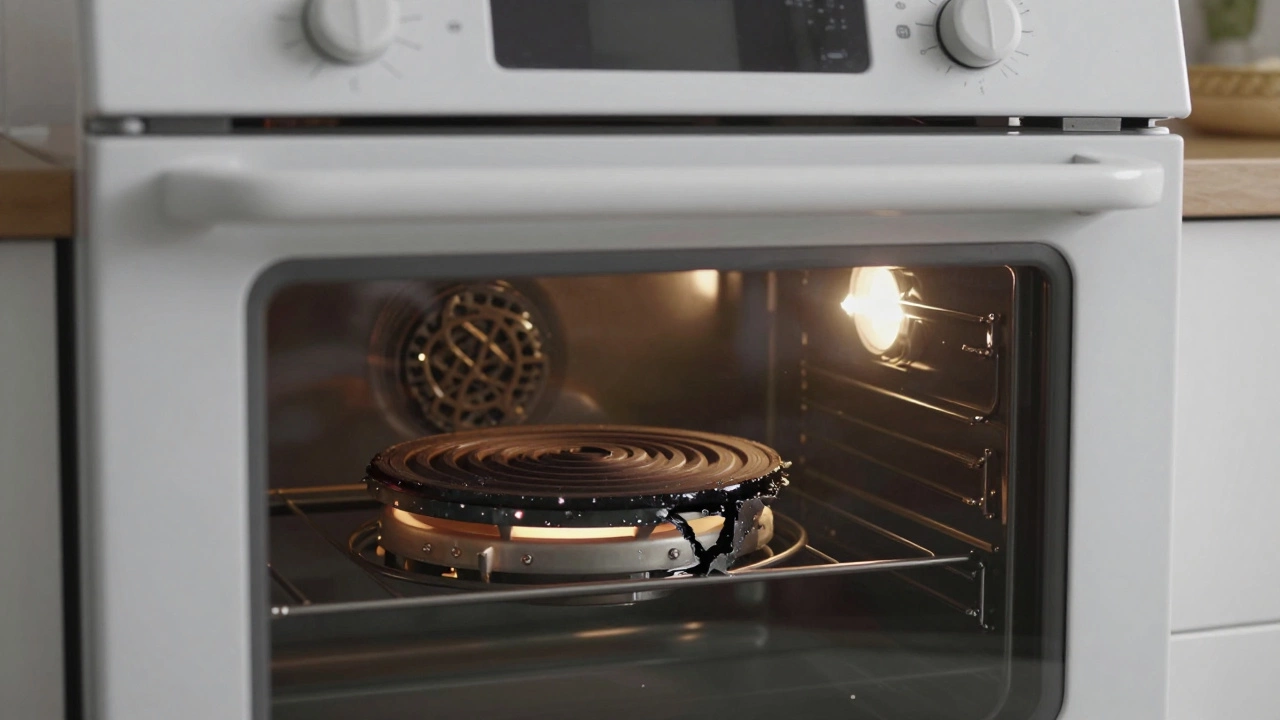
When your oven, a key home appliance used for baking, roasting, and broiling food. Also known as a cooking oven, it’s one of the most relied-on tools in the kitchen stops working right, it’s not just inconvenient—it can be a safety risk. Most people assume an oven that doesn’t heat is broken beyond repair, but often it’s just one small part failing. The oven element, the heating coil inside the oven that glows red when powered is the most common culprit. It wears out over time, especially if you use the self-clean function often. A cracked or burnt-out element won’t glow, and your food will take forever to cook—or won’t cook at all.
But it’s not just the element. Watch for oven control board, the electronic brain that manages temperature, timers, and settings issues. If the display is flickering, buttons don’t respond, or the oven turns on by itself, that board might be failing. It’s not something you can fix with a screwdriver—this needs a trained technician. Then there’s the thermostat, the sensor that tells the oven when to turn heat on or off. If your oven runs too hot or too cold, even after resetting it, the thermostat is likely off. A simple calibration can fix it, but many people just assume their oven is "old" and replace it. That’s a mistake. Most ovens last 15+ years, and a $150 repair beats a $1,000 replacement.
Don’t ignore strange smells, especially a burning plastic or metallic odor. That’s not normal. It could mean wiring is overheating, insulation is breaking down, or grease has built up inside. Same goes for uneven cooking—if one side of your roast is charred and the other’s raw, the heating element or fan might be failing. And if your oven light works but nothing heats up? That’s a dead element or a tripped thermal fuse. These aren’t guesswork issues. They’re clear signs your oven needs attention before it leaves you stranded during dinner prep.
Here’s what most people miss: you don’t need to wait for total failure. A slow decline—longer preheating times, inconsistent baking, odd noises—is your oven asking for help. Fixing it early saves money, avoids food waste, and keeps your kitchen running. The posts below break down exactly what to look for, how to test common parts yourself, and when to call a pro. Whether you’re dealing with a broken element, a glitchy control panel, or just weird smells, you’ll find real answers here—no fluff, no jargon, just what actually works.
Learn the 7 clear signs your electric oven is broken, from no heat to strange smells. Find out when to repair and when to replace, with practical tips for Auckland homes.