Toilet Appliance Repair: Fixing Common Issues in Toilet Systems
When your toilet appliance, a system that includes the tank, flush valve, fill valve, and bowl mechanism working together to remove waste. Also known as toilet system, it's one of the most used but least understood parts of your home. stops working, it’s not just annoying—it’s a health risk. Unlike other appliances, toilets don’t have buttons or displays. They rely on simple mechanical parts that wear out, clog, or leak. And when they fail, you’re left standing in a puddle wondering what went wrong.
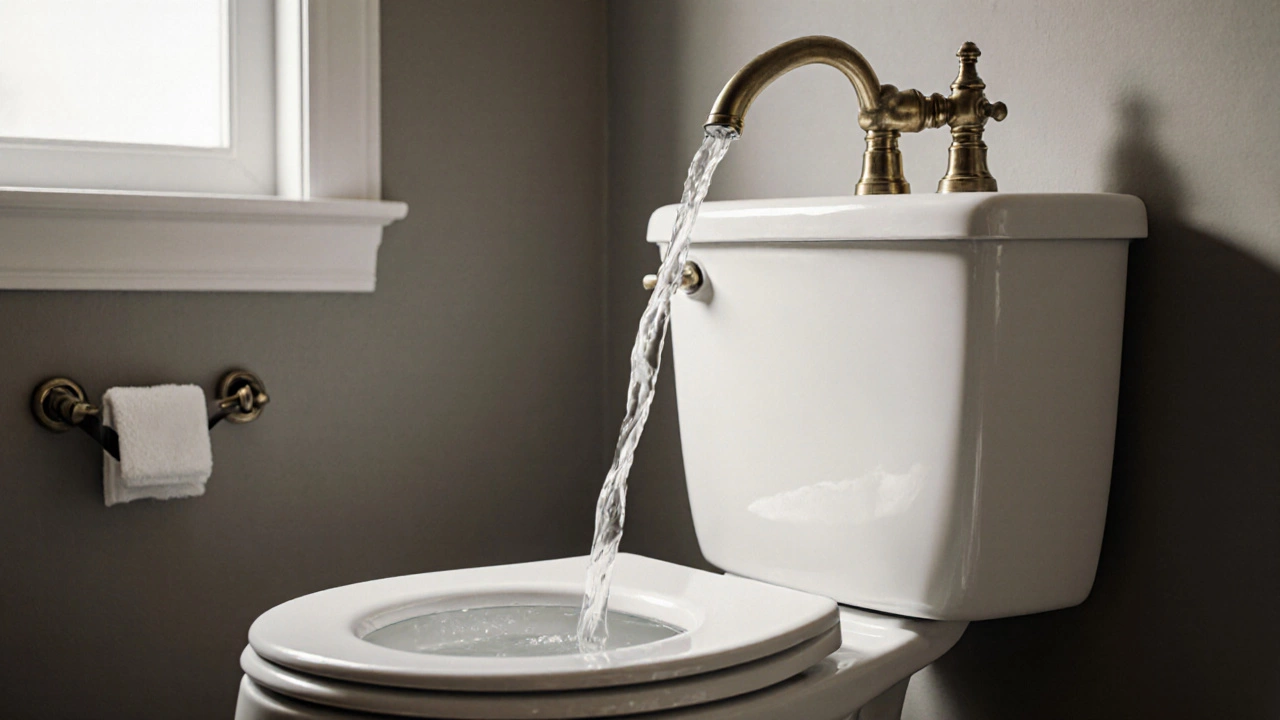
The real problem isn’t always the bowl. Most toilet appliance issues come from the tank, the hidden compartment behind the bowl that holds water for each flush. A worn-out flapper, a misaligned float, or a corroded fill valve can cause constant running, weak flushes, or no flush at all. These aren’t electrical problems like a broken oven board—they’re mechanical. You don’t need an electrician. You need someone who knows how the flush mechanism, the chain, lever, and valve system that releases water from the tank into the bowl works. And if you’ve ever replaced a part only to have the same issue come back in a week, you know how easy it is to misdiagnose this.
Many people try to fix their toilet appliance with YouTube tutorials, but a lot of those videos skip the real causes. For example, if your toilet runs every 10 minutes, it’s not always the flapper. It could be a cracked overflow tube, mineral buildup on the valve seat, or even a faulty toilet valve, the component that controls water flow into the tank after each flush. These aren’t just parts—they’re interdependent. Fix one thing without checking the others, and you’re just delaying the next breakdown.
What makes toilet appliance repairs tricky is that they happen in dark, damp spaces. You can’t just open it up and see everything. A small leak behind the tank might look like condensation. A slow drip from the base could mean a cracked bowl or a failed wax ring. And if you’ve got an older model, finding the right replacement part is like hunting for a needle in a haystack. Brands like American Standard, Toto, and Kohler have different designs—even the same model can change over the years.
That’s why local expertise matters. In Warwick, you don’t need someone who fixes heat pumps and ovens—you need someone who’s pulled apart a hundred toilet tanks, knows which parts are still made, and can tell if your system is worth fixing or if it’s time to upgrade. We’ve seen toilets that were repaired three times by different people before finally being replaced. Each time, they used the wrong part, or didn’t check the water pressure, or ignored the fact that the supply line was corroded. These aren’t mistakes—they’re avoidable.
Below, you’ll find real repair guides and case studies from people who’ve been there. No fluff. No marketing. Just what actually works when your toilet appliance stops behaving. Whether you’re dealing with a silent leak, a weak flush, or a tank that won’t stop filling, there’s a fix here that matches your problem. And if you’re wondering whether to DIY or call a pro, the answers are in the details—not the hype.
Is a toilet an appliance? The answer isn't obvious. Learn why standard toilets are plumbing fixtures, not appliances - and when smart toilets cross the line into appliance territory.