Toilet Repair: Common Issues, Costs, and When to Call a Pro
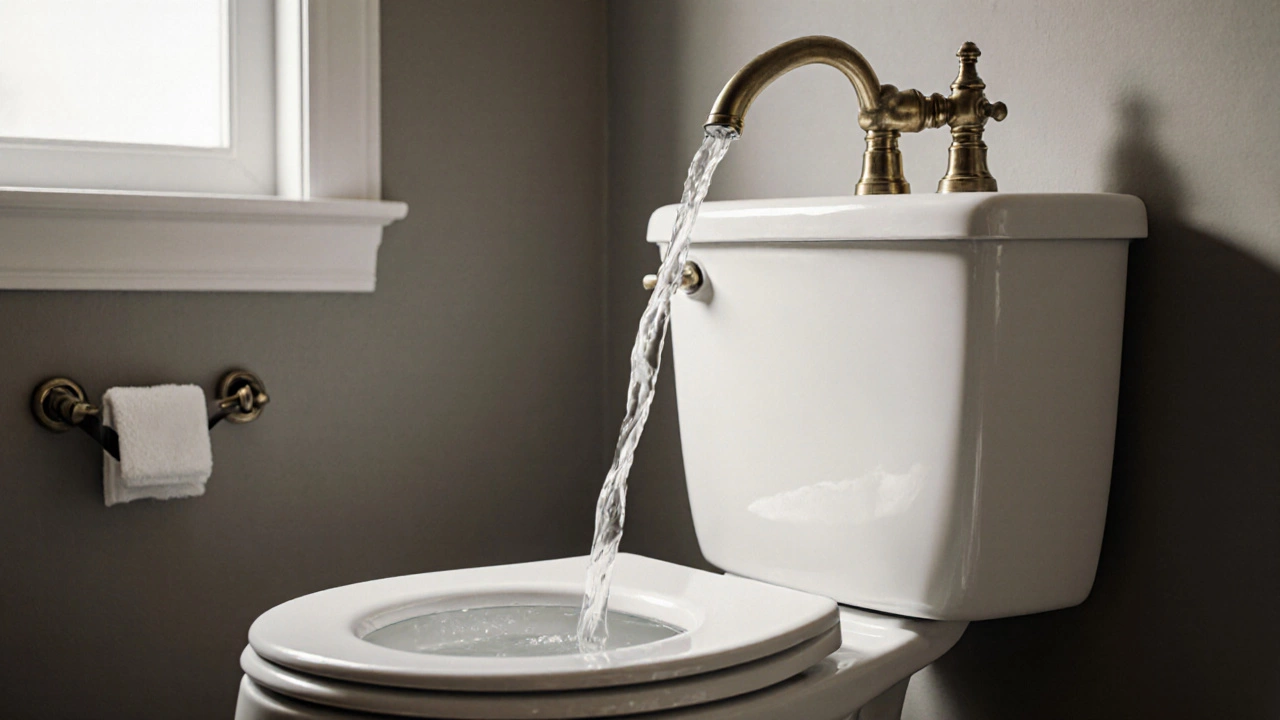
When your toilet repair, the process of fixing a malfunctioning toilet to restore proper flushing, water flow, and sealing. Also known as toilet fix, it’s one of the most common household tasks that can turn into a mess if done wrong. A running toilet isn’t just annoying—it’s wasting up to 200 gallons a day. Most of the time, it’s not the whole unit that’s broken. It’s usually a worn-out flapper, a misadjusted float, or a cracked fill valve. These are simple parts, but they’re easy to misdiagnose. Many people replace the whole toilet when all they needed was a $15 rubber seal.
Then there’s the toilet clog, a blockage in the drain line that prevents water from flushing properly, often caused by excess toilet paper, wipes, or foreign objects. A plunger works for 8 out of 10 clogs. But if you’re using chemical drain cleaners, you’re risking damage to your pipes and seals. And if water is backing up into your shower or sink? That’s not a toilet problem—it’s a main line issue. That’s when you need a plumber, not a DIY hack.
Leaks around the base of the toilet are another big one. That’s usually a failed wax ring, not a cracked bowl. Replacing it takes an hour and costs less than $20. But if you don’t shut off the water first, you’re turning your bathroom into a swimming pool. And don’t ignore a wobbly toilet. That loose bolt can crack the porcelain over time—and a cracked bowl means a full replacement. The toilet tank repair, fixing components inside the tank like the flush valve, fill valve, or handle linkage to restore proper operation. is often overlooked. People think the tank is fine because it holds water, but if the flush is weak or the water keeps running, something inside is failing.
Most toilet repairs don’t need a pro. But knowing when to stop trying is key. If you’ve tried the basics—new flapper, adjusted float, plunger, tightening bolts—and it’s still leaking, running, or clogging, you’re wasting time. Older toilets (pre-1994) use way more water and are harder to fix with modern parts. Sometimes, replacing it with a new high-efficiency model saves more money in water bills than another repair ever could.
And yes, toilets can be noisy. That loud gurgle or hiss? It’s usually air in the line or a faulty fill valve. That’s fixable. But if you hear gurgling from your kitchen sink when you flush? That’s a venting problem. That’s not a toilet issue—it’s your whole drainage system. That’s when you call someone who knows pipes, not just toilets.
Below, you’ll find real fixes from people who’ve been there. No fluff. No guesswork. Just what actually works when your toilet acts up—whether it’s a quick part swap or knowing when it’s time to walk away from the old one.
Is a toilet an appliance? The answer isn't obvious. Learn why standard toilets are plumbing fixtures, not appliances - and when smart toilets cross the line into appliance territory.