Tripped Water Heater: What to Do When Your Water Heater Stops Working
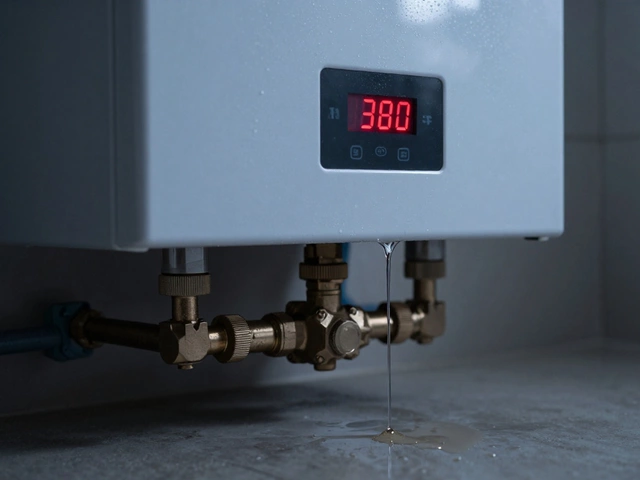
When your tripped water heater, a common electrical fault in residential electric water heating systems that cuts power to prevent overheating or short circuits. Also known as a water heater circuit breaker trip, it’s one of the most frequent reasons people wake up to cold showers. This isn’t a sign your tank is dying—it’s often a warning you ignored. Most tripped water heaters happen because of a bad heating element, a faulty thermostat, or sediment buildup forcing the system to overwork. You don’t need to replace the whole unit right away. In fact, 7 out of 10 times, a reset and a quick check will bring it back to life.
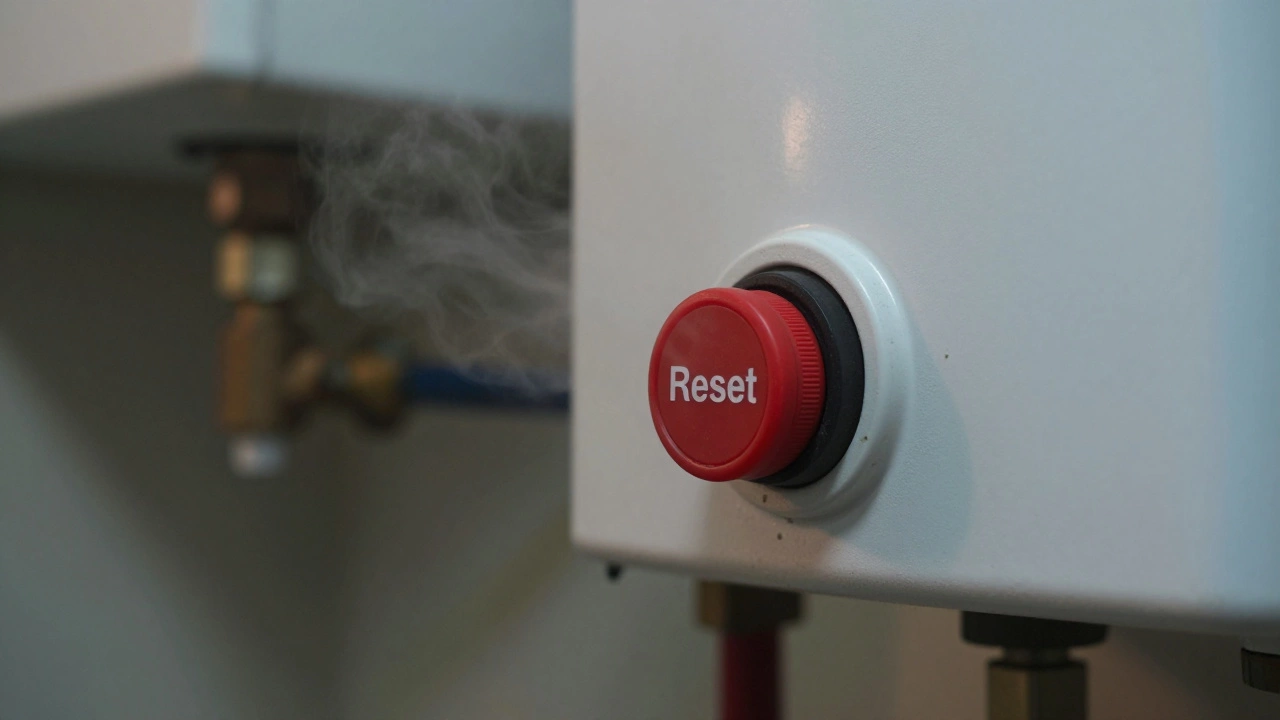
The electric water heater, a household appliance that uses electrical resistance to heat water in a storage tank relies on two heating elements and a thermostat that work together. If one element burns out, the other tries to pick up the slack—and that extra load can overload the circuit. That’s when the breaker trips. It’s a safety feature, not a failure. You’ll find the reset button (usually red) on the thermostat, often hidden behind a metal panel on the side of the tank. Before you touch it, make sure the water heater breaker, the dedicated circuit breaker in your home’s electrical panel that controls power to the water heater is switched off. Turning it off first isn’t just smart—it’s required by electrical codes. After resetting, turn the breaker back on and wait an hour. If hot water returns, you’re good. If not, one of those elements or the thermostat likely needs replacing.
Some people think a tripped water heater means it’s old and done. But a 10-year-old tank can still work fine if it’s been flushed regularly. The real problem? Hard water. Minerals build up at the bottom, forcing the element to work harder, overheat, and trip the breaker. That’s why water heater failure often looks like a sudden electrical issue—but it’s really years of neglect. Check your anode rod, flush the tank, and clean the elements. You’ll extend its life by years.
Don’t rush to call a technician unless you’ve tried the reset and checked the breaker. Most electricians aren’t trained in water heater internals—they fix wires, not heating elements. You need an appliance repair tech who’s handled these tanks before. And if you’ve reset it twice and it trips again? That’s not a coincidence. Something’s failing. It could be the thermostat, the upper element, or even a short in the wiring. The good news? These parts cost under $150. Labor? Usually under $200. Replacing the whole tank? That’s $800 to $1,500.
Below, you’ll find real fixes from people who’ve been there. From step-by-step reset guides to what to check when the breaker won’t stay on, these posts cover exactly what you need to know—no fluff, no guesswork. Whether you’re trying to fix it yourself or just want to know if you’re being overcharged, you’ll find the truth here.
Pressing the reset button on your water heater once is usually safe, but doing it repeatedly can be dangerous. Learn why it trips, what to do instead, and when to call a professional.