Water Heater Reset Safety Checker
Is It Safe to Press Your Reset Button?
Answer these questions to determine if pressing your water heater's reset button is safe or if you need professional help.
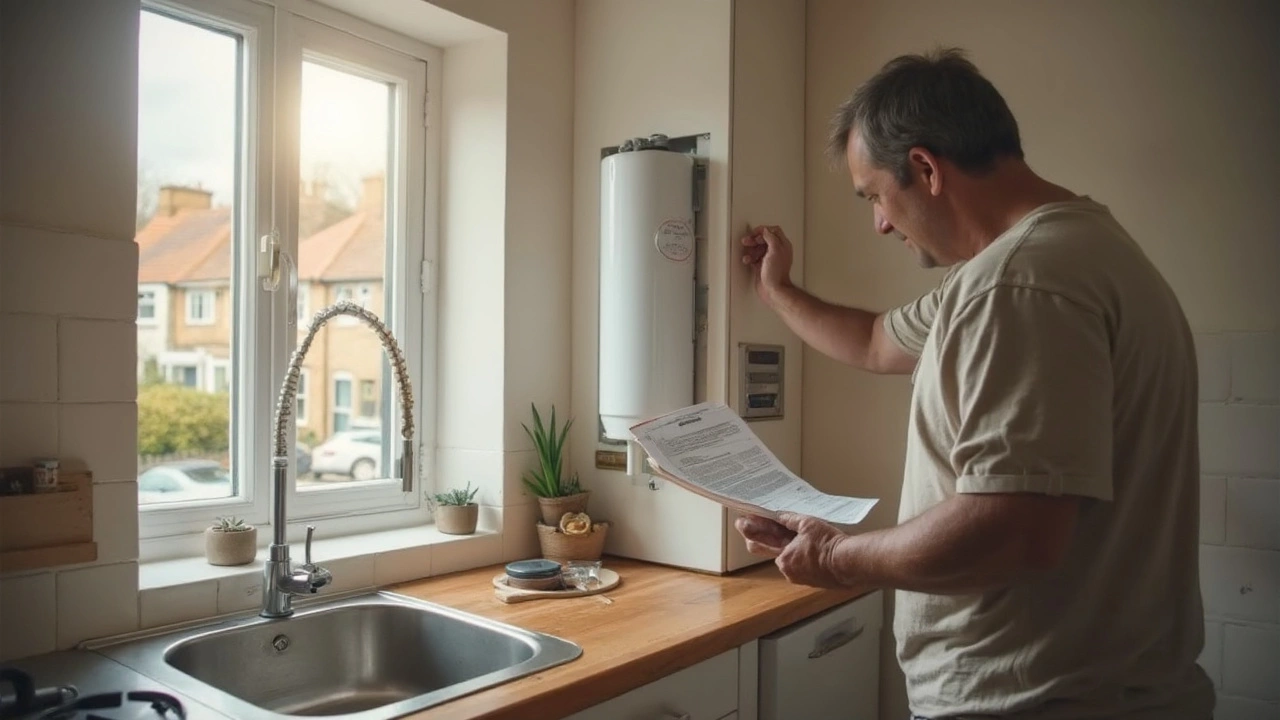
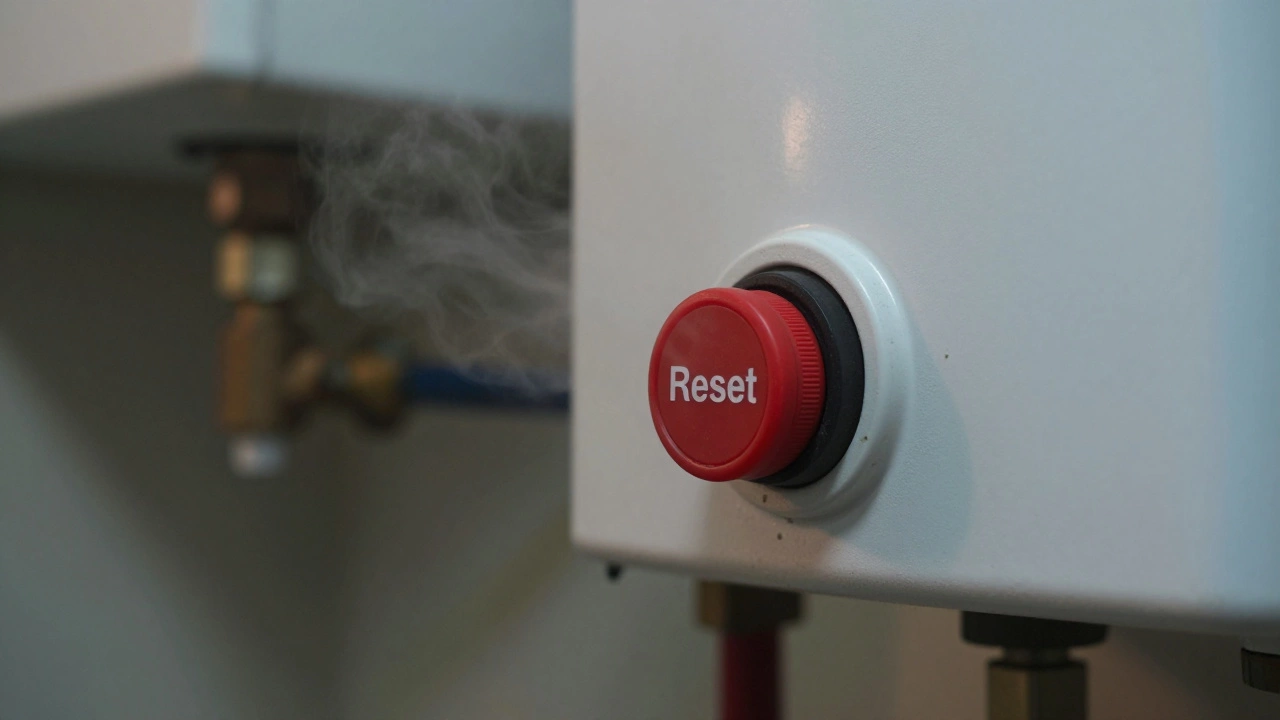
That red reset button on your water heater looks innocent enough. It’s small, tucked away, and often labeled with a simple "Reset." But when your hot water suddenly cuts out, and you spot it, the urge to push it is strong. You’ve heard it might fix things. Maybe your neighbor did it and it worked. But is it safe? And what happens if you press it too many times?
What the Reset Button Actually Does
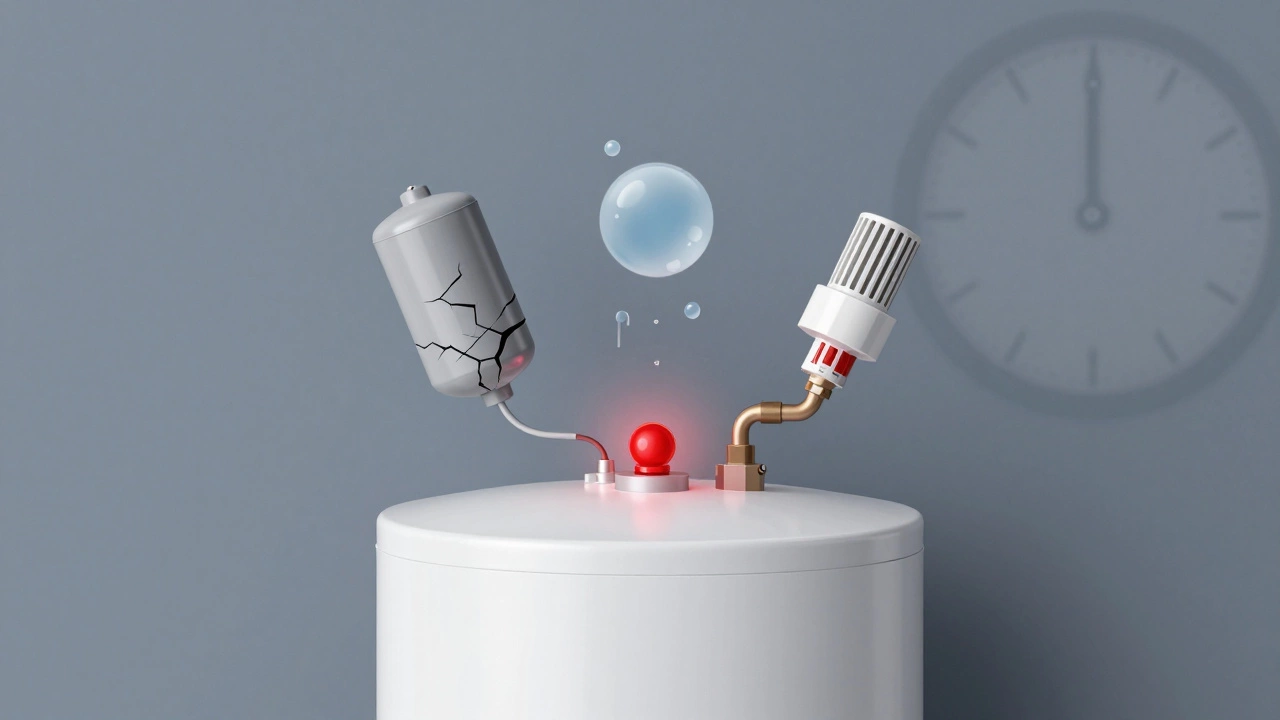
The reset button isn’t a power switch. It’s a safety device. Inside your electric water heater, there’s a high-limit thermostat. Its job is simple: if the water gets too hot - above 180°F (82°C) - it cuts power to stop the heater from overheating. That’s not just about comfort. Overheating can cause scalding, pressure buildup, or even tank failure.
When that thermostat trips, the reset button pops out. It’s designed to stay out until you manually press it back in. That’s not a glitch. It’s working exactly as it should. Pressing it doesn’t fix the root problem. It just lets the system try again.
Why It Trips in the First Place
Here’s the truth: if your reset button keeps popping, something’s wrong. It’s not random. Common causes include:
- A faulty upper thermostat that won’t shut off, causing the water to boil
- A broken heating element that’s stuck on full power
- Mineral buildup around the thermostat, making it misread the water temperature
- Loose or corroded wiring that causes electrical surges
- A malfunctioning pressure relief valve that can’t release excess heat
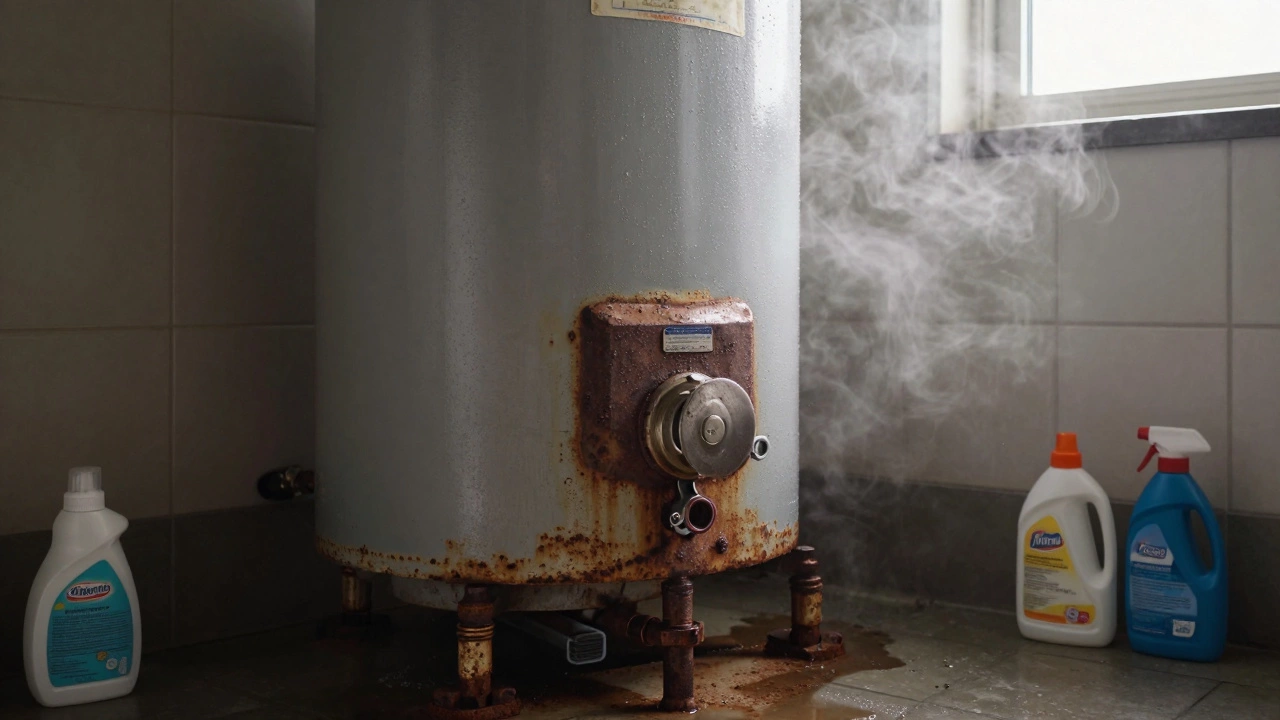
In Auckland’s hard water areas, limescale is a big culprit. It coats the thermostat sensor like insulation, tricking it into thinking the water is cooler than it is. So the heater keeps running - until it overheats and trips.
Pressing It Once: Is It Safe?
If the reset button popped once and you haven’t noticed any other issues - no strange noises, no steam, no burning smell - then pressing it once is usually fine. Wait 30 minutes after it trips. Let the tank cool slightly. Then press it firmly. You should hear a soft click.
If hot water returns and stays on for days or weeks, you got lucky. The trip was a one-off, maybe from a power surge or someone using too much hot water in a row.
But if the water heats up normally for a few hours and then cuts out again? That’s not luck. That’s a warning.
Why Pressing It Repeatedly Is Dangerous
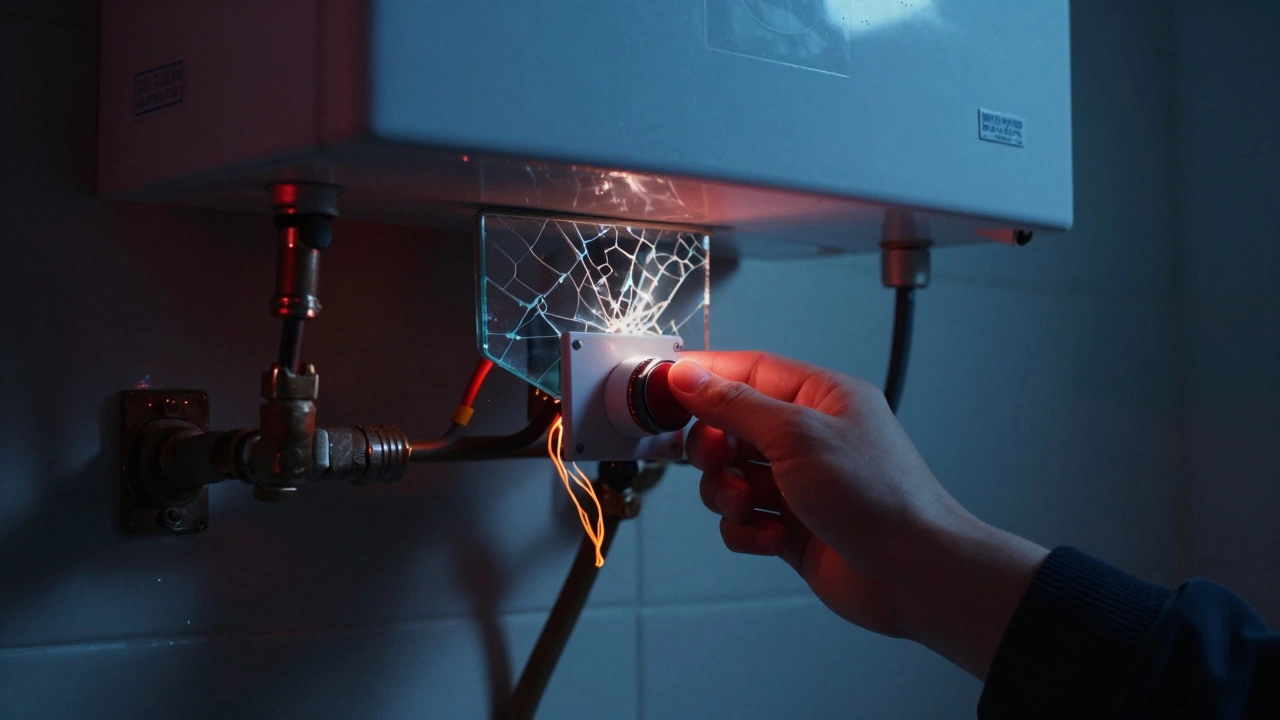
Every time you press the reset button, you’re overriding a critical safety system. If the underlying issue isn’t fixed, the tank will overheat again. And again. Each trip increases stress on the tank lining, wiring, and thermostat.
Here’s what can happen if you ignore the pattern:
- The tank’s internal glass lining cracks from repeated thermal shock
- Wiring insulation melts, creating a fire risk
- Pressure builds up beyond safe limits - a rare but real risk of tank rupture
- Gas water heaters can trigger the flame rollout switch, shutting down the whole system
In 2024, a Consumer Protection report in New Zealand found that 17% of water heater failures linked to repeated resetting were due to ignored thermostat faults. Many of those cases led to leaks or fires.
What to Do Instead
Don’t treat the reset button like a magic fix. Treat it like a red flag.
Here’s your step-by-step plan:
- Turn off the power at the circuit breaker. Don’t just flip the heater’s switch.
- Wait 60 minutes for the tank to cool.
- Press the reset button once. If it clicks and stays in, turn the power back on.
- Monitor for 24 hours. Do you get consistent hot water? Any odd smells? Hissing sounds?
- If it trips again - stop. Call a licensed plumber or electrician.
Don’t try to bypass the reset button. Don’t tape it down. Don’t replace it with a regular switch. That’s how fires start.
When to Call a Professional
You don’t need to be an expert to know when to call help. Here are clear signs:
- The reset button trips more than once in a week
- You smell burning plastic or see discolored wires near the heater
- The water is too hot to touch, even on the lowest setting
- You hear loud popping or rumbling from the tank
- Your water bill spiked suddenly with no change in usage
Most electric water heaters last 8-12 years. If yours is older than 10, and the reset button keeps tripping, replacement is often cheaper and safer than repeated repairs.
Preventing Future Trips
Once the problem’s fixed, take steps to avoid it again:
- Set your water heater to 120°F (49°C). That’s hot enough for showers and cleaning, but low enough to reduce strain and scalding risk.
- Flush your tank annually. Drain a bucket of water from the bottom valve to remove sediment. Do this in spring before heavy use.
- Install a water softener if you live in a hard water area like Auckland’s North Shore or Manukau.
- Check the pressure relief valve every six months. Lift the lever briefly - water should flow out. If it doesn’t, replace it.
These aren’t fancy fixes. They’re basic maintenance. But skipping them is like ignoring your car’s oil light.
Gas vs. Electric Water Heaters
Gas water heaters don’t have a reset button. They have a different safety system - the flame rollout switch. If it trips, you’ll see a small red button near the burner. Pressing it is safe once, but if it trips again, the issue is likely a blocked flue, dirty burner, or faulty thermocouple. Never ignore it. Gas leaks are silent killers.
If you’re unsure whether your heater is gas or electric, look at the bottom. Electric models have thick cables running into the top. Gas models have a gas line and a vent pipe.
Final Answer: Is It Safe?
Pressing the reset button once, after waiting and checking for other signs of trouble, is safe. It’s part of normal operation.
Pressing it again and again, without fixing the cause, is not safe. It’s gambling with your home’s safety. That little red button isn’t there to be pressed. It’s there to tell you something’s broken - and you need to fix it.
If you’ve pressed it twice and it keeps tripping, don’t wait. Call a professional. Your hot water matters. But your safety matters more.
Why does my water heater reset button keep popping?
It keeps popping because something’s wrong - usually a faulty thermostat, a broken heating element, or heavy mineral buildup from hard water. The reset button isn’t broken; it’s doing its job by shutting off power to prevent overheating. Pressing it won’t fix the underlying issue.
Can pressing the reset button cause a fire?
Not directly. But repeatedly pressing it while ignoring the cause can. If the thermostat fails and the heating element stays on, the water overheats, which can melt wiring, crack the tank lining, or trigger a pressure surge. These are known causes of water heater fires.
How long should I wait before pressing the reset button?
Wait at least 30 minutes. The tank needs time to cool down. If you press it too soon, the thermostat might trip again immediately because the water is still too hot. Waiting reduces the chance of a repeat trip and gives you time to check for other warning signs.
Should I replace my water heater if the reset button trips often?
If your water heater is over 10 years old and the reset button trips more than once, replacement is usually the best choice. Repairing old components is expensive and often temporary. Newer models are more efficient, safer, and come with better warranties. In Auckland, many homes now use heat pump water heaters - they’re quieter and use 60% less electricity.
Can I fix a tripped reset button myself?
You can press the button once, but you can’t fix the cause without tools and training. Faulty thermostats, heating elements, or wiring require electrical knowledge and safety gear. Most manufacturers require licensed professionals to service these parts. DIY repairs can void your warranty and create serious hazards.