Water Heater Signs: Common Warning Signals and What to Do Next
When your water heater, a home system that heats and stores water for taps, showers, and laundry starts acting up, it doesn’t always scream for help—it whispers. Rusty water, strange noises, or a sudden drop in hot water aren’t just annoyances. They’re water heater signs, clear indicators that the system is failing and needs attention. Ignoring them often leads to a full breakdown, a flooded basement, or a bill for a brand-new unit you weren’t ready for.
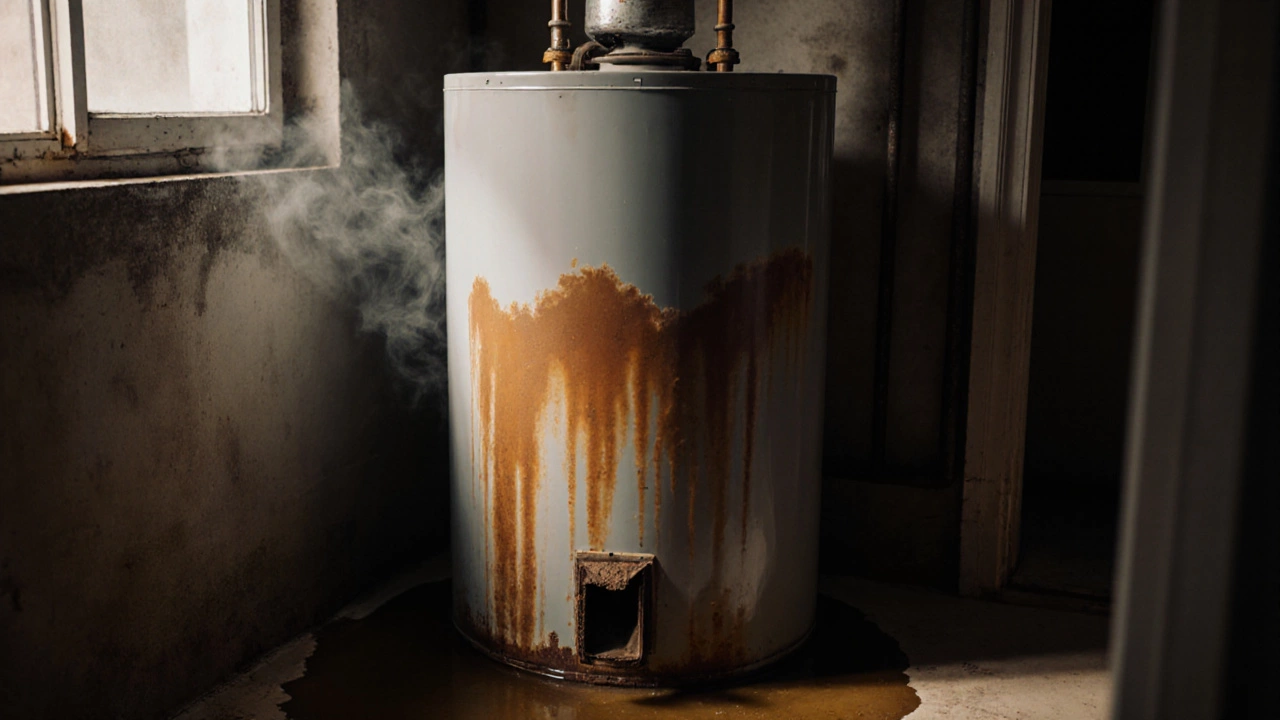
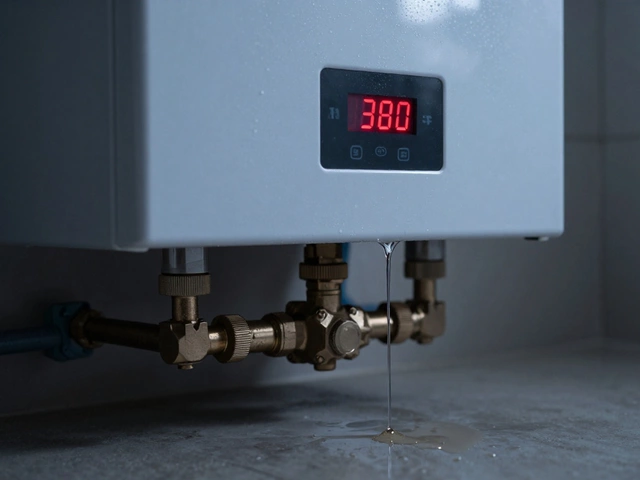
One of the most obvious water heater failure, when the unit can no longer produce or hold hot water reliably signs is discolored water. If your hot water comes out brown or rusty, it’s not dirt in the pipes—it’s corrosion inside the tank. That usually means the anode rod, a sacrificial metal rod that protects the tank from rusting has worn out. Most people don’t know it exists, but replacing it every 3–5 years can double your heater’s life. Another red flag? Water pooling around the base. A small leak might seem minor, but it’s often the start of a tank rupture. No amount of tightening a fitting will fix a corroded tank.
Then there’s the silence—or the noise. If your water heater used to hum and now it’s quiet, the heating element might be dead. If it’s banging or popping, that’s sediment buildup at the bottom, forcing the element to work harder and burn out faster. And if you wake up to no hot water, a complete lack of heated water despite the unit being powered on, it could be as simple as a tripped reset button—or as serious as a failed thermostat or broken dip tube. The key is not to guess. Check the basics: is the power on? Is the gas valve open? Has the reset button been pushed? If none of that works, it’s time to look at the bigger picture.
Age matters too. Most water heaters last 8–12 years. If yours is pushing 10 and you’re starting to see any of these signs, you’re not just repairing—you’re playing Russian roulette with your floors and walls. A $300 repair might make sense today. A $1,200 water damage claim won’t feel so good tomorrow.
The posts below walk you through every common water heater sign—from the subtle to the screaming—and what each one actually means. You’ll find real fixes, cost estimates, and clear advice on whether to repair or replace. No fluff. No jargon. Just what you need to know before you call someone—or decide to fix it yourself.
Watch for signs like no hot water, strange noises, leaks, rust, or high bills-these mean your water heater is failing. Don’t wait for a burst. Replace it before it floods your home.