Kitchen Ventilation Solution Finder
What is your current living situation?
This helps determine installation constraints.
Renter
Cannot drill holes or modify walls
Owner (Limited Access)
Can install under-cabinet, no exterior ducts
Owner (Full Access)
Can do electrical work and exterior venting
That burnt toast smell isn't going anywhere. You reach for the switch above your stove, but nothing happens. The motor hums weakly, or worse, it’s completely dead. Maybe you’re renting a place where drilling holes in the wall is strictly forbidden, or perhaps you’re just tired of the constant drone that sounds like a small airplane taking off every time you cook.
You might think you’re stuck with stale air and greasy walls until a professional installs a new Extractor Fan. But you aren’t. There are several effective ways to manage heat, steam, and cooking odors without relying on traditional ducted or recirculating fans. Some solutions are cheap DIY fixes, while others involve upgrading to smarter appliances. Let’s look at what actually works when the fan fails.
The Power of Natural Ventilation
Before spending money on gadgets, check your windows. It sounds obvious, but proper cross-ventilation is often more effective than a low-quality extractor fan. The goal is to create a pressure differential that pulls air out of the kitchen and pushes fresh air in.
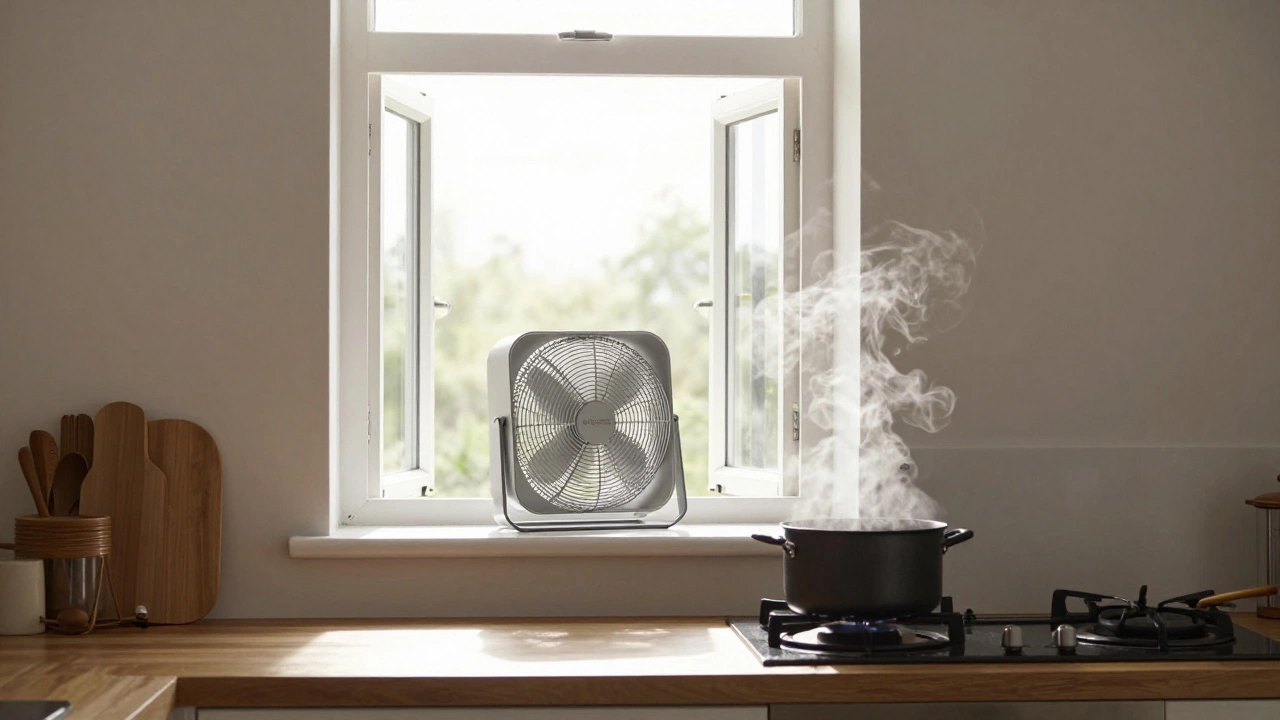
If you have windows on opposite sides of the house, open them both. If your kitchen only has one window, open that and another room nearby. To boost this effect, place a standard box fan in the kitchen window facing outward. This creates negative pressure, forcing the smoky or steamy air out while fresh air rushes in from other parts of the home. For winter months, crack the window slightly rather than opening it fully to maintain comfort while still allowing airflow.
This method requires zero installation and costs nothing beyond your electricity bill if you use an electric fan. It is particularly effective for removing large volumes of steam generated by boiling pasta or steaming vegetables.
Portable Air Purifiers with HEPA Filters
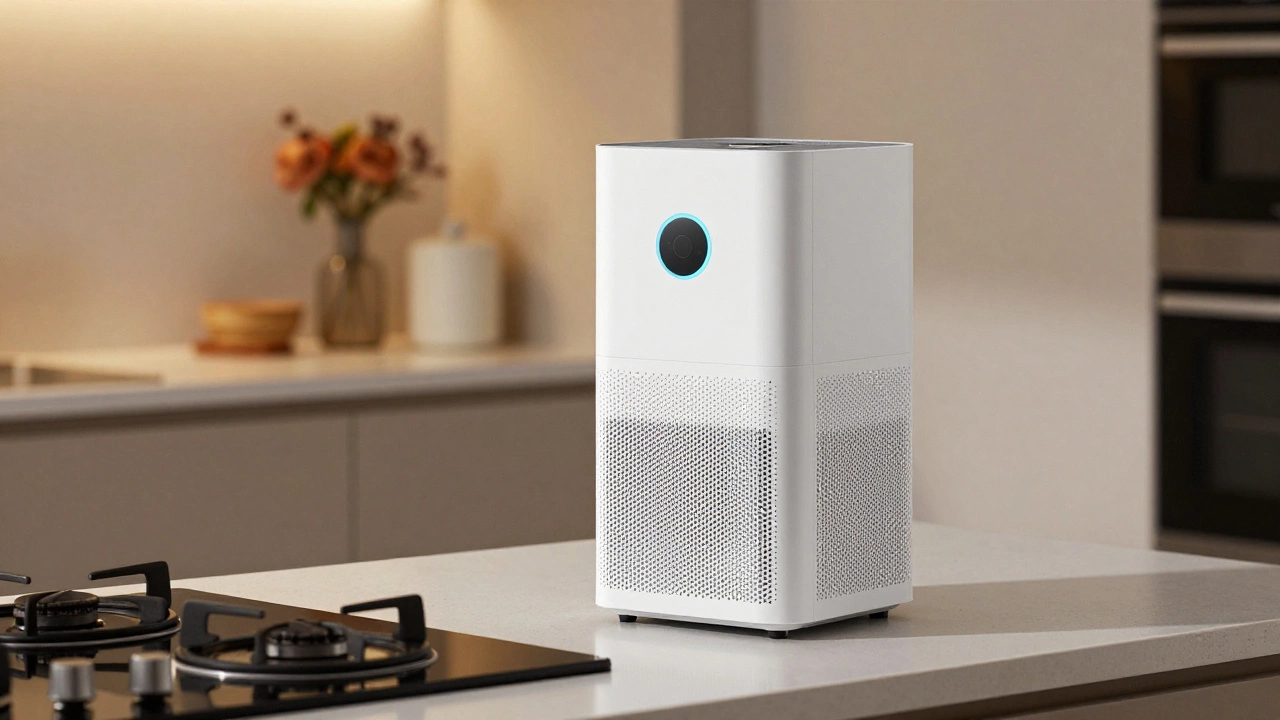
If you cannot vent air outside due to building restrictions or lack of windows, you need to clean the air inside. A high-quality portable air purifier can be a game-changer. Look for units equipped with HEPA filters and activated carbon pre-filters.
HEPA (High-Efficiency Particulate Air) filters trap solid particles like smoke, dust, and pollen. However, they do not stop gases or odors. That is where the activated carbon layer comes in. Carbon adsorbs volatile organic compounds (VOCs), which are the primary culprits behind cooking smells like frying onions or baking fish.
Place the purifier near the cooking area but not directly in the path of hot grease spray, as grease can clog the filter quickly. Run it on high power while cooking and keep it on low for an hour afterward. This solution is ideal for renters who cannot modify their kitchen structure.
| Solution | Best For | Cost Estimate | Installation Difficulty |
|---|---|---|---|
| Cross-Ventilation | Steam & Heat Removal | $0 - $50 (for a box fan) | None |
| Portable Air Purifier | Odors & Smoke Particles | $100 - $300 | None |
| Ductless Range Hood | Grease Capture & Odors | $150 - $400 | Low (under cabinet) |
| Induction Cooktop | Preventing Odor Generation | $300 - $800 | Medium (electrical work) |
Ductless Range Hoods with Carbon Filters
If you want something that looks and feels like a traditional hood but doesn’t require external ductwork, consider a ductless range hood. These units sit under your cabinets or mount on the wall. They pull air up through a metal mesh filter to catch grease, then pass it through a thick charcoal or carbon filter before releasing it back into the room.
The key here is maintenance. Unlike ducted systems that blow contaminants away, ductless hoods hold onto them. You must replace the carbon filters every three to six months, depending on how much you cook. Neglecting this will result in the unit blowing old, trapped smells back into your kitchen.
This option is excellent for apartments with strict no-drilling policies. It provides immediate capture of rising steam and smoke before it spreads throughout the house. While not as powerful as a ducted system for heavy frying, it handles everyday cooking tasks effectively.
Switching to Induction Cooking
The best way to eliminate cooking odors is to prevent them from forming in the first place. Traditional gas stoves burn fuel, creating combustion byproducts like nitrogen dioxide and carbon monoxide, along with visible smoke. Electric coils get extremely hot and can scorch food easily, leading to burning smells.
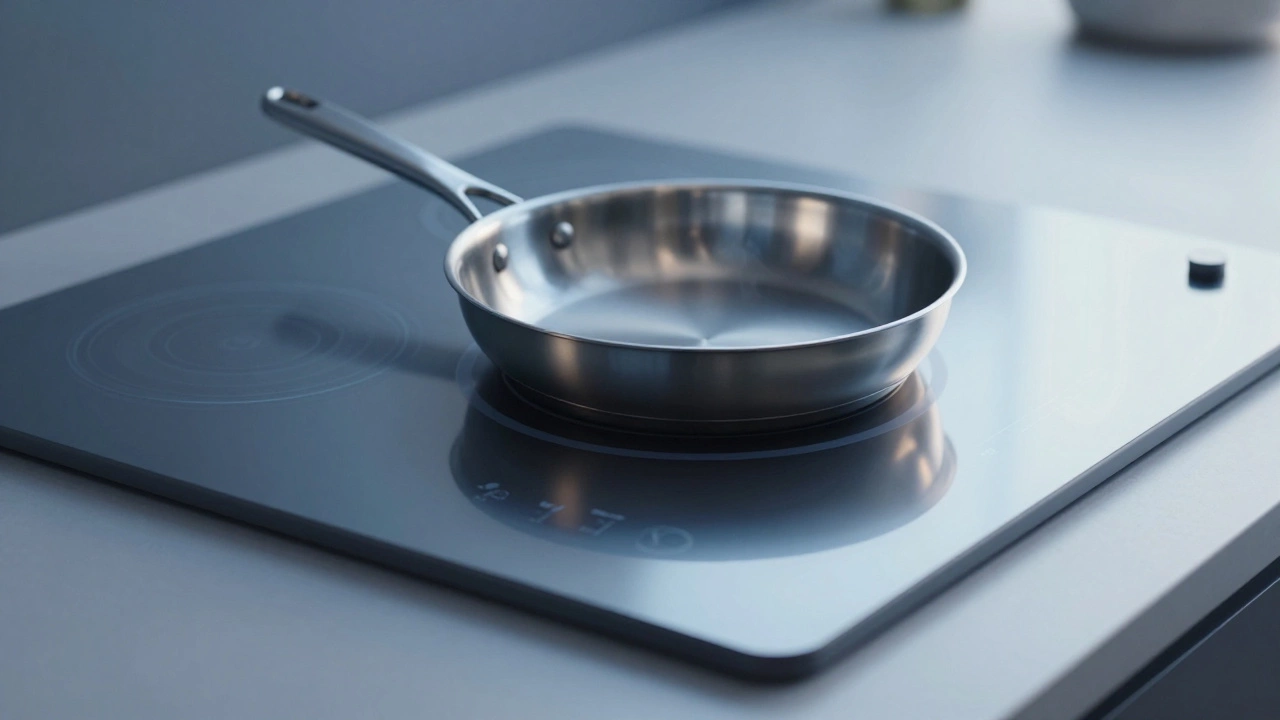
Induction cooktops heat only the pan, not the surrounding air. Because the surface stays relatively cool, there is less chance of food burning and sticking. Additionally, induction allows for precise temperature control, reducing the likelihood of overheating oils that release acrid fumes.
While this doesn’t remove existing odors, it significantly reduces the volume of pollutants generated. Many users report needing to ventilate their kitchens far less often after switching to induction. It is a long-term investment that pays off in cleaner air and lower energy bills.
Strategic Use of Odor Absorbers
For minor odors, mechanical ventilation might be overkill. Simple household items can neutralize smells chemically. White vinegar is a classic choice. Simmering a pot of water with vinegar slices absorbs airborne particles and neutralizes alkaline odors like those from fish or eggs.
Baking soda is another powerhouse. Place open boxes around the kitchen or sprinkle it on counters to absorb lingering smells. For immediate relief during cooking, keep a small bowl of coffee grounds nearby; they are surprisingly effective at masking and absorbing strong aromas.
These methods work best in conjunction with other strategies. They won’t clear out a room filled with smoke from a charred steak, but they help maintain freshness between meals.
When to Repair vs. Replace
Before abandoning your current extractor fan entirely, assess whether it needs repair. Common issues include clogged grease filters, jammed bearings, or faulty capacitors. Cleaning the aluminum mesh filters in warm soapy water can restore up to 50% of lost suction power.
If the motor runs but moves little air, the ductwork might be blocked by bird nests or debris. Inspect the exterior vent cap. If the motor is silent, check the wiring and capacitor. Minor repairs cost significantly less than buying new equipment. However, if the unit is over ten years old, replacement is usually more cost-effective due to improved efficiency standards in newer models.
Choosing the Right Solution for Your Space
Your choice depends on your specific constraints. Renters should prioritize portable air purifiers and natural ventilation. Homeowners with access to exterior walls should install ducted range hoods for maximum performance. Those looking to upgrade their cooking setup might find that switching to induction reduces the need for aggressive ventilation altogether.
Remember, the goal is not just to move air, but to remove contaminants. A solution that simply circulates dirty air around the room is useless. Always aim for either expulsion (outside) or filtration (inside).
Can a regular ceiling fan replace an extractor fan?
No. Ceiling fans circulate air within the room but do not remove heat, steam, or odors. An extractor fan actively pulls air out of the space, either outside or through filters. Using only a ceiling fan may spread cooking smells to other rooms instead of eliminating them.
Are ductless range hoods effective for heavy frying?
They are moderately effective. Ductless hoods capture grease and some odors using carbon filters, but they cannot match the power of ducted systems for heavy frying. Frequent filter changes are essential to maintain performance. For occasional frying, they work well; for daily heavy cooking, ducted ventilation is superior.
How often should I change carbon filters in a ductless hood?
Every three to six months. If you cook frequently or fry foods often, replace them closer to the three-month mark. Signs that filters need changing include reduced airflow, persistent odors despite running the hood, and visible discoloration on the carbon pads.
Will an air purifier remove grease from the air?
Not effectively. Most air purifiers use HEPA filters that trap solid particles but allow oily aerosols to pass through or clog the filter rapidly. Grease buildup can damage the purifier’s motor. Use a range hood with a metal grease filter for cooking, and reserve air purifiers for general odor and particle control.
Is it worth repairing an old extractor fan?
It depends on the issue. If cleaning filters restores suction, repair is unnecessary. If the motor fails, weigh the cost of parts against a new unit. Modern fans are more energy-efficient and quieter. If your fan is over ten years old, replacement is usually the better financial decision.