Appliance Categorizer Tool
Not sure if your device is an appliance, a gadget, or a fixture? Answer these quick questions to find out.
Result
Description goes here.
The Big Picture: What Exactly Is an Appliance?
At its core, home appliances is a general term for electrical or mechanical devices designed to perform a specific household function. If a machine takes a manual chore-like scrubbing a plate or cooling a drink-and automates it using power, it's an appliance. They are the silent workhorses of the home, converting electricity or gas into a useful result like heat, motion, or cold air.
To keep things simple, think of it this way: if it's a tool you use once and put away (like a hammer), it's not an appliance. If it's a powered device that serves a repetitive domestic need (like a toaster), it is. The line gets blurry with electronics. Is a laptop an appliance? Usually, no. While it uses power, it's categorized as consumer electronics because its primary purpose is information processing and entertainment, not a domestic chore.
Major Appliances: The Heavy Hitters
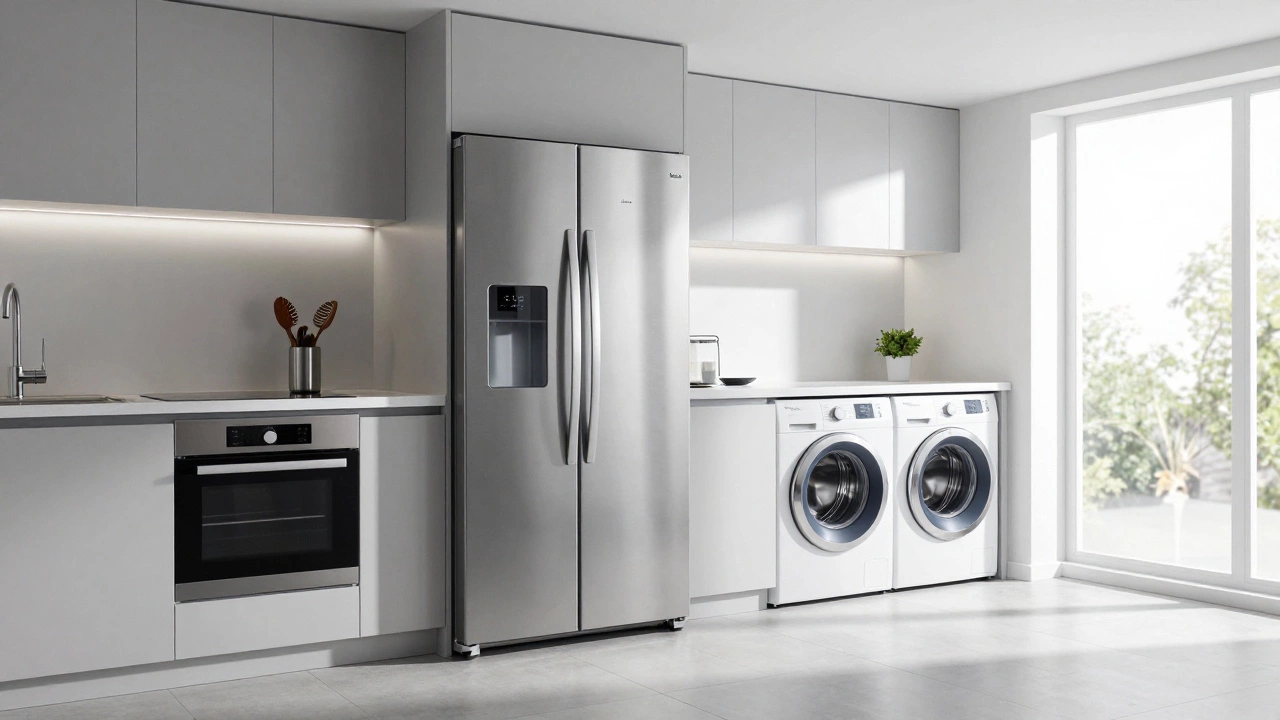
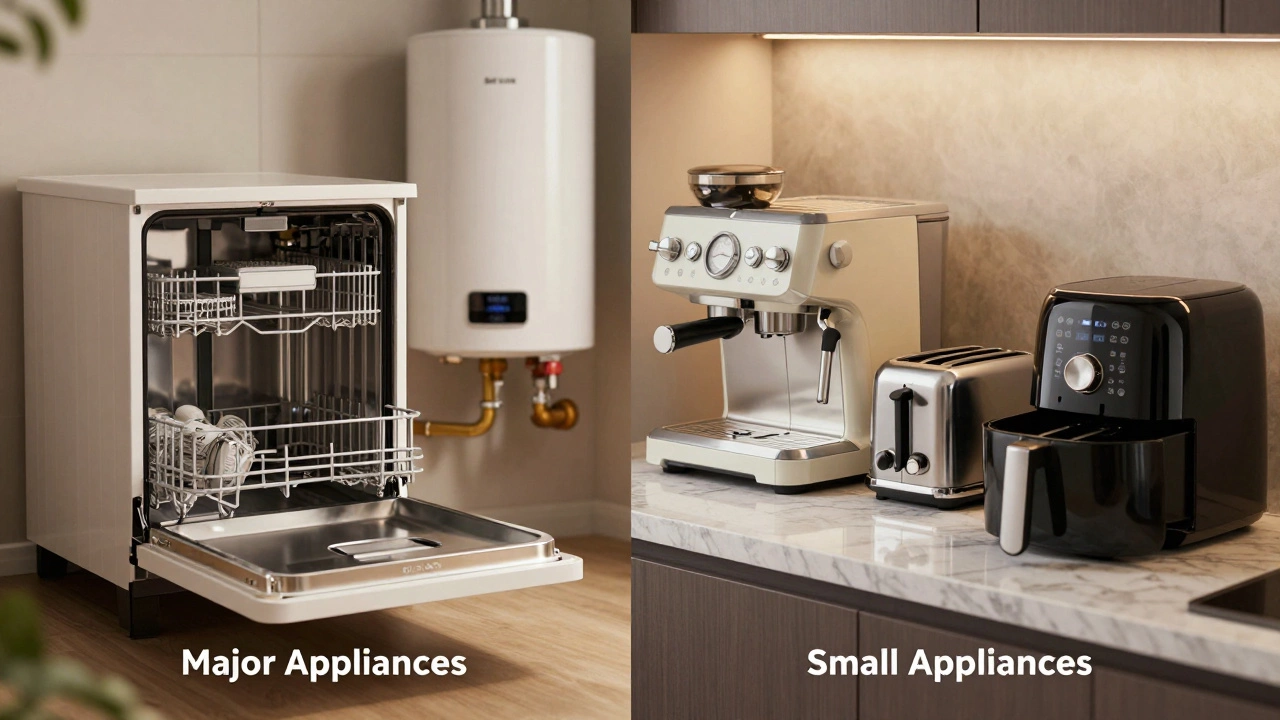
When a landlord says "appliances are included," they aren't talking about the blender. They mean Major Appliances, also known as white goods. These are the large, often heavy, machines that usually stay in one place for years. They are the backbone of the kitchen and laundry room.
These machines generally fall into three main categories based on what they do:
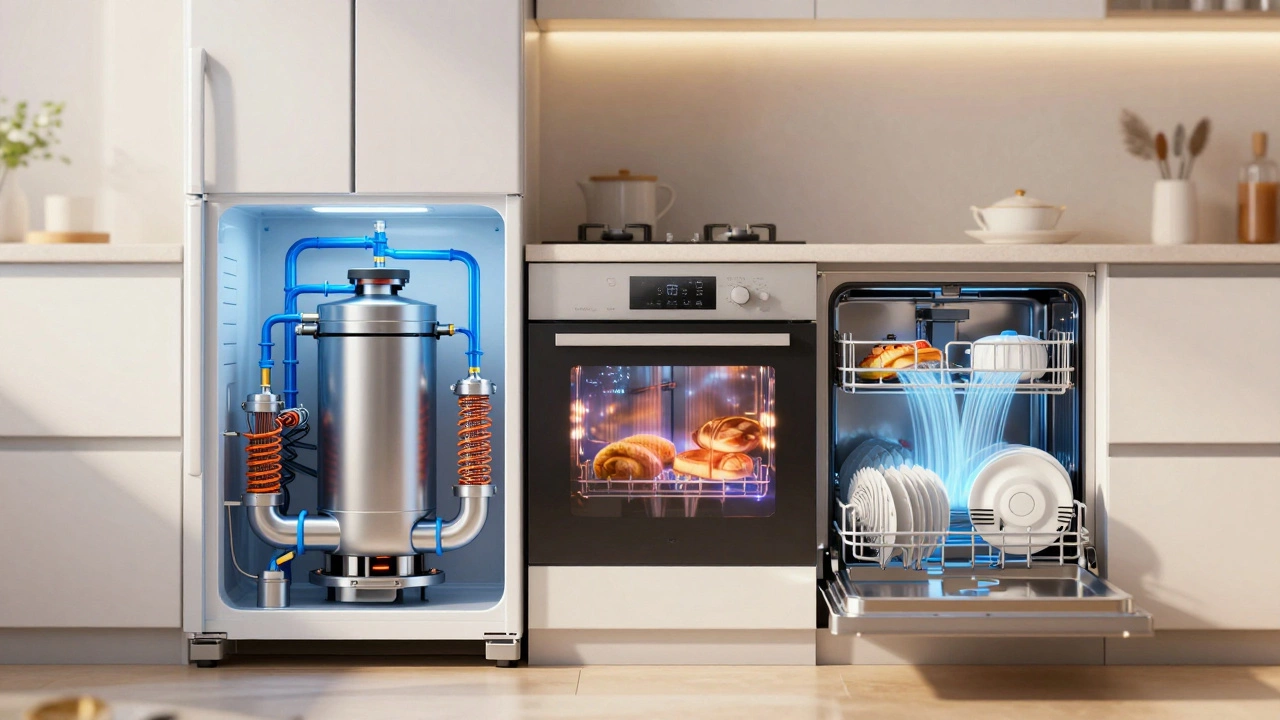
- Food Preservation and Prep: This includes the Refrigerator, which uses a compressor and refrigerant to keep food safe, and the Freezer. Then you have the Oven and the Stove, which provide the high heat needed for cooking.
- Cleaning and Sanitation: The Dishwasher is the MVP here, automating the cleaning of cookware. In the laundry room, you'll find the Washing Machine and the Tumble Dryer.
- Climate and Water Control: Things like the Water Heater or a central Boiler are technical appliances. While you don't "operate" them daily like a microwave, they are essential mechanical devices that perform a household function.
| Attribute | Major Appliances | Small Appliances |
|---|---|---|
| Installation | Permanent/Semi-permanent | Plug-and-play (Portable) |
| Power Needs | High voltage/Gas lines | Standard wall outlet |
| Lifespan | 10-20 years | 2-7 years |
| Examples | Fridge, Washer, Oven | Toaster, Kettle, Blender |
Small Appliances: The Countertop Crowd
Then we have Small Appliances. These are portable or semi-portable machines. They usually perform one specific task and are often tucked away in a cupboard when not in use. Because they are smaller and cheaper, we tend to treat them as disposable, but they are still fundamentally appliances.
Think about your morning routine. You use a Coffee Maker to brew a drink and a Toaster for your bread. Both are appliances. If you use an Air Fryer or a Microwave, those fit here too. Even a vacuum cleaner, while it moves around the house, is a small appliance because its primary job is a domestic chore (cleaning).
The key difference here is the specialization. A major appliance like a stove can cook almost anything. A small appliance like a waffle maker does exactly one thing. If it has a plug and saves you from doing a task by hand, it belongs in this category.
The Gray Areas: Electronics and Gadgets
This is where people get tripped up. Is a smart TV an appliance? Technically, no. It's a piece of consumer electronics. While both use electricity, the "appliance" label is reserved for things that provide a functional utility to the home's operation. A TV provides entertainment; a Refrigerator provides food safety. One is a luxury for leisure, the other is a tool for living.
What about a Robot Vacuum? It's a hybrid. It's a piece of high-tech electronics (with sensors and AI), but its job is a classic appliance task: cleaning the floor. In the industry, we'd still call it an appliance because of its function. If it helps you maintain the home, it's an appliance.
Another tricky one is the Extractor Fan in your kitchen. It's built into the wall or ceiling, making it look like part of the house's structure. However, because it's a mechanical device performing a specific service (ventilation), it's considered a fixed appliance. This is a critical distinction for home insurance-if the fan burns out, you're looking for an appliance repair service, not a general contractor.
Why the Definition Matters for Service and Insurance
You might wonder why we spend so much time debating what is or isn't an appliance. In the real world, the label determines who pays for the fix and who is qualified to do the work. If you have a warranty on your "major appliances," it won't cover your broken blender. If your home insurance covers "built-in appliances," it might cover that fancy wall-mounted oven but not the freestanding microwave on your counter.
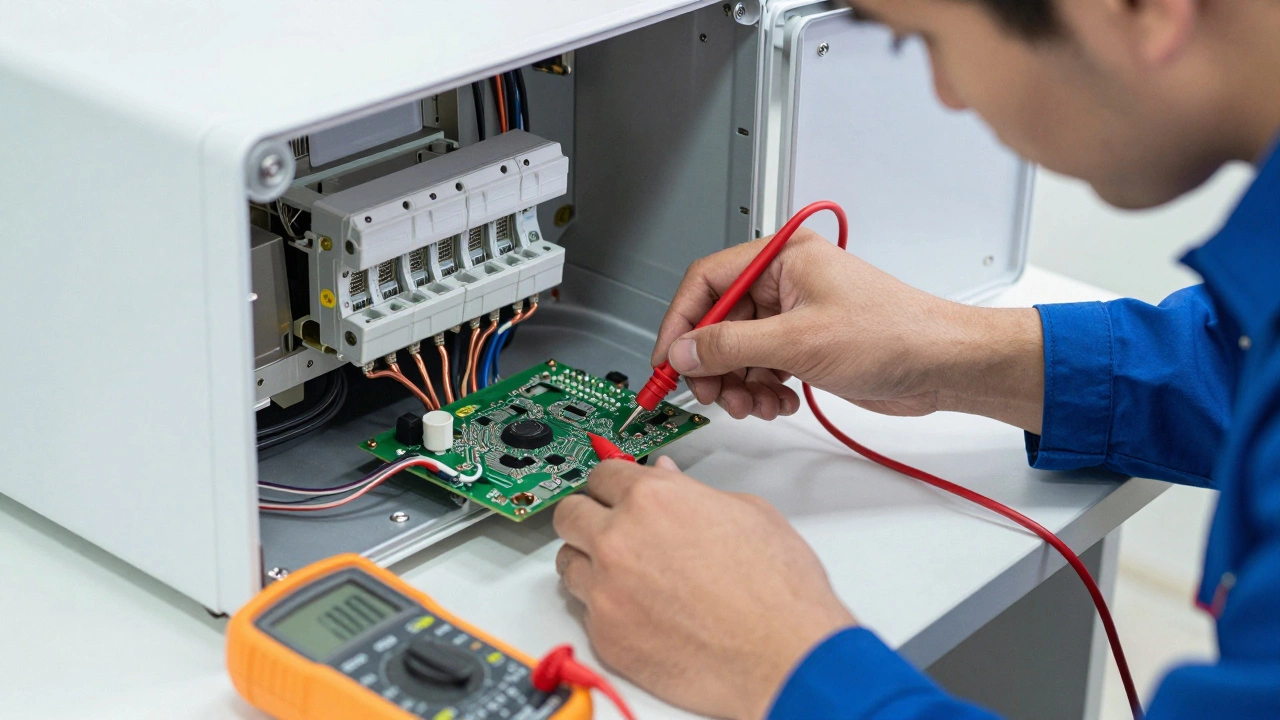
From a repair perspective, the distinction is about the skill set. An Appliance Repair technician is trained in thermodynamics, refrigeration cycles, and high-voltage circuitry. They can fix a leaking dishwasher or a fridge that won't cool. A general electrician can fix the socket the toaster is plugged into, but they might not have the specific parts or knowledge to fix the heating element inside the toaster itself.
When you're looking for help, knowing if your device is a "major appliance" or a "small appliance" helps you find the right pro. You don't call a boiler specialist to fix a toaster, and you don't call a gadget repair shop to fix a 50-gallon water heater. The scale of the machine usually dictates the type of service required.
Common Pitfalls in Categorization
Don't let these common mistakes confuse you. Many people think that if something is "smart," it stops being an appliance. Not true. A smart fridge is still a fridge; it just has a computer attached to it. The core function remains food preservation.
Another common error is confusing "fixtures" with "appliances." A ceiling fan is often considered a fixture because it's permanently attached to the building's structure. However, a portable pedestal fan is a small appliance. The difference is often based on how it's installed. If it's wired directly into the home's electrical system and cannot be easily moved, it's leaning toward being a fixture. If it has a three-prong plug, it's almost certainly an appliance.
Is a microwave considered a major or small appliance?
Most people categorize the microwave as a small appliance because it is portable and plugs into a standard outlet. However, if you have a built-in microwave that is installed into the cabinetry and wired directly into the wall, it is often treated as a major or semi-permanent appliance for insurance and real estate purposes.
Do air conditioners count as appliances?
Yes. A window AC unit is a small appliance, while a central HVAC system is a major appliance. Both use mechanical and electrical components to perform the household function of climate control.
Is a computer an appliance?
Generally, no. Computers, tablets, and smartphones are classified as consumer electronics. Appliances are defined by their ability to perform a physical domestic chore, whereas electronics are used for data, communication, and entertainment.
Are gas-powered stoves still called appliances?
Absolutely. An appliance doesn't have to be electric. Any mechanical device that performs a home task-whether it uses gas, electricity, or oil-is considered an appliance. A gas oven is a classic example of a major appliance.
Why does it matter if a device is a fixture or an appliance?
It matters mostly for legal and financial reasons. In real estate, fixtures (like a built-in dishwasher) usually stay with the house when it's sold, while appliances (like a portable microwave) go with the owner. It also affects which insurance coverage applies to the item.
What to Do When Your Appliance Breaks
If you've identified your device as an appliance and it stops working, your first move should be checking the power source. It sounds basic, but a tripped circuit breaker is responsible for a huge percentage of "broken" appliances. If the power is fine, check the user manual for a troubleshooting guide. Many modern machines have error codes (like "E1" or "F5") that tell you exactly what's wrong.
For major appliances, avoid the temptation to DIY high-voltage repairs. Dealing with a Boiler or an oven's heating element can be dangerous if you aren't trained. For small appliances, check if the item is still under manufacturer warranty. Most small electronics have a one-year limit, after which it's often cheaper to replace the unit than to pay for a professional repair.
If you're dealing with a leak from a washing machine or dishwasher, shut off the water valve immediately before calling a technician. Preventing secondary water damage to your floors is just as important as fixing the appliance itself.