Dryer Decision Analyzer
Input Your Details
Analysis Results
Enter details on the left to compare repair vs. replacement costs.
The Broken Down Moment
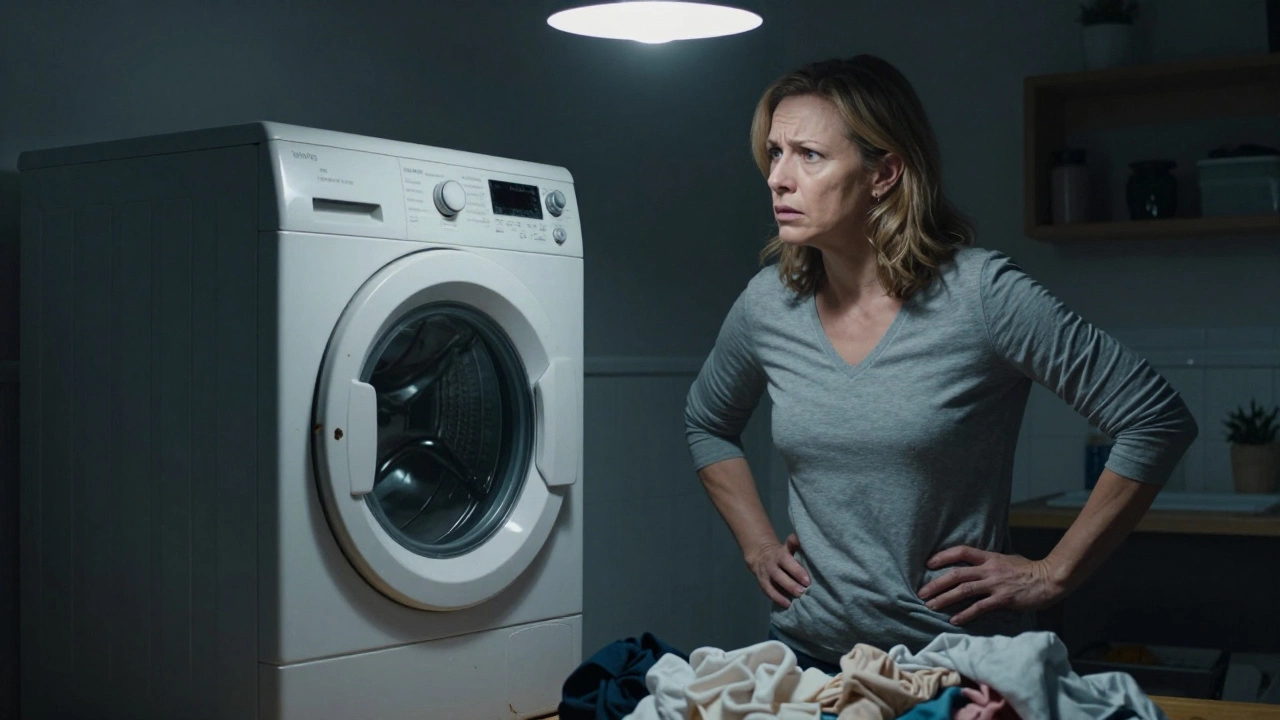
You load the clothes, press start, and nothing happens. Maybe the drum spins but there is no heat. Or perhaps the whole thing shakes violently. You stand there wondering if you should call a technician or head to the store. This is the most frustrating part of owning home appliances. We often treat our Tumble Dryer as a household essential that dries laundry efficiently. The average model lasts between ten to fifteen years. By 2026, many older units are reaching the end of their road. Knowing when to quit repairing and start replacing saves you money and stress.
The Fifty Percent Rule
There is a simple math trick people use in the appliance industry. If the repair quote is more than half the cost of a new machine, you should buy new. This applies especially to dryers built five or more years ago. Why? Because modern technology improves quickly. An older electric heater unit uses significantly more power than the latest heat pump models available today. Paying for a brand new motor or control board can set you back hundreds of dollars. If a professional estimates the service fee plus parts exceeds four hundred New Zealand dollars, do the calculation immediately. Compare that number against the shelf price of a decent mid-range unit. In 2026, basic condenser dryers start around eight hundred dollars, while high-end heat pumps go higher. Spending three hundred on a ten-year-old machine rarely extends its life enough to justify the expense.
Age and Remaining Life Expectancy
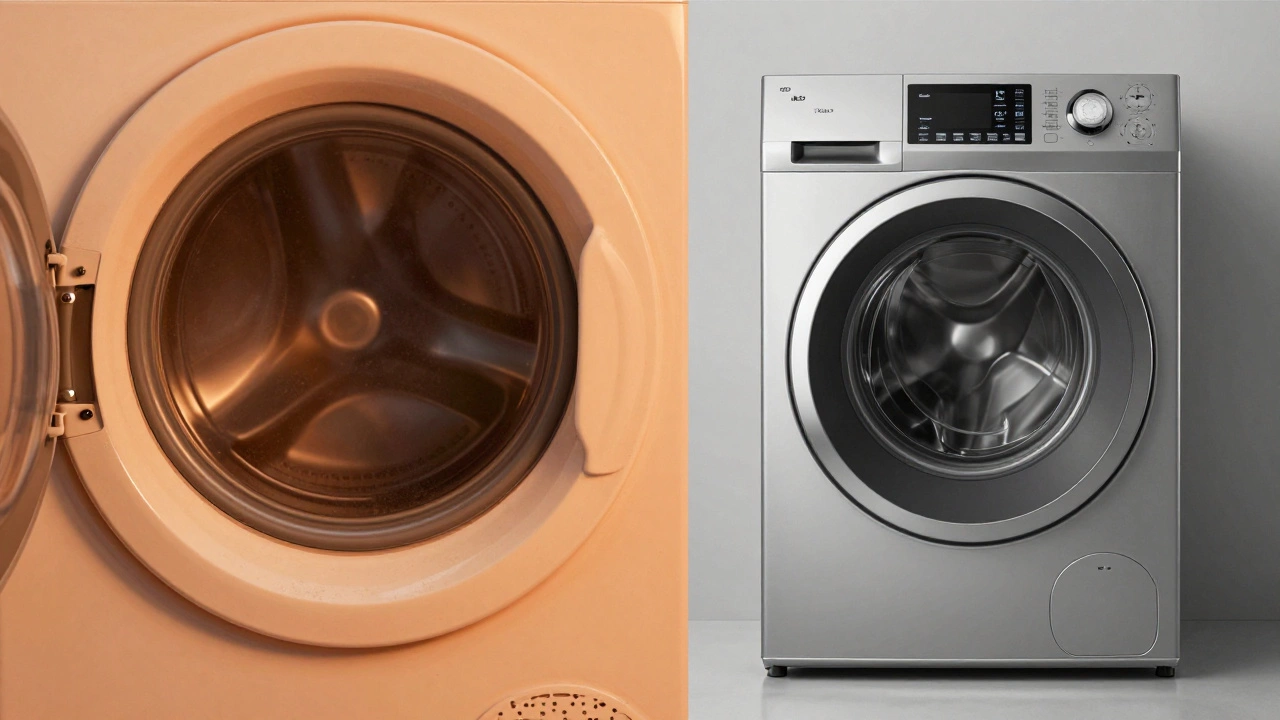
A machine that is twelve years old might run well, but internal components degrade over time. Rubber gaskets crack, plastic wheels wear down, and electrical connections corrode. Even if you replace the faulty Heating Element the component responsible for generating heat during drying cycles , another part might fail shortly after. Older units lack modern safety features found in 2026 standards. New regulations require better temperature regulation to prevent fire hazards. If your appliance lacks these updates, you face higher risk. Consider the age bracket below:
- Less than five years: Almost always worth repairing under warranty.
- Six to ten years: Evaluate the severity of the fault.
- Over ten years: Assume the end of the lifecycle is near.
Technicians see patterns. A ten-year-old machine with a seized bearing often has worn-out sensors too. Fixing one issue leaves others waiting in the wings. It is better to invest in reliability rather than patching holes in a sinking ship.
Parts Availability and Obsolescence
Manufacturers stop producing replacement components once a model series ends. This usually happens five to seven years after production stops. If you cannot find a Thermal Fuse a safety device that cuts power when temperatures exceed safe limits online or through suppliers, your appliance is effectively dead. Some brands still supply parts for twenty years, but budget models change fast. Check the model number on the sticker inside the door. Search for parts before calling a technician. If the supplier says "out of stock," you have your answer. Waiting months for a generic part delays laundry chores unnecessarily. Modern logistics move faster, but obsolescence remains a factor in 2026 markets. Buying used parts carries risk; you never know how long that second-hand sensor will last.
Energy Efficiency Changes
Your electricity bill reflects the performance of your machinery. Old vented dryers consume massive amounts of power compared to Heat Pump Technology a cooling system that recycles air and uses less energy . These systems circulate hot air rather than venting it outside. They cut energy usage by up to fifty percent. Over two years, the savings on your Powerco or Mercury bills can pay for a portion of the new unit cost. Electricity prices in Auckland have risen steadily. Keeping an inefficient gas or electric coil dryer running is essentially burning cash every cycle. Look for the energy rating label. Anything below three stars in 2026 is financially irresponsible to maintain. Switching to a high-efficiency model protects both your wallet and the environment.
Recurring Malfunctions
One breakdown is bad luck. Two breakdowns suggest underlying systemic failure. If the same unit has been repaired twice in eighteen months, do not fix it again. The cost adds up quickly. Service fees alone can reach three hundred dollars per visit. Labor costs remain high in New Zealand skilled trades. Sometimes the issue lies in installation or house wiring, but if diagnostics repeatedly point to internal faults, the machine is tired. Owners often feel a sense of loyalty to old gear. However, sentiment does not dry socks. Consistent failure indicates design flaws or heavy wear. Moving on prevents future emergencies when you desperately need clean linens.
| Factor | Old Unit (Repair) | New Unit (Replace) |
|---|---|---|
| Upfront Cost | $300 - $600 | $800 - $1,500 |
| Annual Energy Cost | $150 - $250 | $60 - $100 |
| Lifespan Expectation | 1 - 3 Years | 10 - 15 Years |
| Warranty Coverage | Usually None | 1 - 5 Years |
Safety Risks of Aging Machines
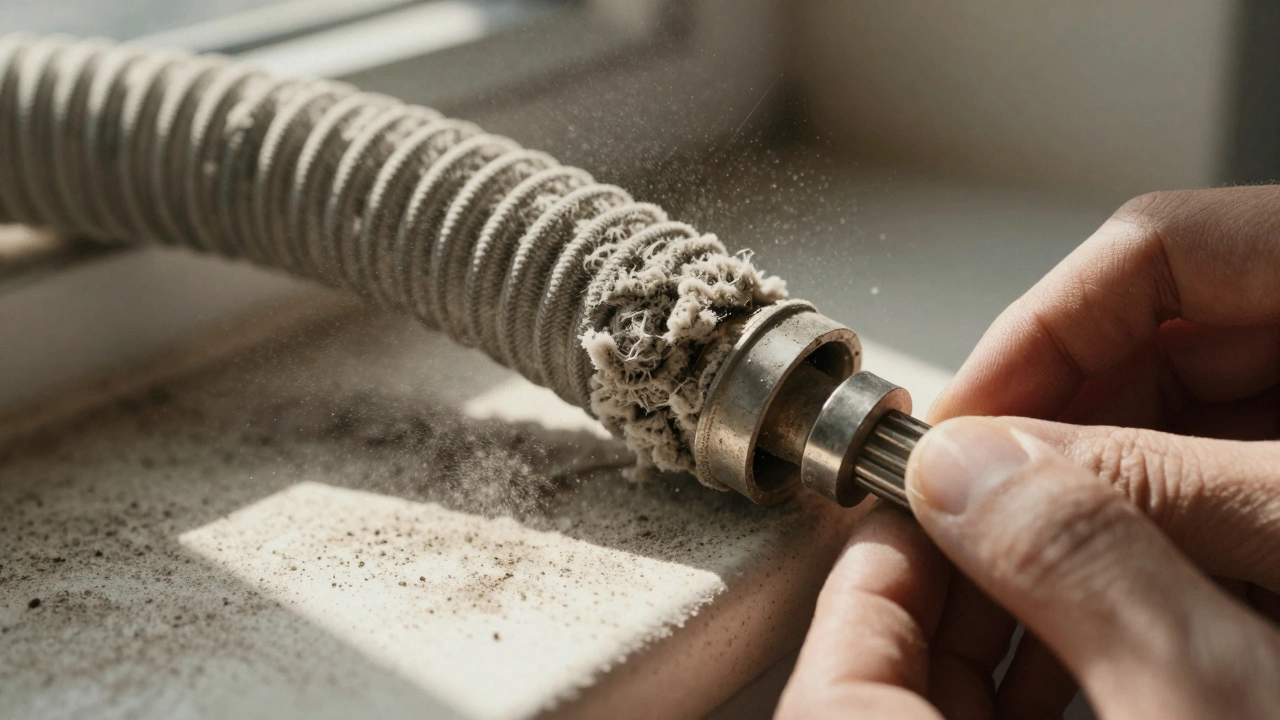
Fires related to Ventilation Hose the duct that exhausts moist air from the dryer to outside clogging are common. Lint buildup creates blockages that trap heat. If the thermal cutoff fails, ignition can occur. Inspect your hose annually. If the lint filter works perfectly but fires happen anyway, replace the unit. Electrical shorts in old wiring pose shock risks too. Ground faults interrupter devices work better on new appliances. Safety outweighs saving money on repairs. Protecting your home and family comes first. Never ignore smells of burning plastic or smoke coming from the cabinet. These signals mean immediate action is required.
Environmental Impact
We talk about green living often. Keeping inefficient machines contradicts that goal. Manufacturing a new unit has a carbon footprint, yes. But running an old coal-powered equivalent daily contributes more pollution over time. Recycling programs exist in many regions. Old copper and steel can be reclaimed. Many retailers offer trade-ins. Check with local recycling centers in Auckland. Disposing of large white goods properly ensures hazardous materials do not enter landfill. This aligns with broader sustainability goals we aim for in 2026 and beyond.
Next Steps for Decision Makers
If you decide the unit is salvageable, find a licensed technician. Ask for a written quote upfront. Verify warranty terms on parts and labor. Ensure they use original manufacturer parts when possible. If you decide to replace, measure your space. Check ventilation clearance requirements. Newer models are compact but may require different vent sizes. Budget for removal of the old unit and delivery of the new one. Some shops charge extra for haul-away services. Plan ahead to avoid last-minute scrambling.
Is it cheaper to repair a dryer or buy a new one?
If the repair cost exceeds 50% of the price of a new unit, buying new is usually more economical. You also gain better energy efficiency and a fresh warranty period with replacement.
How long does a tumble dryer typically last?
Most residential dryers last between ten and fifteen years with regular maintenance. Neglecting cleaning tasks reduces this lifespan significantly.
What are the signs a dryer needs replacing?
Signs include frequent breakdowns, excessive vibration, loud noises, burning smells, and difficulty finding replacement parts for your specific model number.
Do heat pump dryers save money in New Zealand?
Yes, heat pump dryers use roughly half the electricity of conventional models. With current energy rates, they save significant money over their lifetime.
Can I dispose of my old dryer for free?
Many retailers offer haul-away services for free when you buy a new appliance, otherwise check local council bulky waste collection schedules.