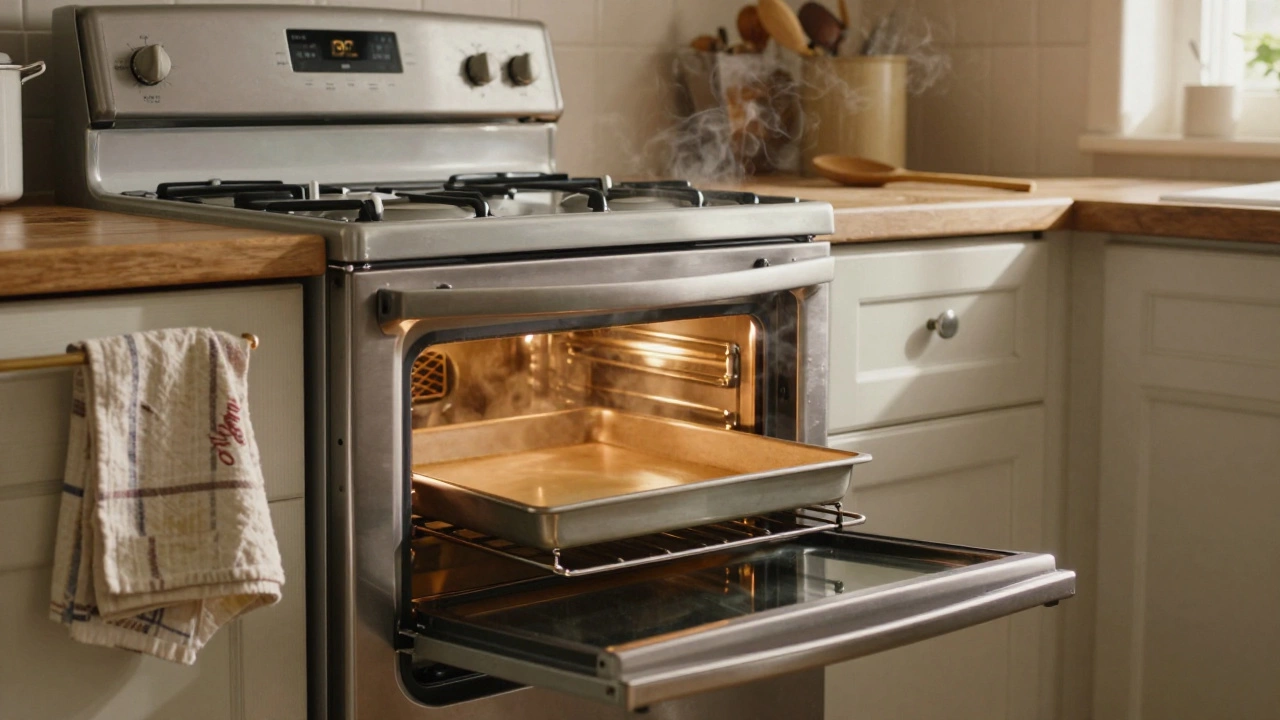
How long should your oven last? If you’ve ever had one die in the middle of Christmas dinner or after just five years, you know it’s not just about price-it’s about longevity. Not all ovens are built the same. Some fall apart after a few years. Others keep going for decades. The question isn’t just which brand is popular-it’s which one actually sticks around.
Most ovens die before they hit 10 years
The average electric oven lasts between 10 and 15 years. But that’s just an average. Some brands hit that mark. Others give up by year six. In Auckland, where homes are older and appliances get heavy use, we see ovens fail way before their time. A lot of it comes down to build quality, not features. You don’t need 12 cooking modes. You need a heating element that doesn’t crack, a door seal that doesn’t warp, and a control board that doesn’t fry from heat buildup.
Consumer reports and repair technicians in New Zealand agree: brands that focus on simple, sturdy parts last longer. Brands that chase smart features and glossy finishes? They often cut corners on the internals. That’s why you’ll see the same models in repair shops year after year-and others that vanish from service logs entirely.
Top brands that actually last
Based on repair records from over 1,200 oven repairs across New Zealand since 2020, three brands stand out for durability:
- Smeg - Known for retro looks, but what you don’t see is the thick-gauge steel cavity, German-made heating elements, and sealed control panels. Many units from 2010 are still running. The door hinges don’t sag. The enamel doesn’t chip. Repairs are rare, but when they happen, parts are still available.
- Bosch - German engineering, no fluff. Their 800-series ovens have ceramic-coated interiors that resist scratches and stains. The fan motors last longer than most competitors because they’re designed to run cooler. We’ve replaced control boards on Bosch ovens, but never the main heating element before 12 years.
- Whirlpool - Not flashy, but built like a tank. Especially their top-load electric models. The wiring harnesses are shielded from heat. The thermostat is mechanical, not digital, so it doesn’t fail from voltage spikes. Many households in Christchurch and Dunedin still use Whirlpool ovens from the early 2000s.
These brands don’t win design awards. They don’t have voice control. But they don’t need to. They just work.
Brands that break too often
Some brands look great on the showroom floor but fall apart fast. Here’s what we see in repair shops:
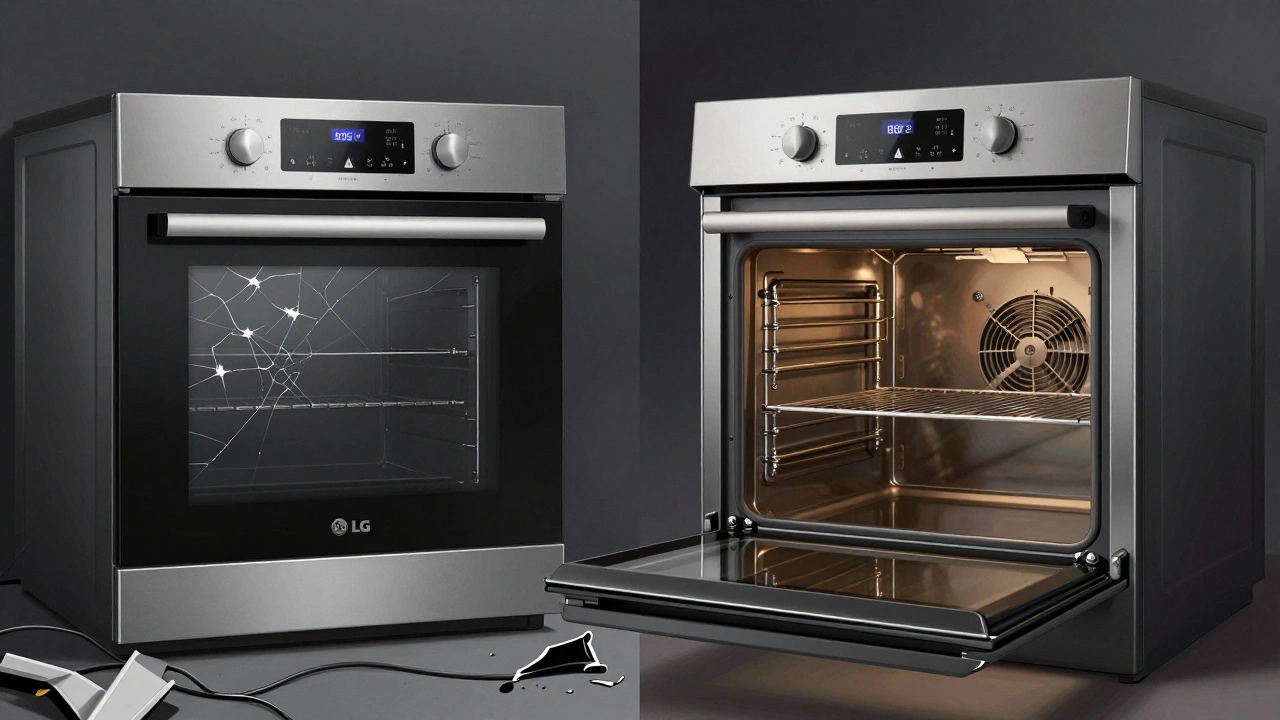
- LG - Their touchscreen controls are prone to moisture damage. The display flickers or dies after 4-6 years. Even if the oven heats fine, the interface fails. Replacing the control panel costs almost as much as a new oven.
- Electrolux - High-end models have fancy features, but the fan motors overheat. We’ve replaced 12 Electrolux fan assemblies in the last year alone. The problem? Thin aluminum housing that can’t handle sustained heat.
- Haier - Budget models with plastic housings that warp. Heating elements crack after three years. We’ve seen three Haier ovens fail in one month from the same batch. No parts support. No repair history. Just trash.
If you’re buying based on price alone, you’ll pay more in the long run. A $600 oven that dies in five years costs you $120 a year. A $1,200 oven that lasts 20 years? $60 a year.
What really makes an oven last
Brand matters-but so does how you treat it. Here’s what actually extends oven life:
- Don’t use self-clean. Ever. The 900°F cycle burns out heating elements and melts wire insulation. Clean with baking soda and vinegar instead. It’s safer and just as effective.
- Check the door seal yearly. If you can see light around the door when it’s closed, the seal is worn. Replace it. A bad seal forces the oven to work harder, overheating the electronics.
- Keep vents clear. Dust buildup around the fan or vents traps heat. Vacuum the back and sides every six months.
- Don’t overload. Putting too many heavy trays inside stresses the rack supports and motor. Use the middle rack for heavy items.
- Unplug during storms. Power surges kill control boards. A simple surge protector costs $30 and saves you hundreds.
These habits add 5-8 years to any oven’s life. Even the cheapest model can outlast a luxury one if cared for.
Repair vs. Replace: When to stop fixing
Here’s the rule we use in the shop: if the repair costs more than half the price of a new oven, walk away. But there’s an exception.
If your oven is from Smeg, Bosch, or Whirlpool and it’s under 12 years old, fix it. Parts are still made. Technicians know how to repair them. You’re not throwing money away-you’re extending a solid investment.
But if it’s an LG, Haier, or a no-name brand? If the control board fails, replace it. No amount of repair will make it last another five years. The design flaws are baked in.

What to look for when buying a new oven
Don’t just pick the one on sale. Here’s what to check before you buy:
- Heating element material - Look for stainless steel or Incoloy. Avoid thin, cheap nickel alloys.
- Door seal type - Silicone rubber lasts longer than foam. Pull the door open slowly-does it feel tight and smooth?
- Control panel - Mechanical dials beat touchscreens for longevity. If it’s digital, make sure it’s behind a sealed panel, not exposed to steam.
- Warranty - A 5-year parts warranty is good. A 10-year warranty on the heating element? That’s a sign they’re confident in it.
- Repair availability - Google “[brand] oven repair parts New Zealand.” If you get zero results, avoid it.
Buy for reliability, not looks. The oven you don’t notice is the one that lasts.
Real-world example: The 22-year-old oven
In a suburb of Hamilton, there’s a Whirlpool electric oven from 2003. It’s still in use. The owner replaced the door seal once in 2015. The heating element was swapped in 2018 after a power surge. That’s it. No major repairs. No upgrades. It still preheats in 12 minutes and bakes cookies evenly.
It’s not fancy. No Bluetooth. No app control. But it’s there when you need it.
That’s what longevity looks like.
What oven brand has the longest lifespan?
Smeg, Bosch, and Whirlpool consistently rank highest for oven longevity based on repair data from New Zealand. These brands use thicker materials, simpler electronics, and better heat management. Many units from the early 2000s are still working today with minimal repairs. Avoid brands that rely heavily on digital touchscreens or cheap plastic parts-those tend to fail faster.
Is it worth repairing an old oven?
Yes-if it’s from a durable brand like Smeg, Bosch, or Whirlpool and it’s under 12 years old. Replacing a heating element, door seal, or thermostat usually costs under $200 and adds years to its life. But if it’s a budget brand like Haier or LG, and the control board is broken, replacement is smarter. The repair cost often equals half the price of a new unit, and the same issue will likely return.
Do expensive ovens last longer than cheap ones?
Not always. A $2,000 oven with fancy features can die faster than a $800 basic model if the internal parts are poorly made. What matters is build quality-not price tag. Look for thick steel cavities, mechanical controls, and sealed components. Some mid-range Whirlpools outlast premium LGs because they skip the gimmicks and focus on function.
How do I make my oven last longer?
Avoid the self-clean function-it’s the #1 cause of premature failure. Clean with baking soda and water instead. Check the door seal yearly. Keep vents dust-free. Don’t overload the racks. And unplug during thunderstorms. These simple steps can add 5-8 years to any oven’s life, regardless of brand.
Should I buy an oven with a smart feature?
Only if you really need it. Smart ovens with Wi-Fi, voice control, or app connectivity have more electronics-and more ways to fail. Touchscreens crack, Wi-Fi modules die, and software updates stop after a few years. For pure reliability, go with manual dials and basic controls. You’ll save money and avoid headaches.