Hot Water Heater Troubleshooter
Select your heater type and describe the problem. This tool will guide you through the most common causes based on Auckland's water conditions and typical heater issues.
1. Select your water heater type
If your hot water heater won’t kick on, you’re not alone. Every winter in Auckland, dozens of homeowners wake up to cold showers and panic because the heater just won’t turn on. It’s not always a broken unit-sometimes it’s something simple you can fix yourself. But if you skip the basics, you might end up paying for a replacement you don’t need.
Check the power first-yes, really
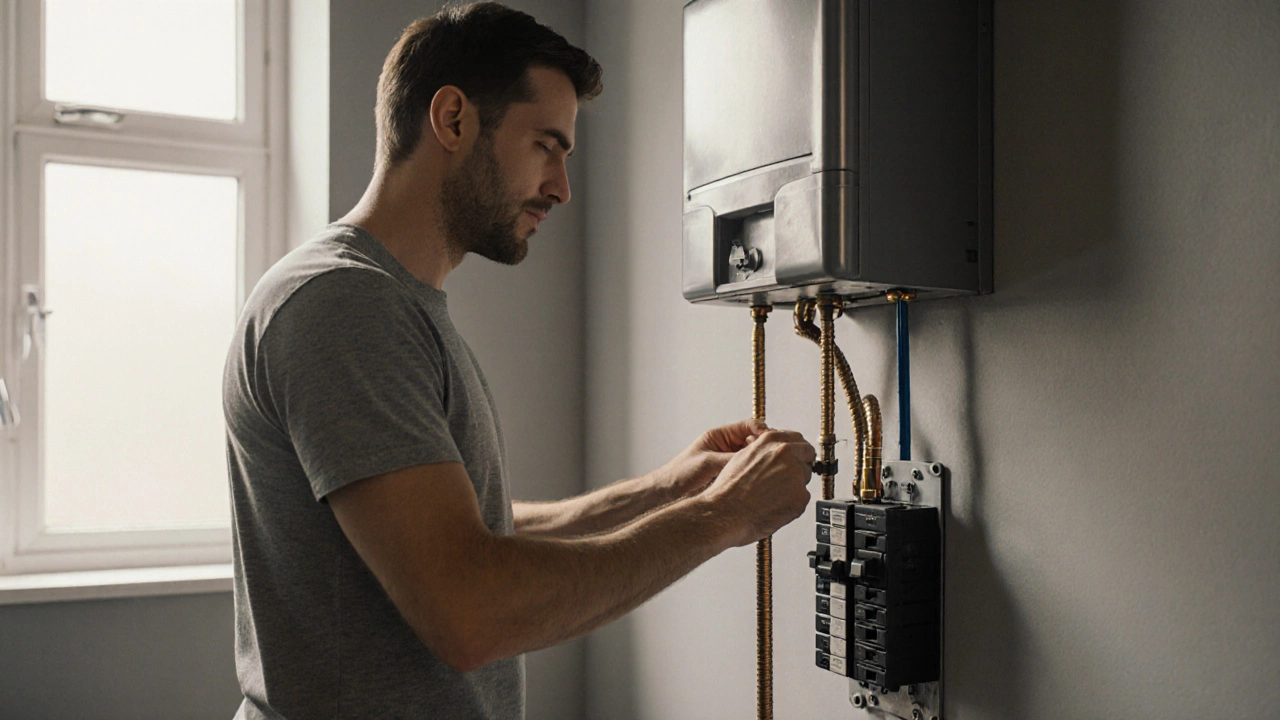
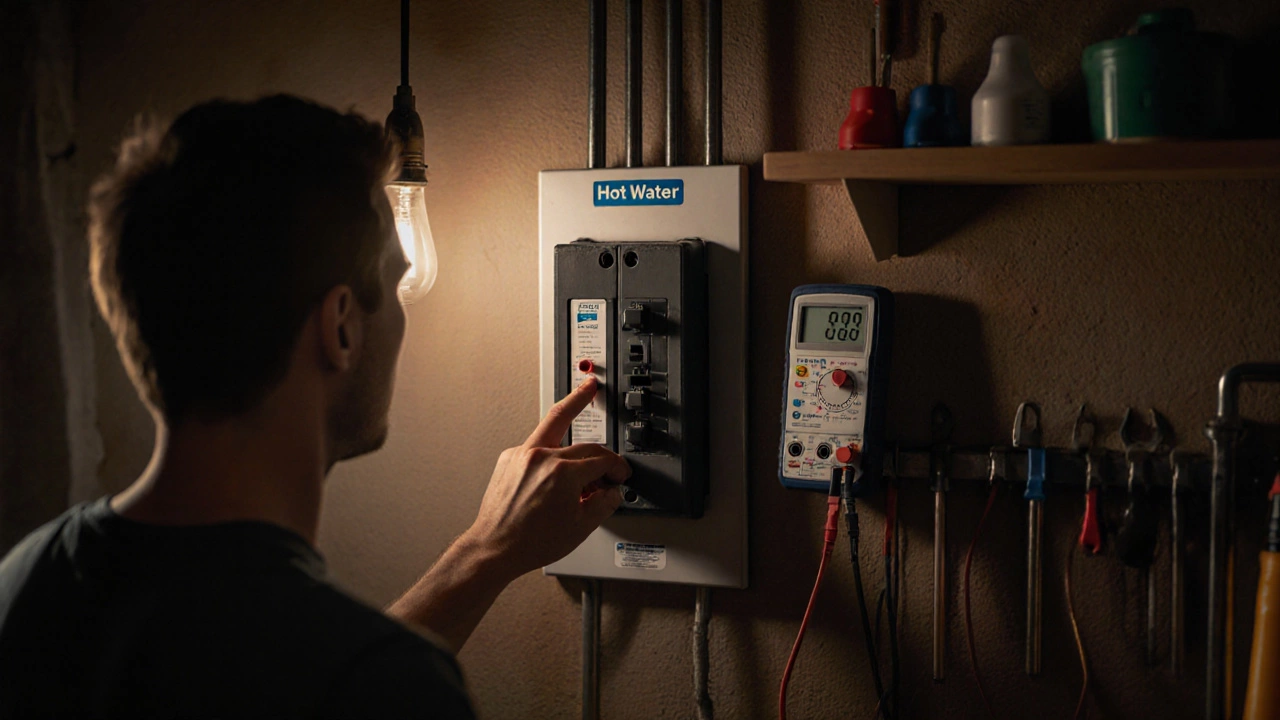
For electric water heaters, the most common reason it won’t turn on is that it’s not getting power. Start at the circuit breaker. Go to your switchboard and look for the breaker labeled "water heater" or "hot water." If it’s tripped, reset it. If it trips again right away, don’t keep resetting it. That’s a sign of a serious fault-like a short in the heating element or wiring-and you’ll need an electrician.
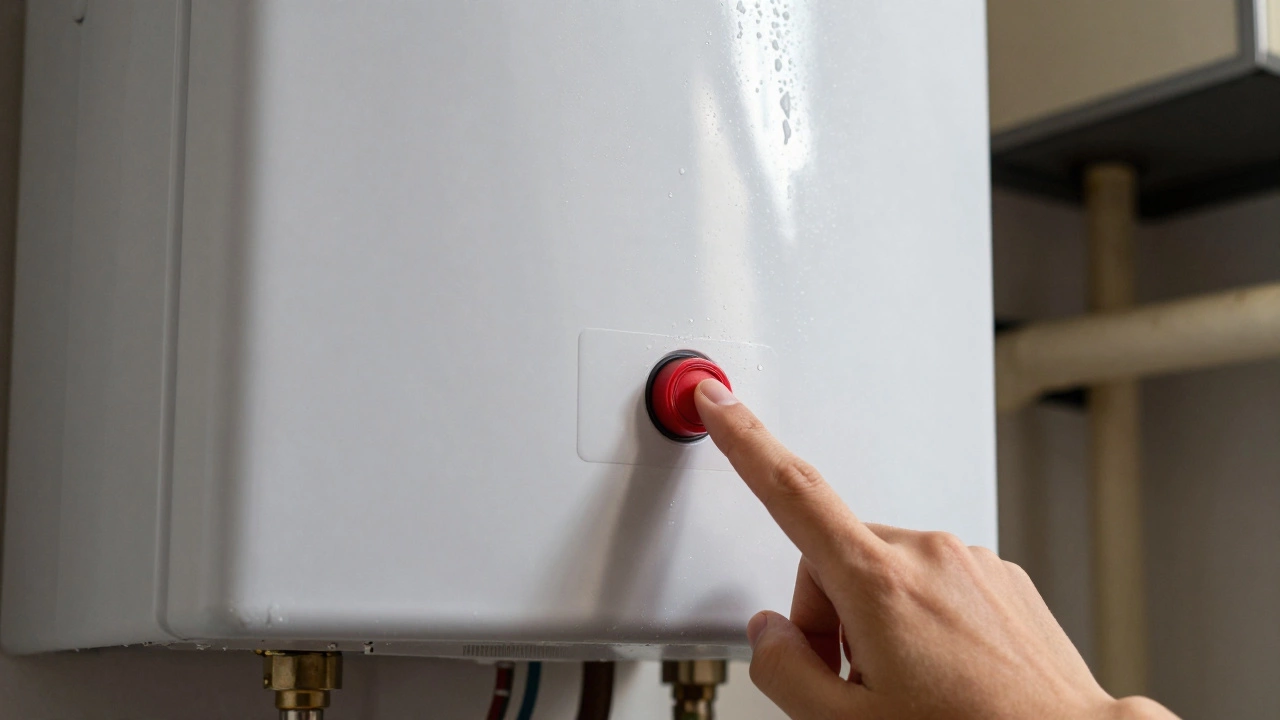
Some older units have a separate reset button on the thermostat. It’s usually red and tucked under a cover on the side of the tank. Press it firmly. If it clicks, that was your problem. If it doesn’t click or pops right back out, the thermostat or element is likely faulty.
Don’t assume the breaker is fine just because it looks on. Test it with a multimeter if you have one. A breaker can look normal but still be dead on one side. If you don’t have one, don’t guess-call a professional.
Gas water heaters don’t need electricity… but they still might not light
If you’ve got a gas water heater, the issue isn’t power-it’s the pilot light or electronic ignition. Check if the pilot light is out. Look through the access panel near the bottom of the tank. If you see no flame, that’s your problem.
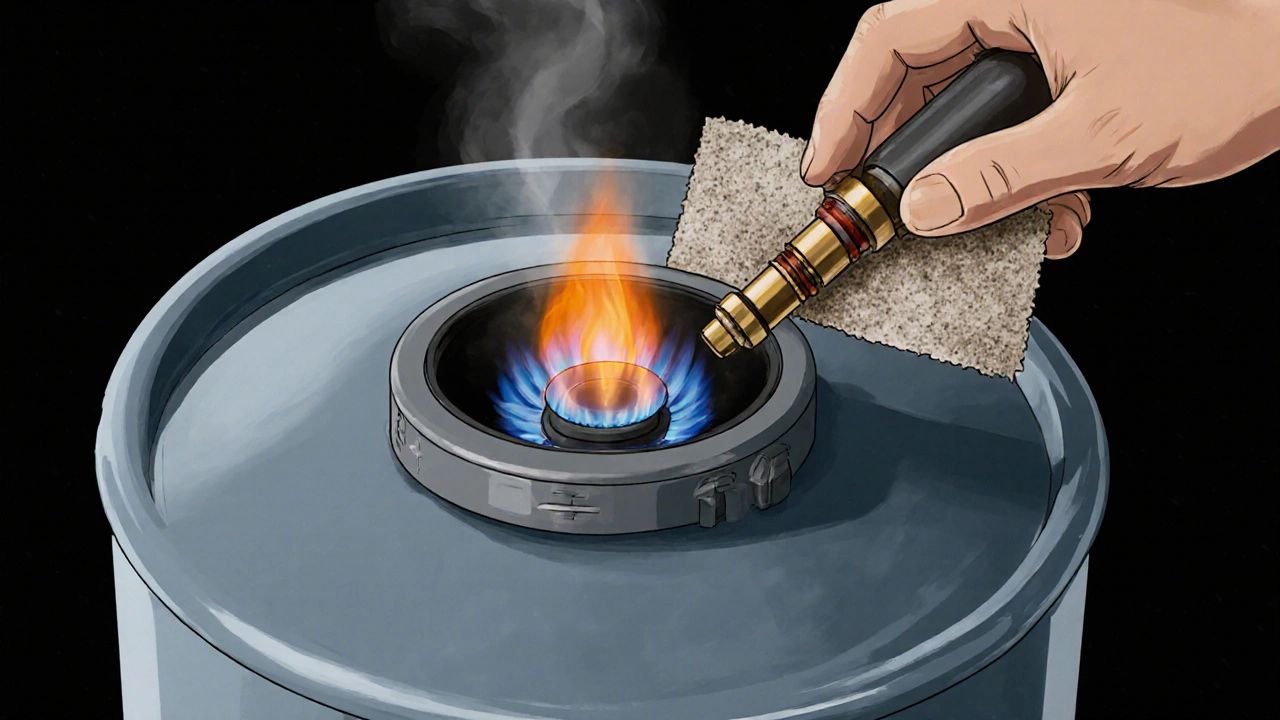
Before relighting, make sure the gas control valve is set to "Pilot." Turn the knob to "Off," wait five minutes for gas to clear, then follow the relighting instructions printed on the tank. If the pilot won’t stay lit after you hold the button down for 30 seconds, the thermocouple is probably bad. It’s a small copper tube that senses flame. If it’s dirty or worn, it won’t signal the gas valve to stay open.
Try cleaning the thermocouple with fine sandpaper. If that doesn’t work, replace it. They cost under $30 and are easy to swap. If the pilot still won’t light after replacing it, the gas valve itself may be faulty. That’s not a DIY fix. Gas leaks are dangerous. Call a licensed gas fitter.
Thermostat settings are often the culprit
People turn down their water heater temperature to save energy. But if it’s set below 50°C, you might not notice the water is warm-until you step into the shower and realize it’s barely lukewarm. The heater might be working, but the output feels like it’s not.
Check the thermostat dial. Most units have two thermostats (upper and lower) for electric models. If one fails, the other might still heat water, but not enough to fill the tank. You’ll get hot water for a few minutes, then nothing. That’s a classic sign of a bad upper thermostat.
Resetting the thermostat won’t fix a broken one. If you’ve ruled out power and pilot issues, and the water is still cold, the thermostat likely needs replacing. Electric water heater thermostats are cheap and easy to swap. Just turn off the power, take a photo of the wiring before you disconnect it, and match the new one exactly.
Heating elements burn out-especially in hard water areas
Auckland has moderately hard water. That means minerals build up inside your tank over time. That sludge coats the heating elements, making them work harder. Eventually, they overheat and burn out.
If your water heater is over 8 years old and you’ve never flushed it, sediment is probably the main issue. You can test the elements with a multimeter. Set it to ohms (Ω), disconnect the wires, and touch the probes to the element terminals. If you get no reading or infinite resistance, the element is dead.
Replacing an element isn’t hard. Drain the tank, remove the old one, and screw in the new. Use a new gasket. Tighten it snugly but don’t over-torque-it’ll crack. Once it’s in, refill the tank completely before turning the power back on. Running the heater dry for even a few seconds can destroy the new element.
Pressure relief valve or dip tube problems can mimic failure
Some people think their heater isn’t working because the water isn’t hot enough. But sometimes, the problem isn’t the heater-it’s the hot water being mixed with cold before it reaches the tap.
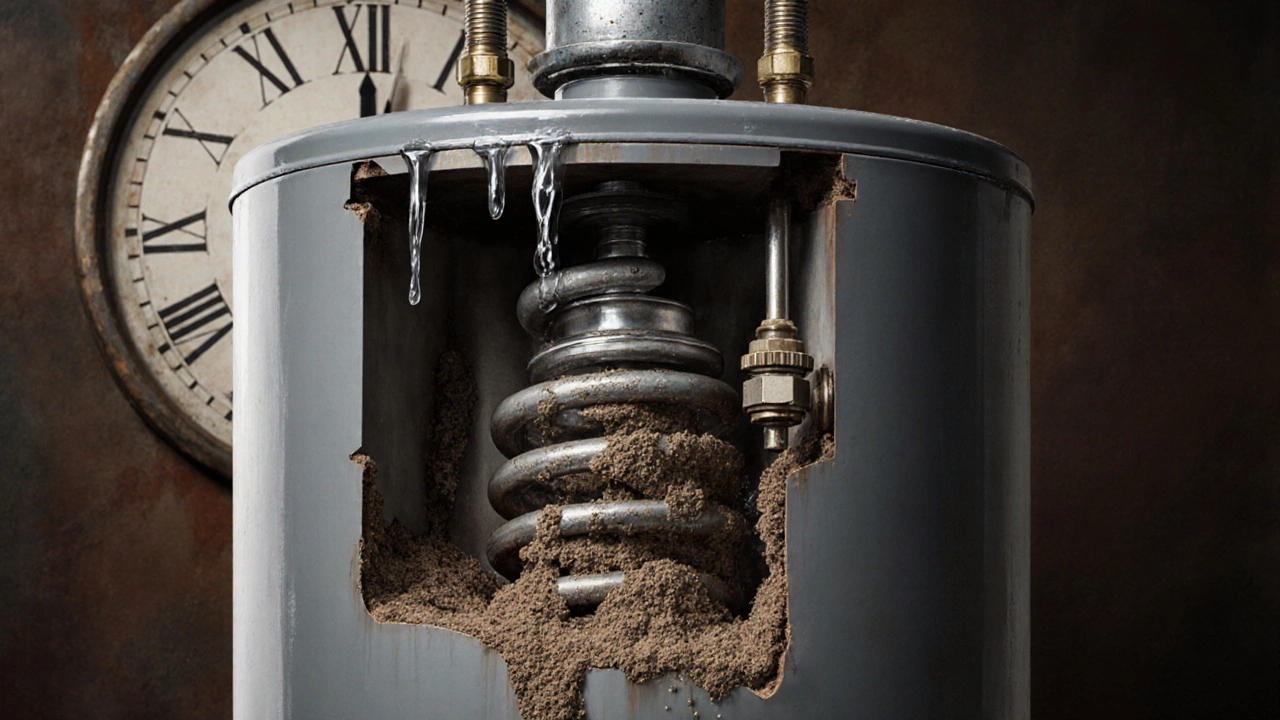
A broken dip tube (the long plastic pipe that sends cold water to the bottom of the tank) can cause cold water to mix with hot water right at the top. You’ll get a short burst of hot water, then it turns cold. This is common in units older than 10 years. The dip tube disintegrates over time, especially if the water is acidic.
Check the pressure relief valve. If it’s leaking constantly, it might be dumping hot water before it reaches the outlet. That’s a safety feature-but if it’s faulty, it can drain your tank. Replace it if it’s dripping or doesn’t snap shut after testing.
Age and wear: When to replace instead of repair
If your water heater is over 10 years old, and you’re dealing with multiple issues-no power, no pilot, bad elements, leaks-it’s probably time to replace it. Repairing a 12-year-old heater is like patching a leaky roof with duct tape. It might hold for a few weeks, but you’re just delaying the inevitable.
New electric water heaters in New Zealand now come with heat pump or solar-assisted models. They’re more expensive upfront but cut energy bills by 60% over time. If you’re replacing, consider upgrading. The government offers rebates for energy-efficient models under the Warm Up New Zealand: Heat Smart programme.
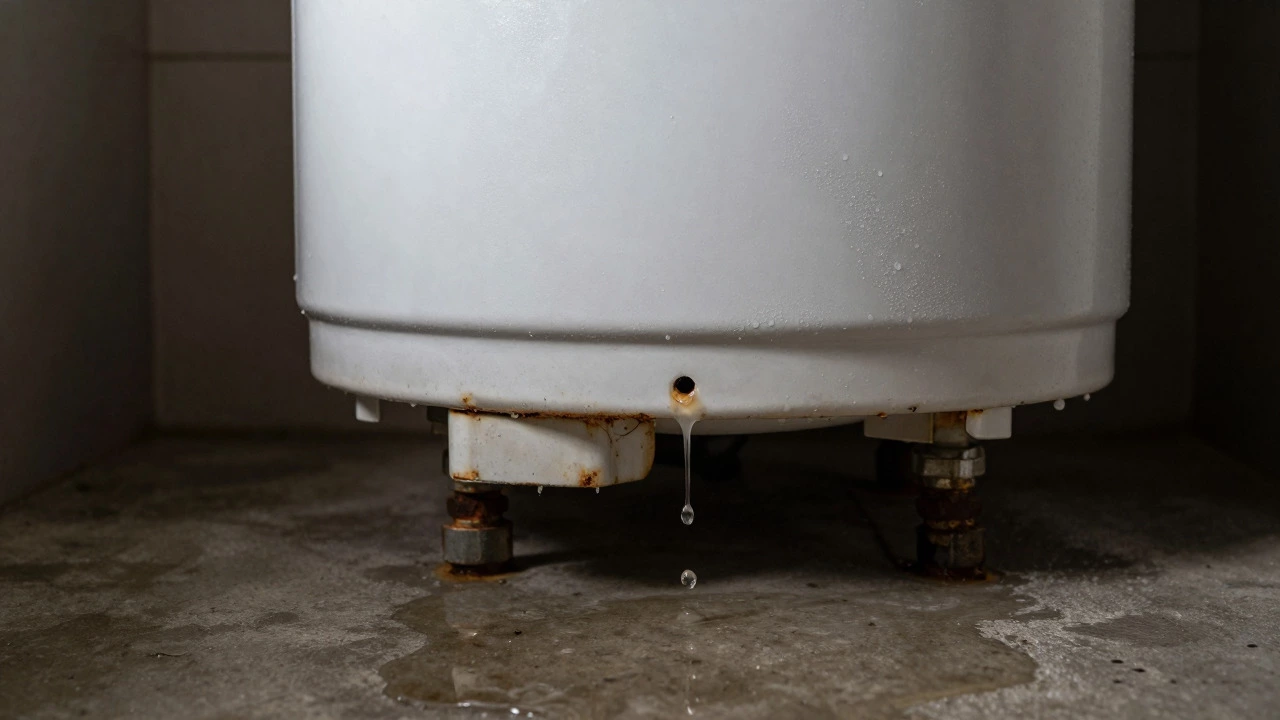
Don’t wait until it bursts. Signs you need a new one: rust on the tank, water pooling around the base, strange noises (like popping or rumbling), or if it takes longer than 30 minutes to heat up after being turned off.
Quick checklist: What to check before calling a pro
- Is the circuit breaker tripped? Reset it.
- Is the reset button on the thermostat pressed? Try pressing it.
- For gas units: Is the pilot light lit? If not, relight it.
- Is the gas valve set to "On" and not "Pilot" or "Off"?
- Is the thermostat set above 50°C?
- Is the water heater making any noise? No sound could mean no power or a dead element.
- Is there rust or water around the base of the tank?
- Is the unit over 8 years old? If yes, sediment buildup is likely.
If you’ve gone through all these steps and the heater still won’t kick on, don’t risk it. Call a licensed plumber or electrician. Water heaters can be dangerous if mishandled-electrical shocks, gas leaks, or scalding water are real risks.
Why does my hot water heater turn on but not heat the water?
If the heater turns on but doesn’t heat water, the heating elements or gas burner aren’t working properly. For electric models, one or both elements may be burnt out. For gas models, the burner might be clogged or the thermocouple isn’t signaling the gas valve. Test the elements with a multimeter or check the pilot flame. If you’re unsure, don’t guess-call a professional.
Can a tripped breaker cause no hot water?
Yes. A tripped breaker cuts power to the entire water heater. If the breaker is off, the heater can’t run. Resetting it often fixes the issue. But if it trips again, there’s a short circuit in the wiring or heating element. That’s not something to ignore-keep resetting it and you risk fire or damage to your switchboard.
How do I know if my thermocouple is bad?
If your gas water heater’s pilot light won’t stay lit after you release the gas knob, the thermocouple is likely faulty. It’s a safety device that shuts off gas if the flame goes out. A dirty or worn thermocouple won’t sense the flame properly. Clean it with sandpaper or replace it. New ones cost under $30 and take 15 minutes to install.
Should I flush my water heater if it’s not heating?
Yes-if your heater is over 5 years old and you’ve never flushed it. Sediment buildup insulates the heating elements, making them overheat and fail. Flushing removes the sludge and can restore efficiency. Drain the tank using the bottom valve, let it run until the water is clear. Do this once a year to extend the life of your unit.
Is it safe to replace a water heater element myself?
Yes, if you’re comfortable with basic tools and electrical safety. Turn off the power at the breaker. Drain the tank completely. Take a photo of the wiring before disconnecting. Match the new element’s wattage and voltage exactly. Install a new gasket. Refill the tank before turning the power back on. If you’re unsure, hire a professional. A mistake can fry the new element or cause a shock.
What to do next
Start with the checklist. Most of the time, the fix is simple: reset the breaker, relight the pilot, or replace a thermostat. If you’ve tried everything and still have no hot water, don’t waste time. Call a local plumber who specializes in water heaters. In Auckland, many offer same-day service. Don’t wait for a leak to turn into a flood.
And if you’re thinking about replacing your heater, now’s a good time. New models are more efficient, quieter, and some even qualify for government rebates. You’ll save money over time-and never have to wonder why your shower went cold again.