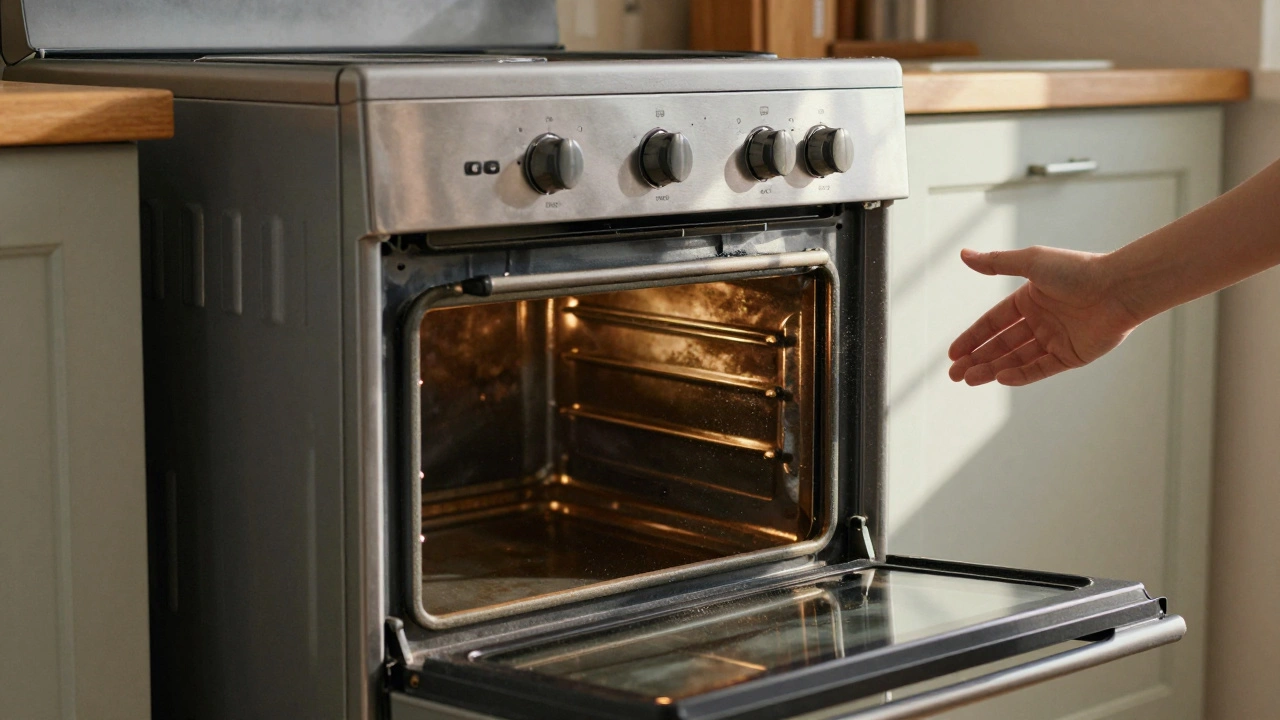
Electric Oven Repair Viability Calculator
• Element: ~$150
• Control Board: ~$400
• Thermostat: ~$120
How This Works
The 50% Rule:
If your repair bill exceeds half the price of a new unit, replacement is usually smarter.
The Age Factor:
If your oven is over 10 years old, we advise caution due to potential "chain reaction" failures.
Imagine you are planning a special dinner, you preheat the kitchen, and nothing happens. The light won’t come on, or the temperature doesn’t hold. Panic sets in because you assume you need a brand new appliance right away. Before you buy, there is a very real chance your machine is salvageable. Most of these units last between ten and fifteen years with basic care.
Electric Ovenis a kitchen appliance that uses electricity to heat food through thermal convection and conduction. Unlike gas models, they rely on specific electrical components that are often easier to diagnose when things go wrong. If you live in Auckland or anywhere else, understanding the mechanics helps you avoid throwing money away unnecessarily. Many owners simply swap out a part that cost fifty dollars instead of buying a thousand-dollar replacement.
The Short Answer on Feasibility
Yes, repairs are frequently possible. The electronics inside modern ovens are modular. If the motor stops working, you replace the motor. If the sensor fails, you replace the sensor. However, feasibility depends heavily on age and cost. A ten-year-old unit with a blown control board might cost more to fix than a new one. We need to look at the numbers to make this decision rational.
There is a rule of thumb we use in the trade. If the repair cost exceeds fifty percent of the price of a comparable new unit, replacement is usually the smarter financial choice. However, if the issue is something like a door seal leaking heat, the fix is minimal. You save money and waste less landfill space by fixing it.
| Component Issue | Avg Repair Cost | New Unit Price | Recommendation |
|---|---|---|---|
| Baking Element | $100 - $250 | $600+ | Repair |
| Control Board | $300 - $500 | $800+ | Assess Age |
| Door Hinges | $80 - $150 | $700+ | Repair |
| Major Circuit Failure | $400+ | $1000+ | Replace |
Notice how a simple element change is almost always worth it. But when the brain of the machine dies, you have to weigh the age of the unit. Manufacturers design these devices to be durable, but supply chains matter. If parts are discontinued for your specific model, a professional technician might tell you to upgrade anyway.
Common Breakdowns That Are Easily Fixed
Most failures stem from wear and tear on high-stress components. Knowing these helps you communicate better with anyone coming to your home for service. Here are the culprits you should watch for.
- The Baking Element: This is the coil at the bottom. If it glows red unevenly or burns food, the nickel-chrome wire inside snapped. You can visually inspect this. If it looks bent or blackened in spots, it needs swapping.
- The Broil Element: Located at the top, this gets incredibly hot quickly. If you cannot get the broil setting to engage, check for cracks in the tube. Even hairline cracks cause failure.
- The Thermostat: This controls the temperature stability. Does your cake burn on one side? Is the oven running forty degrees hotter than the dial? A calibration test using a standalone thermometer reveals if the Thermostatis a device used to regulate the temperature of the heating element is drifting.
- The Door Seal (Gasket): Over time, the rubber or fiberglass strip loses elasticity. Hot air escapes around the edges. This makes the machine work harder, driving up your energy bill significantly.
- The Control Board: These are printed circuit boards that manage inputs. Moisture or power surges kill them. If your buttons are unresponsive or the display flashes random codes, the board is likely fried.
It is important to note that some issues aren’t immediate catastrophes. An oven that won’t stay on might just have a faulty relay. Technicians can swap these relays individually rather than replacing the entire console panel. This distinction saves hundreds of dollars over time.
Why Age Matters More Than Symptoms
You might think a symptom determines the fix, but the timeline dictates the strategy. Appliances degrade internally even when they appear to work fine. Wires insulation hardens, connections oxidize, and metal fatigues under heat cycles. If your unit is older than twelve years, the risk of secondary failures rises sharply.
Consider the scenario where you replace a heating element today. Six months later, the capacitor blows because the wiring harness has rotted behind the wall panels. Now you paid twice for diagnosis. A good technician will warn you about this possibility before starting work. It is wise to ask them about potential chain reactions before authorizing the bill.
Danger Zones: Why DIY Isn’t Always Safe
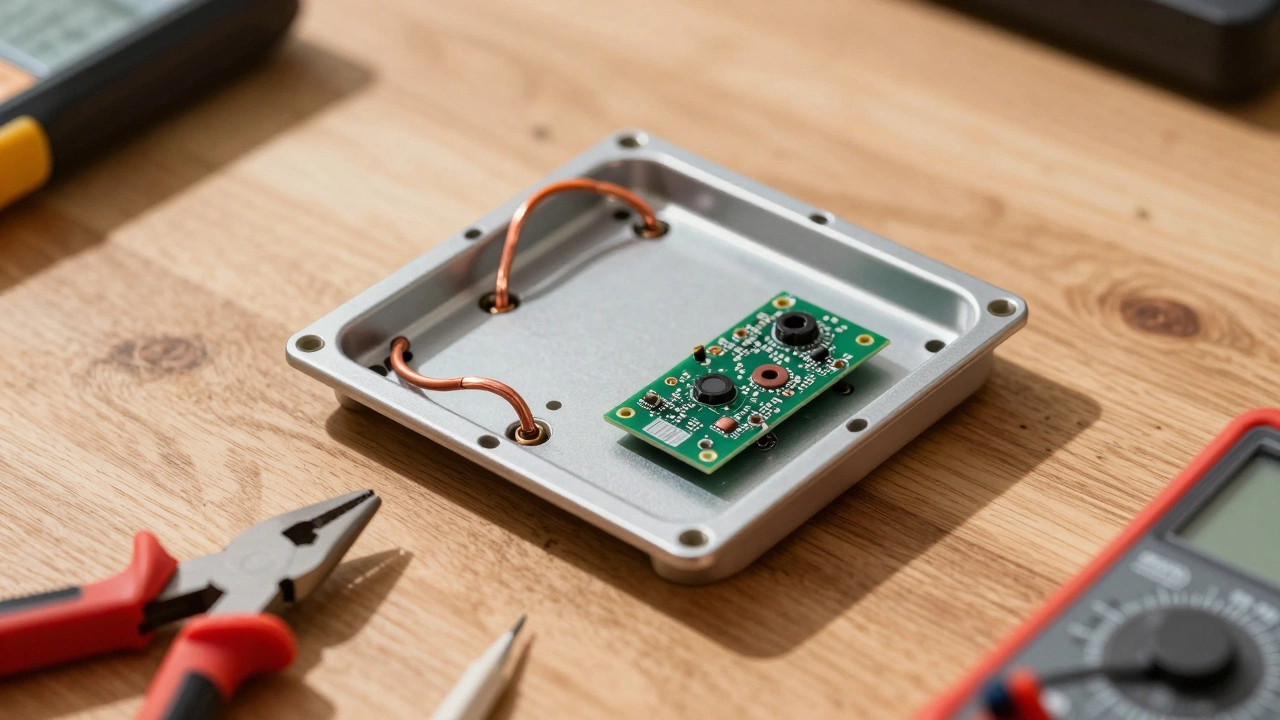
There is a strong urge to save money by fixing things yourself. YouTube videos make it look easy. However, high-voltage mains electricity enters these units. While low voltage powers the clock, two hundred and forty volts runs the heating circuits. Working on a plugged-in unit creates a shock hazard that can be lethal.
Even when unplugged, capacitors can store charge. If you touch the wrong component, you could receive a painful shock days after disconnecting the power. Furthermore, improper reassembly can lead to fire hazards later. For example, failing to secure the wire grounding strap leaves the chassis energized. Someone touching the door could get shocked. Professional technicians follow strict lock-out/tag-out procedures to prevent this.
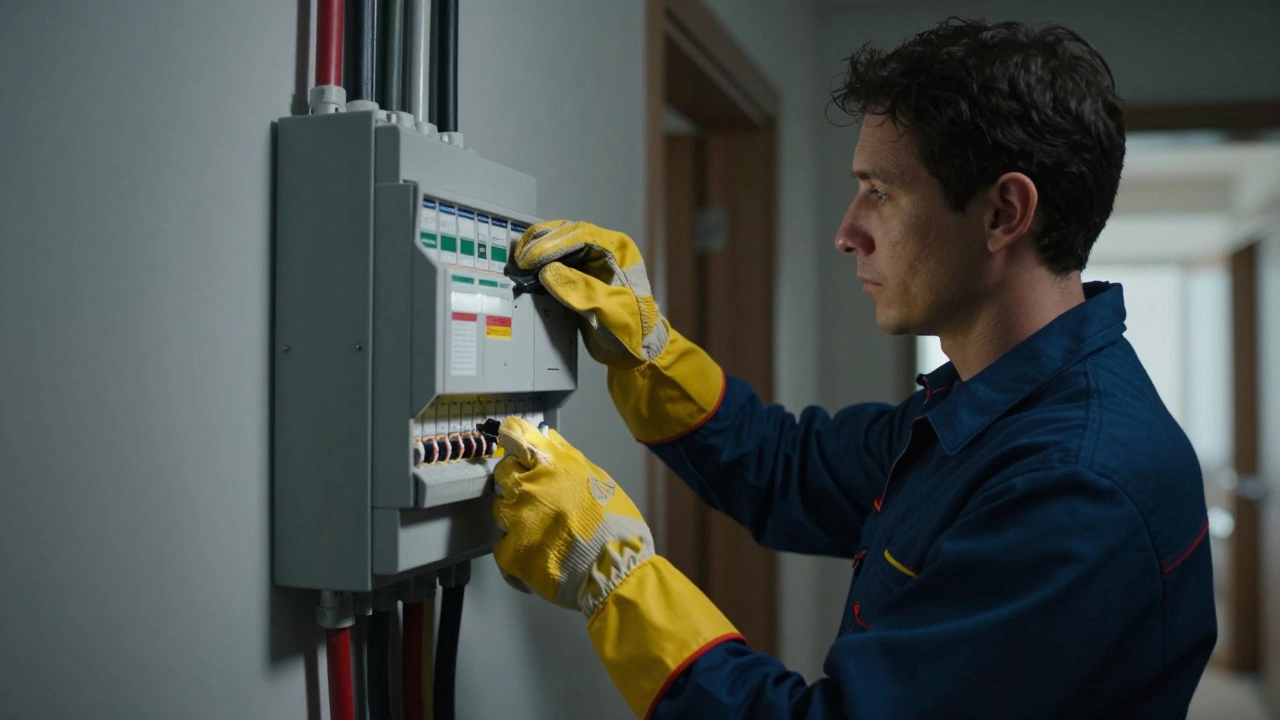
If you decide to proceed with basic checks like testing continuity, always disconnect the breaker at the fuse box. Never rely on just pulling the plug. In multi-unit housing, this ensures no residual power exists in the lines feeding your appliance.
Finding Reliable Help Locally
In Auckland, many general handymen claim they can fix appliances. Generalists often lack specific diagnostic tools for electronic controls. You want someone who specializes in kitchen equipment. They will carry common parts like switches and sensors in their van, reducing wait times.
When calling for service, describe the exact error code or behavior. “It clicks but does not heat” gives more information than “it is broken.” This allows them to bring the right tools. Look for providers who offer a warranty on both parts and labor. A ninety-day guarantee shows confidence in their workmanship.
Maintenance Tips to Extend Lifespan
Prevention is cheaper than cure. Regular cleaning prevents corrosion. Avoid pouring cold water on hot spills inside the chamber; the rapid temperature shock damages enamel coatings. Clean the drip trays underneath if your unit has them separately. Blocked vents cause overheating which kills fans prematurely.
Check the door alignment annually. If the latch doesn’t click firmly shut, the safety switch stays open and the oven refuses to run. Lubricate hinges lightly if they feel stiff. Keep the vent clear of dust bunnies so airflow remains consistent. Small habits add up to significant savings over the decade-long life of the device.
Frequently Asked Questions
Is it cheaper to fix or replace my oven?
If the repair cost is less than half the price of a new unit, fixing is usually better. Older units may require repeated maintenance that eventually exceeds the value of a new model.
What causes an oven to not heat up?
Common causes include a failed heating element, a broken thermostat, a tripped circuit breaker, or a defective control board preventing power delivery.
How do I know if the heating element is bad?
Visual inspection works well. Look for bubbles, cracks, or bends in the coil. If the element does not glow orange-red when set to bake, it is likely burnt out.
Can I fix my oven myself safely?
Only if you cut power at the breaker box. Internal faults involve high voltage. Mistakes during reassembly can create fire risks or leave the outer casing electrified.
How long do electric ovens typically last?
Average lifespan ranges from ten to fifteen years depending on usage frequency and quality of manufacture. Proper ventilation and regular cleaning extend this timeframe.