Hob Repair vs Replacement Calculator
Calculate whether repairing your electric hob makes financial sense based on current age, repair cost, and new unit price.
Results will appear here...
If your electric hob suddenly stops heating, sparks when you turn it on, or shows error codes you don’t understand, you’re probably wondering: can electric hobs be repaired? The short answer is yes - but not always. Many people assume a broken hob means a full replacement, but that’s not always true. In fact, most common issues can be fixed for a fraction of the cost of buying new. The trick is knowing what’s broken and whether it’s worth fixing.
Common Electric Hob Problems and Their Fixes
Electric hobs are simpler than they look. Most have just a few core parts: heating elements, control knobs, circuit boards, and safety sensors. When something goes wrong, it’s usually one of these.
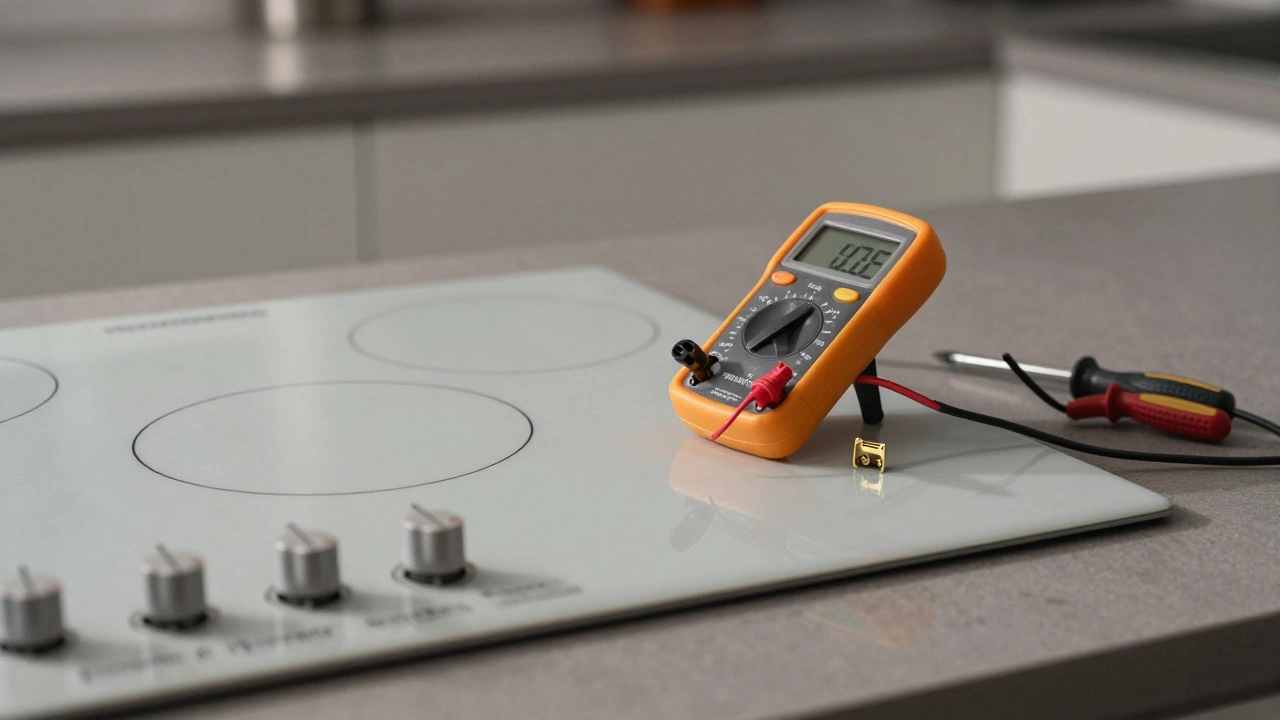
- One burner won’t heat - This is the most common issue. The heating element itself might be burnt out. You can test it with a multimeter for continuity. If it reads zero or infinite resistance, it’s dead. Replacing the element costs between $40 and $90 and takes under an hour.
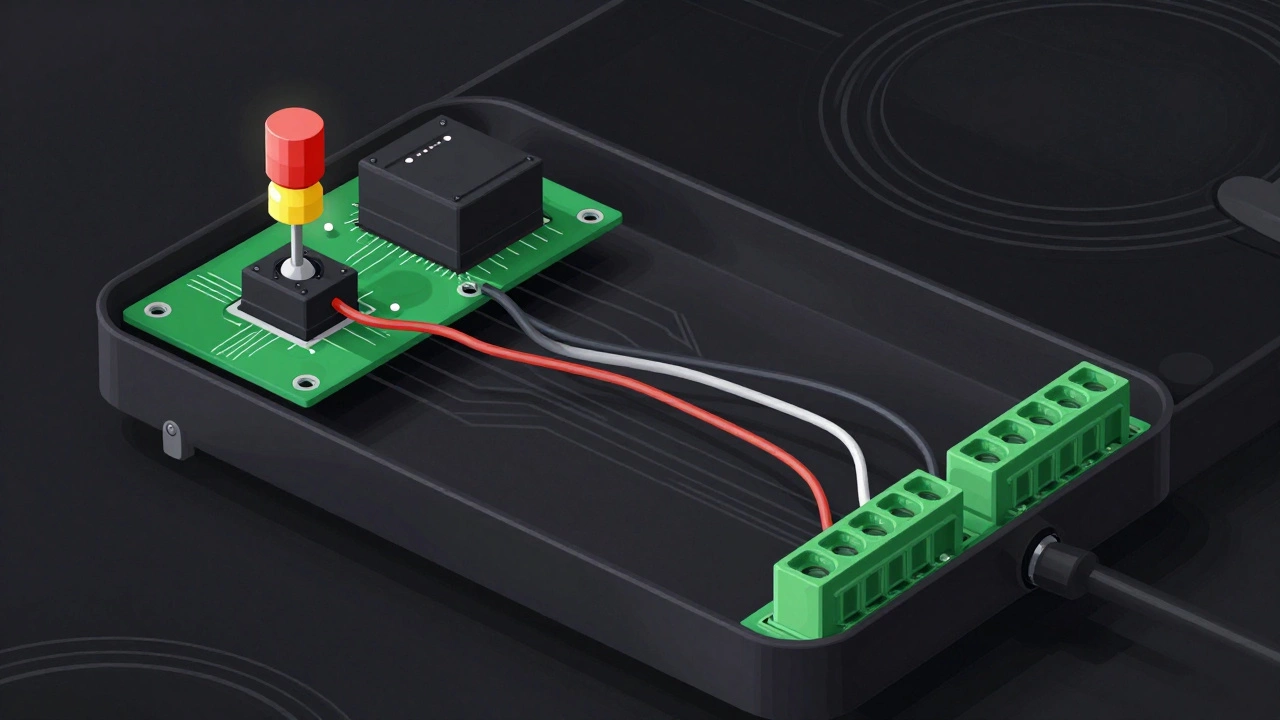
- Multiple burners not working - If more than one zone fails, the problem is likely the control board or power supply. A faulty relay on the board can cut power to several zones. Replacing the board costs $120-$200, but it’s often worth it if your hob is less than 8 years old.
- Intermittent heating - The hob turns on and off randomly. This usually points to a loose connection, a failing thermostat, or a cracked ceramic surface causing poor contact. Tightening terminal screws or replacing the thermostat fixes this in most cases.
- Display errors or flashing lights - Modern hobs show codes like E1, E2, or F3. These aren’t random. They mean specific things: E1 = temperature sensor fault, E2 = overheating, F3 = power surge. You can look up the code in your manual or online. Often, it’s just a sensor that needs replacing - not the whole unit.
- Clicking noise without heating - This usually means the igniter or relay is stuck. It’s not dangerous, but it’s a sign the control system is struggling. A technician can swap the relay for under $80.
Most of these fixes don’t require replacing the entire hob. In Auckland, I’ve seen homeowners spend $1,200 on a new hob when a $90 element and a 30-minute job would’ve done the job.
When Repair Isn’t Worth It
Not every broken hob should be fixed. There are clear signs it’s time to walk away:
- Your hob is over 12 years old. Parts become scarce, and newer models are 30% more energy efficient.
- The ceramic glass top is cracked or chipped. Even if the elements work, a damaged surface is unsafe. Replacement tops cost $250-$400 - almost as much as a new hob.
- The control panel is water-damaged or corroded. Moisture gets into the electronics, and even after repair, it’ll fail again in months.
- You’ve already repaired it once in the last two years. Repeated fixes mean the system is wearing out.
- The cost of repair is more than 50% of a new unit’s price. That’s the golden rule for appliances.
For example, if a new electric hob costs $800, and the repair quote is $450, it’s smarter to replace it. But if the repair is $180, you’re saving $620. That’s not a gamble - that’s common sense.
DIY vs Professional Repair
Can you fix it yourself? Sometimes. But only if you know what you’re doing.
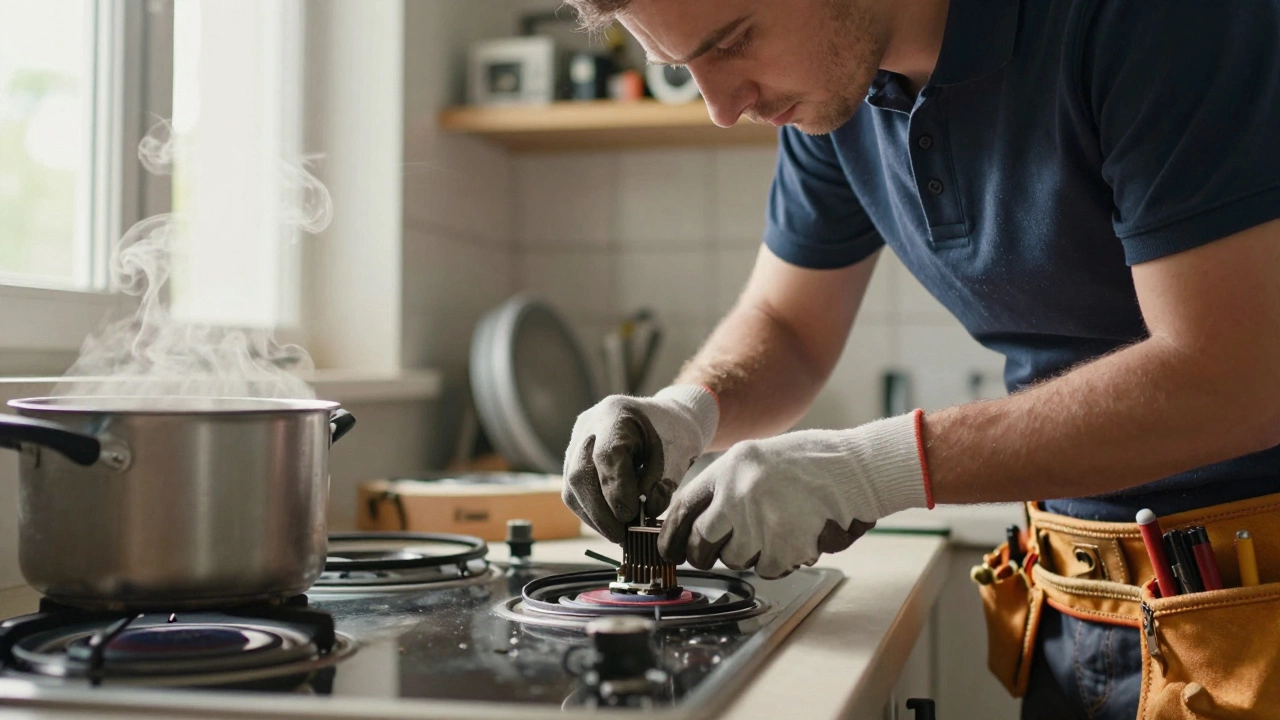
Changing a heating element is doable for someone with basic tools and a bit of patience. You need a multimeter, screwdrivers, and the right replacement part. Many manufacturers sell parts online. Just make sure you match the model number exactly. A wrong element can overload the circuit or cause a fire.
But if the problem is the control board, wiring, or sensors - leave it to a pro. These aren’t plug-and-play fixes. One wrong connection can fry the whole system. And if you’re not sure about turning off the main power at the breaker, don’t risk it. Electric hobs run on 240V in New Zealand - that’s enough to kill.
Most reputable appliance repair technicians in Auckland charge $80-$120 for a service call. That includes diagnosis, parts, and labor. If they quote over $200 without seeing the unit, get a second opinion.
What Parts Are Commonly Replaced?
Here’s what actually breaks - and what you’ll likely need to replace:
| Part | Typical Cost | Replacement Difficulty | Expected Lifespan After Fix |
|---|---|---|---|
| Heating Element | $40-$90 | Easy | 5-8 years |
| Control Board | $120-$200 | Medium | 3-6 years |
| Temperature Sensor | $30-$60 | Easy | 5+ years |
| Relay Switch | $50-$80 | Medium | 4-7 years |
| Ceramic Glass Top | $250-$400 | Hard | Varies |
| Power Cable / Terminal Block | $25-$50 | Easy | 5+ years |
Notice how the element and sensor are cheap and last years. The glass top and control board are expensive and often signal the end of the line. That’s why knowing what’s broken matters more than just calling a repairman.
How to Extend Your Hob’s Life
Prevention beats repair every time. Here’s how to keep your hob working longer:
- Never drag heavy pots across the surface. Scratches weaken the glass and can lead to cracks.
- Clean spills immediately. Sugar and acidic foods can eat into the ceramic over time.
- Don’t use metal scourers or abrasive cleaners. Stick to non-abrasive hob cleaners.
- Make sure the hob is properly ventilated. Overheating kills electronics faster.
- Turn off the power at the breaker if you’re away for more than a week. Surges happen when power returns.
Simple habits can add 5-7 years to your hob’s life. That’s like getting a free upgrade.
What to Do If Your Hob Stops Working
Here’s a quick step-by-step plan:
- Check the circuit breaker. Sometimes it’s just tripped.
- Test other appliances on the same circuit. If they’re dead too, the issue is your home’s wiring.
- Look for error codes on the display. Google the code + your hob brand.
- Try resetting the hob. Unplug it or turn off the breaker for 10 minutes, then turn it back on.
- If nothing works, call a licensed appliance technician. Don’t guess with electricity.
Most technicians will give you a free quote. If they say it’s not repairable, ask why. A good one will explain exactly which part failed and why replacing it isn’t worth it.
Frequently Asked Questions
Can I fix my electric hob myself?
You can fix simple issues like a burnt-out heating element or loose wire if you’re comfortable using a multimeter and following a wiring diagram. But anything involving the control board, sensors, or power supply should be left to a professional. Electricity is dangerous, and one mistake can cause a fire or ruin the whole unit.
Is it cheaper to repair or replace an electric hob?
If the repair costs less than half the price of a new hob and your unit is under 10 years old, repair is almost always the better choice. For example, replacing a $60 sensor on a $700 hob saves you $640. But if the repair is $400 on a $700 hob, replacement makes more sense - especially if your model is outdated or inefficient.
How long do electric hobs last?
A well-maintained electric hob lasts 10-15 years. Elements and sensors wear out faster, but the base unit can last decades. The biggest killers are physical damage to the glass, water leaks, and power surges. Regular cleaning and avoiding heavy impacts help extend life.
Do electric hobs use a lot of electricity?
Electric hobs use more power than gas, but modern ones are much more efficient than older models. A typical 2,000W hob uses about 0.6 kWh per hour of full-power use. That’s roughly 30 cents per hour at New Zealand’s average rate. If you only use it for 30 minutes a day, it adds less than $5 to your monthly bill.
What brands are easiest to repair?
Bosch, Siemens, and Indesit have the best parts availability and repair manuals online. Smeg and Miele are high-quality but expensive to fix. Cheaper brands like Hotpoint or Beko often use proprietary parts that are hard to find. If you’re buying new, choose a brand with a strong local service network.
Next Steps
If your hob is acting up, don’t panic. Start with the basics: check the breaker, reset the unit, look up error codes. If you’re still stuck, find a local appliance repair service with good reviews. Ask if they stock parts for your brand and model. A good technician will show you the broken part and explain why it failed.
Remember: electric hobs are repairable in most cases - unless the glass is cracked or the unit is ancient. Fixing it saves money, reduces waste, and keeps your kitchen running. And in a place like Auckland, where appliance repair shops are plentiful, there’s no reason to throw away a perfectly good appliance just because one part broke.