Electric Oven Replacement Cost & Safety Calculator
Step 1: Assess Your Situation
Quick Safety Check
Can you wire it yourself?
Almost certainly NOT.
In NZ, fixed wiring requires a licensed electrician registered with WorkSafe. Only plug-in models allow true DIY.
Do you need an E1 Certificate?
YES, for most jobs.
Essential for insurance claims and selling your home. Always ask for it.
Is your old electric oven is a major kitchen appliance used for baking and roasting food using electricity struggling to heat up, or has it just flat out died on you? It’s tempting to grab a screwdriver and swap it out yourself. After all, the box looks simple enough, right? But here’s the hard truth: replacing an electric oven isn’t like changing a lightbulb. In New Zealand, messing with mains power without the right qualifications can get you in serious trouble-both legally and physically.
You might be wondering if you’re saving money by doing it yourself. Sometimes yes, often no. If you make a mistake with the wiring, you could fry your new oven, trip your breaker constantly, or worse, start a fire. This guide breaks down exactly what you can do, what you must leave to a pro, and how to navigate the specific rules here in Auckland and across NZ.
The Short Answer: Wiring vs. Swapping
Let’s cut to the chase. Can you physically remove the old unit and put the new one in? Yes. Can you wire it up? Almost certainly not, unless you are a licensed electrician.
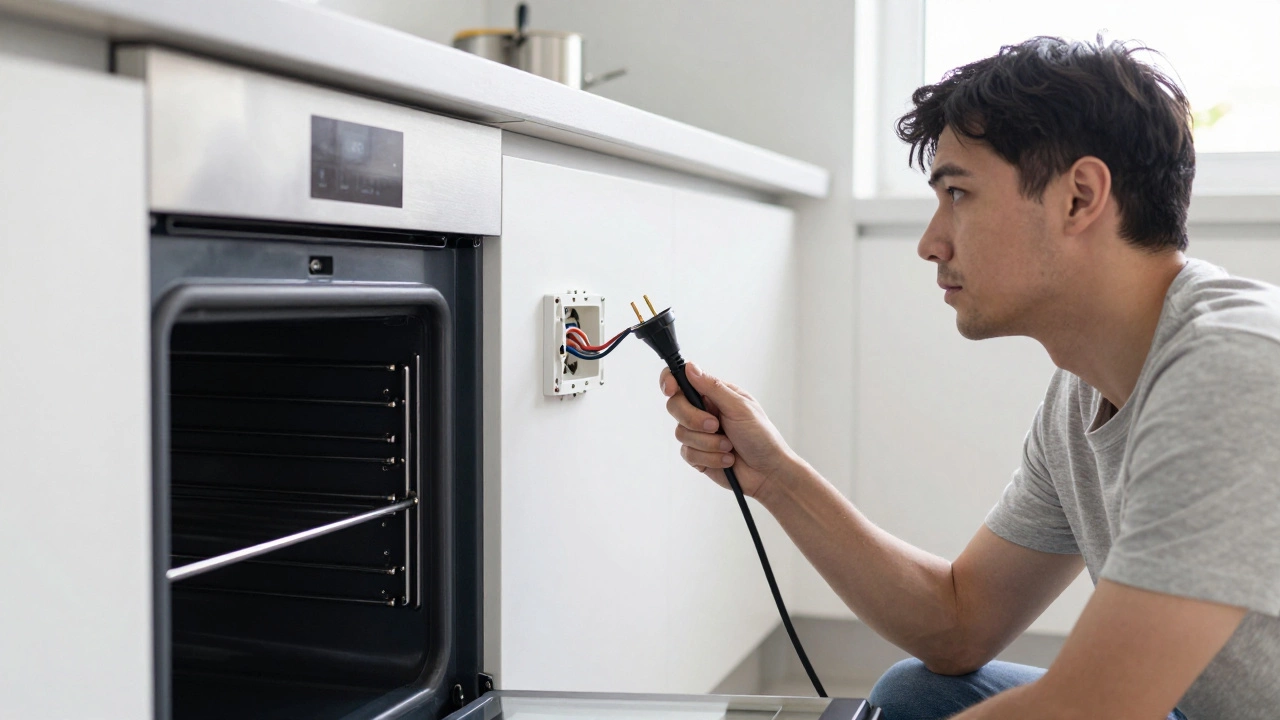
In New Zealand, the Electricity (Safety) Regulations are strict. Any work on fixed wiring-meaning the cables that come from your wall or floor up to the appliance-must be done by someone registered with WorkSafe New Zealand is the government agency responsible for workplace health and safety, including electrical licensing. This includes connecting the live, neutral, and earth wires to the terminal block inside the oven or the junction box in the wall.
If your oven plugs into a standard 10A socket (rare for large ovens, but possible for smaller ones), you can unplug the old one and plug in the new one. No tools needed beyond maybe some muscle. But most full-size electric ovens require a dedicated 30A circuit wired directly into the house. That connection point is where the danger lies.
Why You Should Not Wire It Yourself
I know, hiring an electrician costs money. But consider the risks:
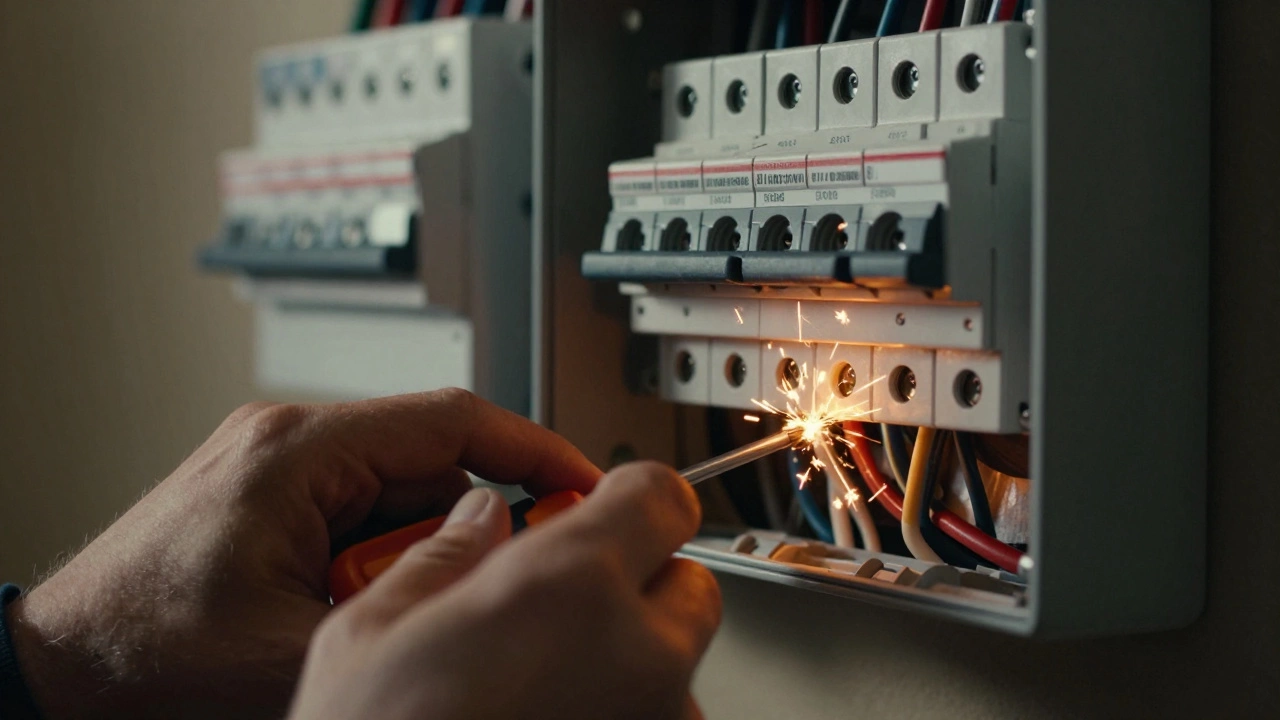
- Electrocution Risk: Mains voltage in NZ is 230V. One wrong touch while stripping a wire or tightening a terminal can be fatal. Even if you turn off the switch at the consumer unit (fuse box), capacitors or mislabeled switches can leave live voltage present.
- Fire Hazard: Loose connections generate heat. An under-tightened screw on the live terminal can slowly burn through insulation, potentially igniting surrounding cabinetry. This is a leading cause of kitchen fires.
- Voided Insurance: If a fire starts due to non-compliant electrical work, your home insurance will likely deny the claim. They will check who did the work. If it wasn’t a licensed sparky, you’re paying out of pocket.
- Legal Trouble: WorkSafe can issue infringement notices for illegal electrical work. It’s not worth the fine or the risk.
Think of it this way: the cost of an electrician is insurance against disaster. The cost of doing it wrong is your home, your health, or both.
What You CAN Do Yourself (The Prep Work)
While you shouldn’t touch the wires, you can definitely save some labor hours by handling the physical removal and preparation. Here’s how to prep your kitchen so the electrician spends less time (and you pay less):
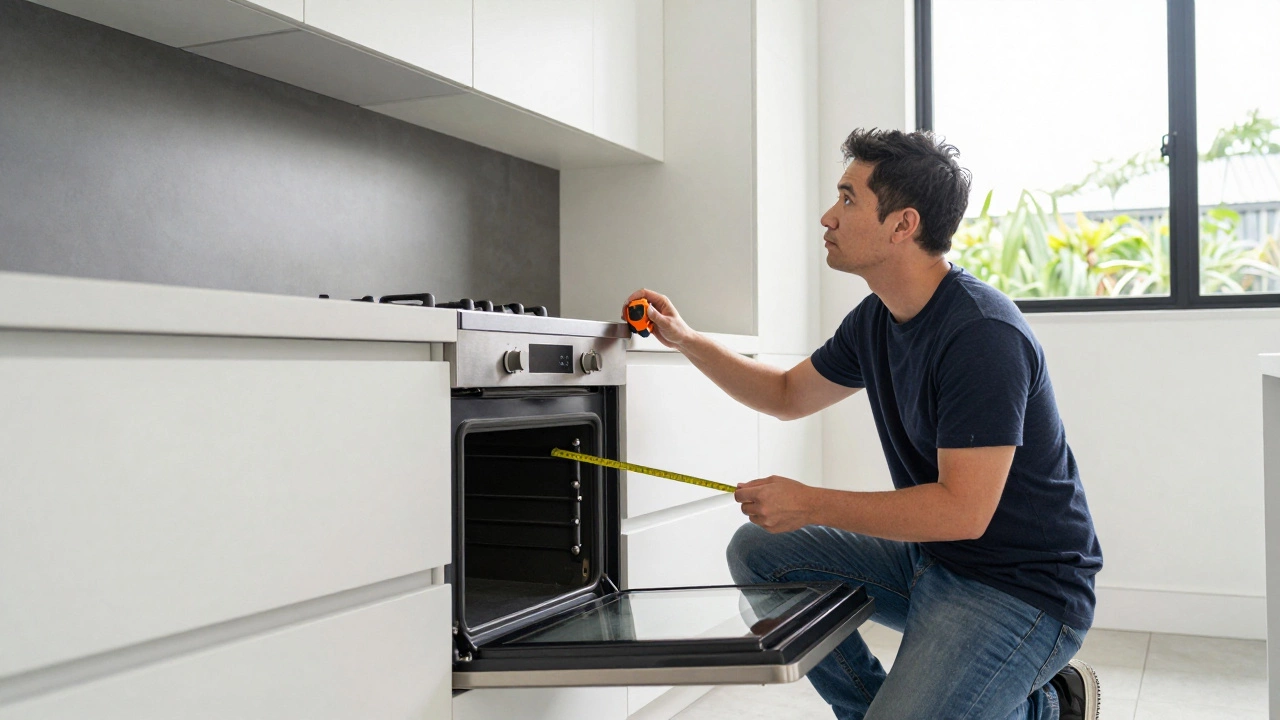
- Buy the Right Replacement: Measure the width, height, and depth of your current oven. Most standard UK/NZ models are 60cm wide, but built-in ovens vary wildly. Check the cut-out dimensions in the manual of the new oven. Ensure the new model fits your existing cabinet space.
- Clear the Area: Remove anything near the oven. Take out pots, pans, and shelf liners. If it’s a slide-in range, clear the counter behind it. If it’s built-in, empty the cabinets above and below.
- Disconnect Gas (If Applicable): Wait-if you have a gas hob combined with an electric oven, the gas part needs special attention. Turn off the gas supply valve. For the electric part, turn off the circuit breaker at your consumer unit. Label the switch clearly so no one turns it back on accidentally.
- Remove the Old Oven:
- Freestanding Range: Pull it forward carefully. Don’t yank! There may be debris behind it. Once free, tilt it back slightly to lift it off its feet. You’ll need a helper; these things weigh 40-60kg.
- Built-In Oven: These are usually held in by screws or brackets. Unscrew them. Slide the oven out. Again, get help. Built-ins are heavy and awkward.
- Inspect the Wall/Floor Connection: Look at the cable coming out of the wall. Is it intact? Is the junction box accessible? If the cable is damaged or the box is buried behind tiles, tell the electrician before they arrive. This affects the quote.
Understanding Your Oven’s Power Requirements
Not all ovens are created equal when it comes to power. Knowing what your home supports helps you choose the right replacement.
| Type | Amps | Wiring Method | Typical Use |
|---|---|---|---|
| Standard Plug | 10A - 13A | Plug into wall socket | Small combo units, second-hand older models |
| Dedicated Circuit | 30A - 45A | Hardwired to terminal block | Most modern single or double ovens |
| High-Power Combo | 45A+ | Hardwired, possibly separate phases | Oven + Hob combinations, commercial-style ranges |
If you’re upgrading from an old 1980s oven to a modern smart oven, check the wattage. Modern ovens are more efficient, but some high-end models draw more power for features like steam injection or rapid preheat. If your existing circuit is only rated for 30A and your new oven needs 45A, you can’t just wire it in. You’d need an electrician to upgrade the circuit breaker and possibly the cabling itself. That’s a bigger job-and a bigger bill.
Hiring an Electrician in Auckland: What to Expect
Since I’m based in Auckland, I’ve seen how local trades operate. Here’s how to hire the right person:
- Check Their License: Ask for their WorkSafe license number. You can verify it online. Never hire “the guy my neighbor recommended” if he can’t show proof.
- Get a Fixed Quote: Call three electricians. Explain: “I need to replace a 60cm electric oven. The old one is disconnected. The new one is ready. Please provide a fixed price for the connection and compliance certificate.” Avoid hourly rates if possible-they can spiral.
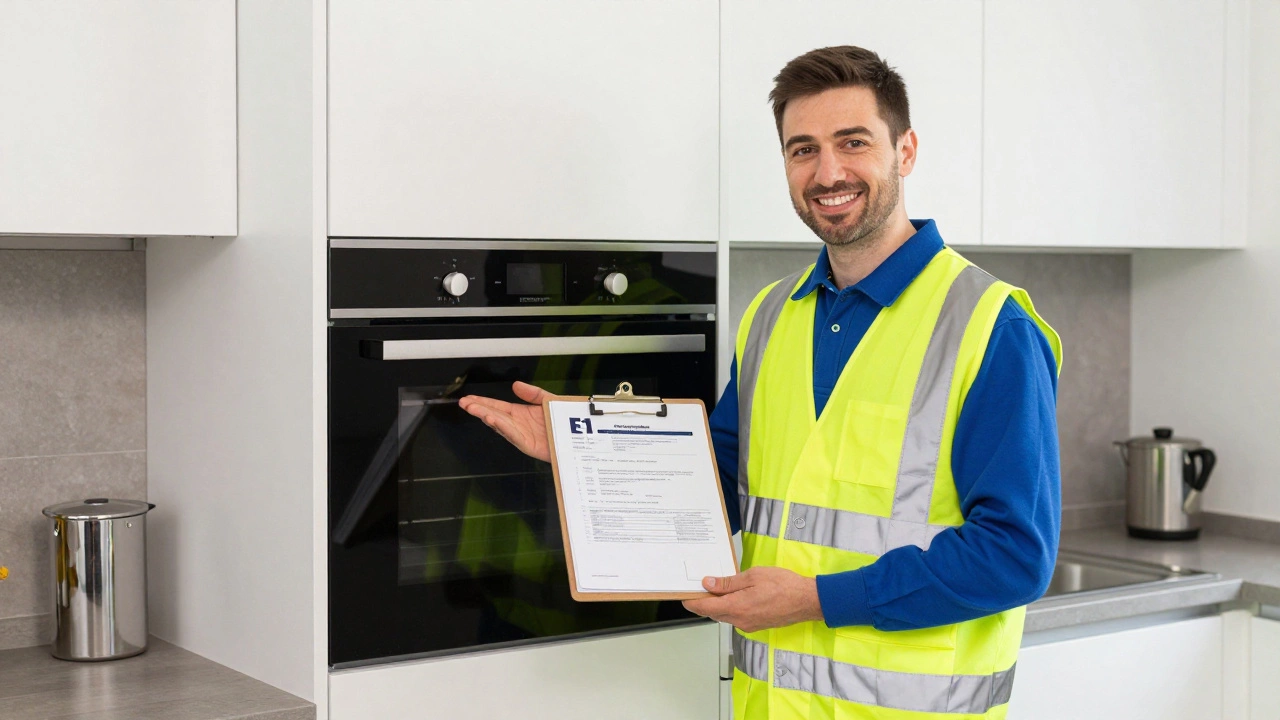
- Ask About the E1 Certificate: In NZ, any electrical work over $400 requires an Electrical Installation Certificate (EIC). For appliance connections, you should receive an E1 form. This proves the work is legal and safe. Keep this document forever-it’s crucial for insurance and selling your home.
- Schedule Smartly: Electricians are busy. Book early in the week. Have the new oven delivered and unpacked before they arrive. Every minute they spend waiting is money you’re wasting.
Average cost for a simple oven connection in Auckland ranges from $150 to $300, depending on accessibility and complexity. If new cabling is needed, expect $500+. It’s cheaper than a fire department visit.
When DIY Makes Sense: Troubleshooting Before Replacement
Before you buy a new oven, ask: Is it really dead? Sometimes, the problem is minor and fixable without replacing the whole unit. However, even troubleshooting has limits.
You can safely check:
- The Circuit Breaker: Is the switch tripped? Reset it. If it trips again immediately, there’s a short circuit-call an electrician.
- The Door Switch: Some ovens won’t heat if the door isn’t fully closed. Listen for a click when closing. Clean the latch area.
- The Thermostat Setting: Sounds silly, but people set ovens to ‘Off’ or ‘Keep Warm’ by accident. Double-check controls.
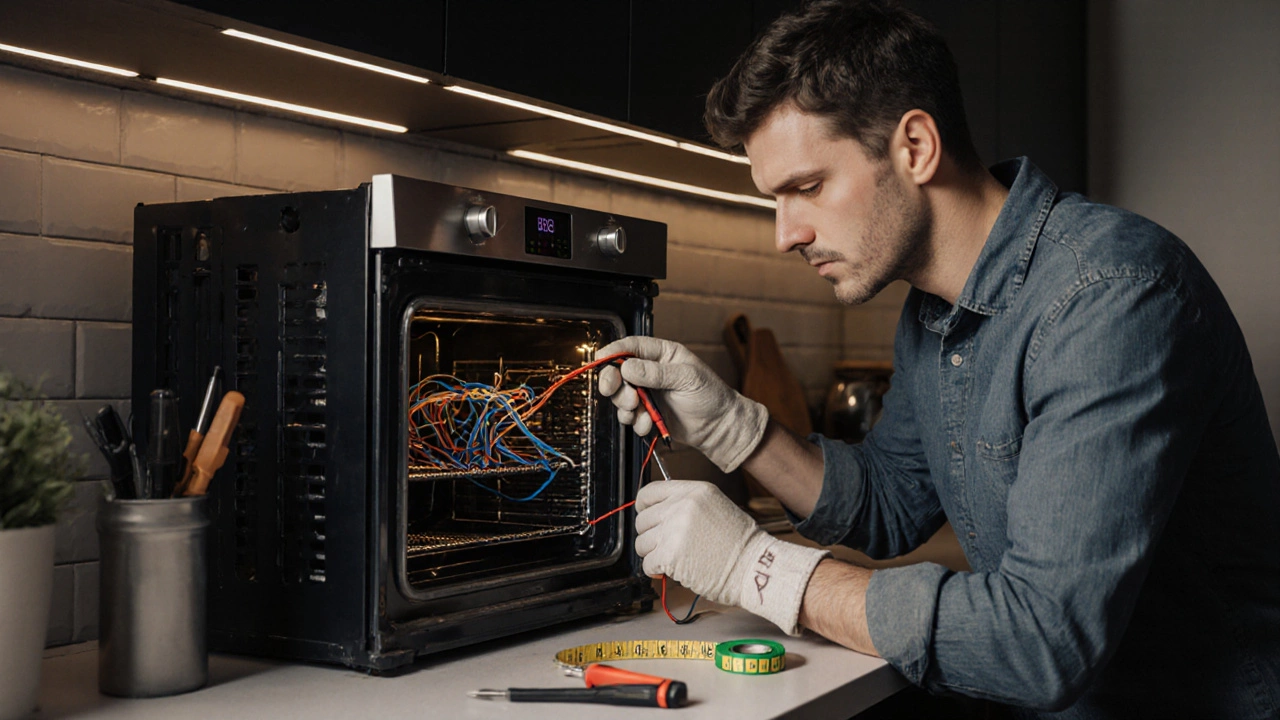
Do NOT open the back panel or remove internal components to test elements or thermostats. Inside an oven, there are high-voltage components that retain charge. Testing continuity on a heating element requires isolating it completely-a job for a qualified appliance repair technician, not a homeowner with a multimeter.
Moving House? Consider the Oven Situation
If you’re buying or selling a home in Auckland, the oven situation often comes up. Are ovens included? Usually, freestanding ranges are not considered fixtures. Built-in ovens often are. Clarify this in the sale agreement.
If you’re moving into a new place and the previous owner left an old oven, don’t assume it’s safe. Ask for the last E1 certificate. If none exists, treat it as unverified. Have an electrician inspect it before use. Better safe than sorry.
Final Thoughts: Play It Safe
Replacing an electric oven is a two-part job: physical swap and electrical connection. You can handle the first part. Leave the second part to a professional. It’s not about being lazy-it’s about being smart. Your family’s safety and your home’s integrity are worth more than a few hundred dollars saved on labor.
Take the time to measure correctly, prep the space, and hire a licensed electrician. Get your E1 certificate. Then, enjoy your new oven with peace of mind. Because cooking should be fun, not frightening.
Can I plug my electric oven into a regular wall socket?
Only if the oven is designed for it and the socket is on a dedicated circuit. Most full-size electric ovens require a 30A hardwired connection. Plugging a high-wattage oven into a standard 10A socket can overload the circuit, melt the plug, or start a fire. Check the oven’s rating plate. If it says >2000W, it likely needs hardwiring.
How much does it cost to hire an electrician to connect an oven in Auckland?
For a straightforward connection where the cable and junction box are already in place, expect to pay between $150 and $300. If new cabling needs to be run from the consumer unit, costs can rise to $500-$800+ depending on distance and obstacles. Always get a fixed quote upfront.
Do I need an E1 certificate for connecting an electric oven?
Yes, in New Zealand, any electrical work valued at $400 or more requires an Electrical Installation Certificate (EIC). Even for smaller jobs, reputable electricians provide an E1 form for appliance connections. This certificate is essential for insurance claims and property sales. Always ask for it.
Can I replace the heating element in my oven myself?
Technically, yes, but it’s risky. You must isolate the power completely and ensure no residual charge remains. Incorrect reassembly can lead to electrical shorts or poor sealing. For most homeowners, calling an appliance repair technician is safer and often similarly priced when you factor in the cost of parts and potential mistakes.
What happens if I wire my oven incorrectly?
Incorrect wiring can cause immediate failure of the oven, frequent tripping of circuit breakers, overheating of terminals, or electrical fires. It also voids your home insurance and violates WorkSafe regulations. In severe cases, incorrect wiring can lead to electrocution. Always hire a licensed electrician.