Water Heater Health Checker
Check Your Water Heater Condition
Select all signs that apply to your water heater. We'll analyze your situation and provide a recommendation.
Results will appear here...
If your hot water heater is acting up, it’s tempting to keep hoping it’ll bounce back. But ignoring the warning signs won’t make it last longer-it just makes the next breakdown messier and more expensive. In Auckland, where homes often rely on electric or gas storage tanks, knowing when to replace your water heater can save you from cold showers, water damage, or even a full system failure in the middle of winter.
Your water heater is older than 10 years
Most tank-style water heaters last between 8 and 12 years. If yours is 10 or older, you’re in the danger zone. That doesn’t mean it’s dead yet, but it’s definitely on borrowed time. Manufacturers don’t build them to last forever-they’re designed with a lifespan in mind. A 15-year-old heater is like a 10-year-old car with 200,000 km on it. It might still run, but you’re asking for trouble.
Electric models tend to last a bit longer than gas ones, but both wear out similarly. If you don’t know the age of your heater, check the serial number on the label. The first two digits usually tell you the year it was made. If it’s from 2014 or earlier, start planning for a replacement.
You’re seeing rust or corrosion
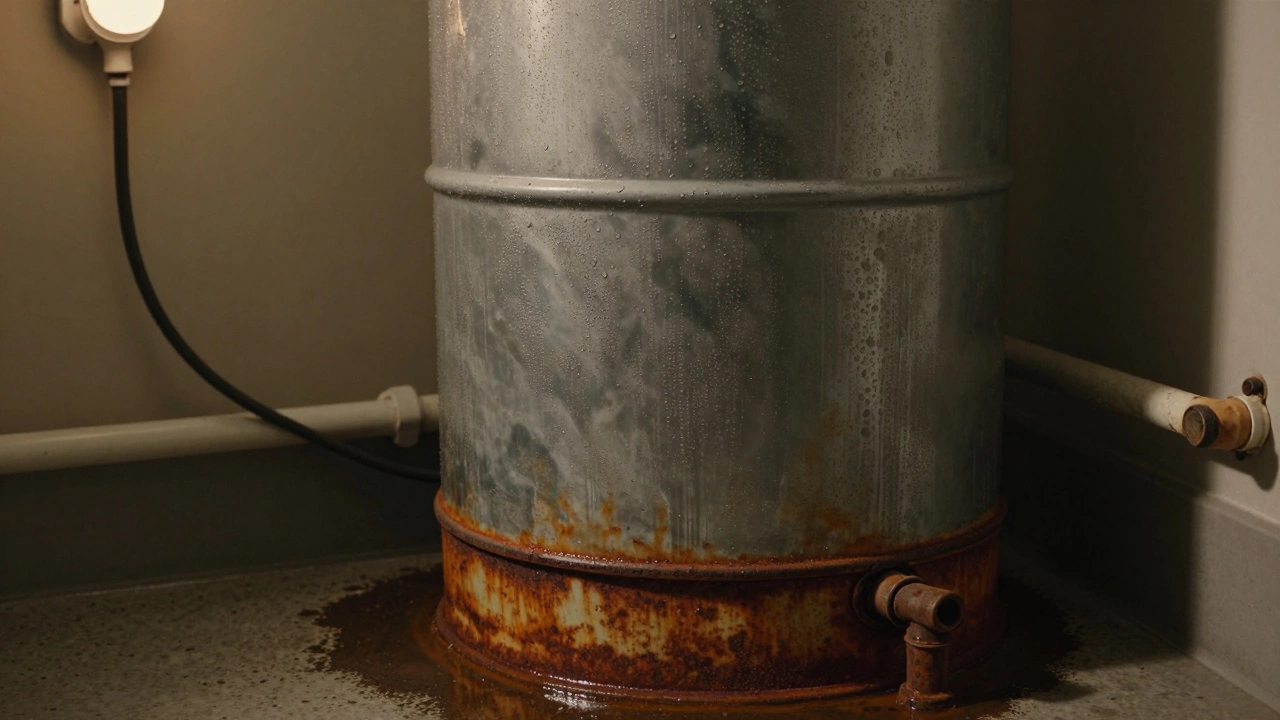
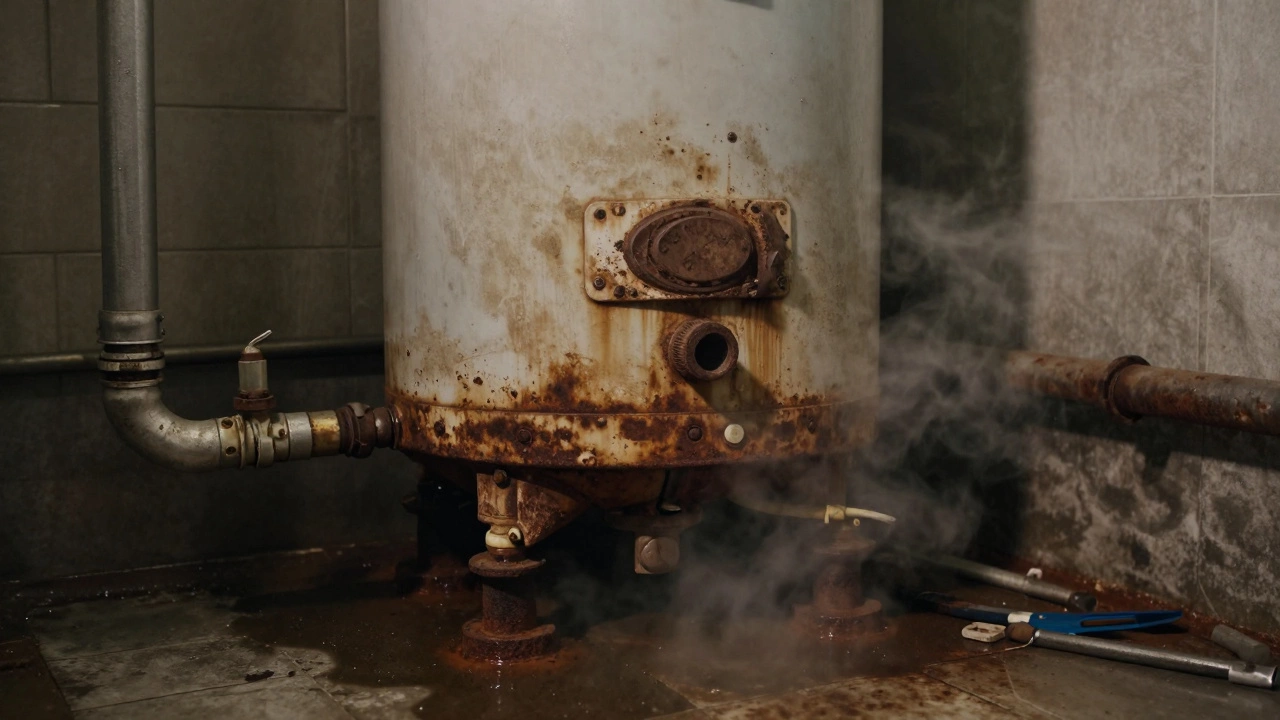
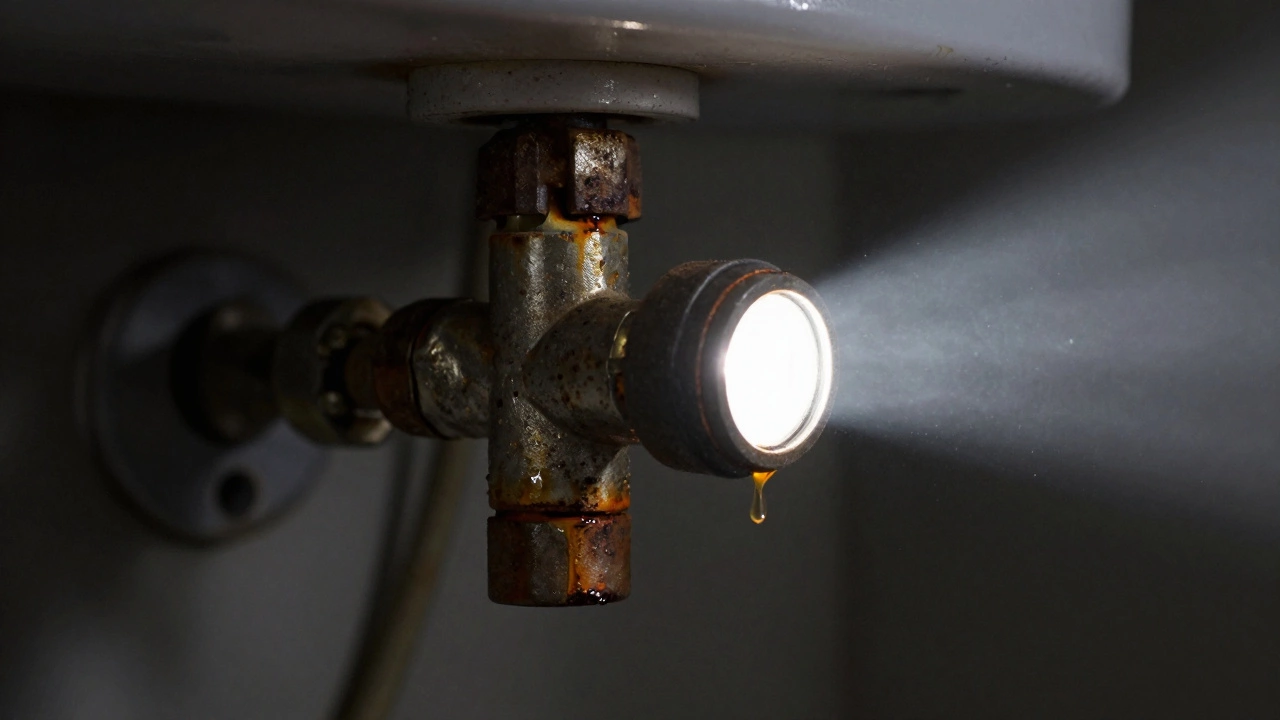
Rust is the silent killer of water heaters. If you notice rust around the base of the tank, on the pipes, or especially on the pressure relief valve, that’s a red flag. Rust means moisture is getting where it shouldn’t-usually because the tank’s internal lining is breaking down. Once the metal starts corroding, it’s only a matter of time before it leaks.
Even small rust spots near the bottom of the tank are serious. That’s where water sits longest and where corrosion starts first. If you see rust on the outside, it’s almost certainly happening on the inside too. No amount of painting or sealing will fix that. The tank is compromised.
Your water looks brown or smells funny
Clear, hot water is normal. Brown, rusty, or muddy-looking water? Not normal. That’s sediment buildup or corrosion inside the tank making its way into your taps. It’s not just ugly-it can clog showerheads, damage washing machines, and ruin your dishes.
If your hot water smells like rotten eggs, that’s sulfur bacteria feeding on the magnesium anode rod. It’s annoying but fixable with a flush and rod replacement. But if the smell comes back after a few months, or if the water is both smelly and discolored, the tank itself is likely breaking down. Replacing the rod won’t help if the tank is rusting from the inside.
There’s water pooling around the base
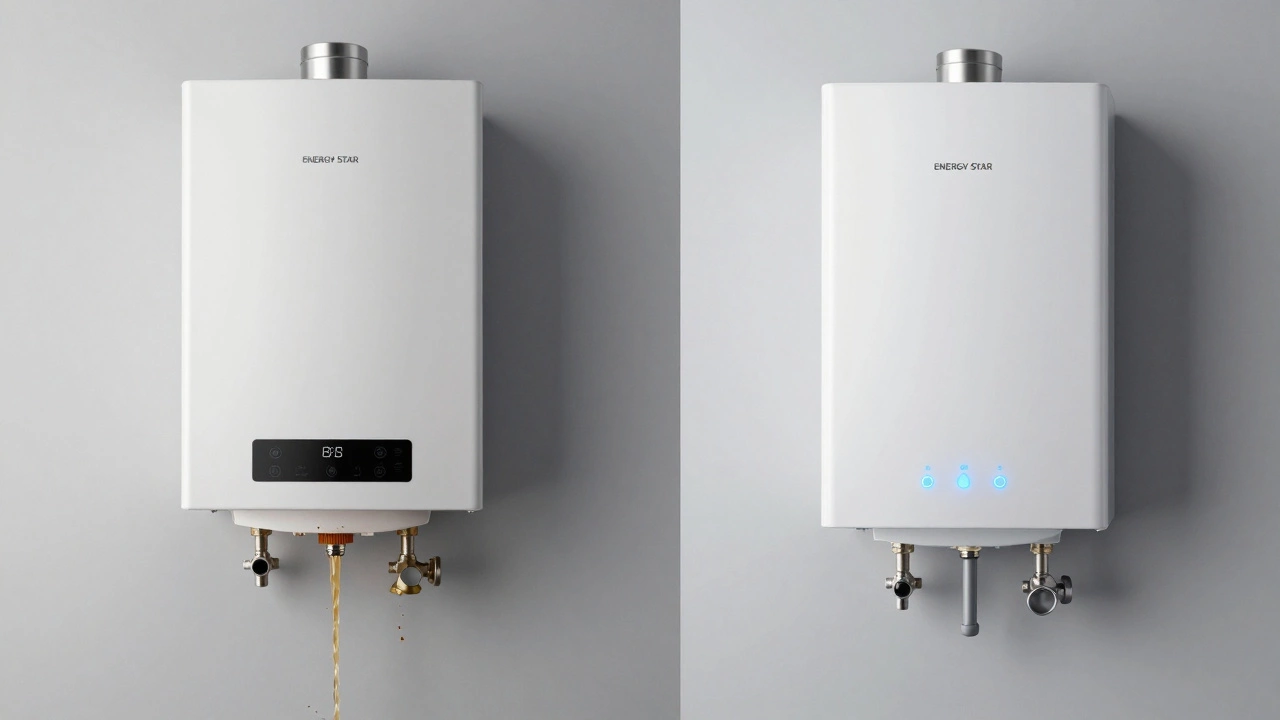
Any puddle under your water heater is a problem. But not all leaks mean you need a new unit. A loose fitting, a bad valve, or a cracked pipe can be fixed. The real danger is if the leak is coming from the tank itself. Try wiping the area dry, then checking again after a few hours. If water reappears, especially from the bottom seam or near the inlet/outlet pipes, the tank is leaking.
Gas water heaters are more dangerous if they leak-water can rust the burner assembly or cause electrical shorts. Electric models can short out or trip breakers. Either way, a tank leak is a final warning. You can patch it temporarily, but it won’t hold. Replacing it now avoids flooding your laundry room or garage.
You’re running out of hot water too fast
Remember when you could shower, do the dishes, and do laundry back-to-back without a cold shock? If that’s gone, your heater isn’t heating efficiently. Sediment buildup at the bottom of the tank acts like insulation, trapping heat and making the element work harder. Over time, the element wears out, or the tank loses its ability to hold heat.
If you’re getting less than 15 minutes of hot water before it turns cold, and you’ve already flushed the tank and checked the thermostat, the heating system is failing. Newer models are more efficient and hold heat better. A 40-gallon tank from 2010 might only deliver 25 gallons of usable hot water today. Upgrading to a modern unit could give you more hot water, faster recovery, and lower bills.
The noise is getting worse
Water heaters aren’t supposed to be quiet, but they shouldn’t sound like a kettle on steroids. Loud popping, banging, or rumbling noises mean sediment is building up on the bottom. As the water heats, it gets trapped under layers of mineral deposits and boils violently. That’s not just annoying-it’s damaging the tank’s lining.
In hard water areas like Auckland, this happens fast. If you’ve tried flushing the tank twice and the noise keeps coming back, the damage is structural. Replacing the tank is cheaper than replacing your plumbing from a burst tank later.
Higher energy bills without changes in usage
If your electricity or gas bill has gone up over the last year, and you haven’t changed your habits, your water heater might be the culprit. Older units lose insulation over time. The tank gets colder, so the heating element or burner has to kick on more often to keep the water hot.
A 10-year-old heater can use 30% more energy than a new ENERGY STAR model. That’s hundreds of dollars a year you’re throwing away. If your heater is over 8 years old and your bills are climbing, a replacement pays for itself in savings within 2-3 years.
It’s time to upgrade
Replacing a water heater isn’t just about fixing a broken appliance-it’s about upgrading your home. New models come with better insulation, smart thermostats, leak detection, and longer warranties. Tankless systems can save space and energy, while heat pump models cut electricity use by half.
Don’t wait for a flood. If you’ve noticed two or more of these signs, it’s not a matter of if-but when. A new water heater costs between $1,200 and $2,800 in Auckland, depending on type and installation. But a burst tank can cost $10,000 in water damage, mold cleanup, and repairs.
Plan ahead. Pick a quiet weekend. Call a licensed plumber. Get a quote. And replace it before the next cold snap hits.
How long does a hot water heater usually last?
Most tank-style water heaters last between 8 and 12 years. Gas models tend to wear out faster than electric ones, often around 8-10 years. Tankless heaters can last 20 years or more with proper maintenance. The key is regular flushing and checking the anode rod every 2-3 years.
Can I fix a leaking water heater instead of replacing it?
You can fix minor leaks from valves, pipes, or fittings. But if the leak is coming from the tank itself-especially near the bottom seam-you can’t repair it. The metal has corroded, and patching won’t hold. Replacing the tank is the only safe, long-term solution.
Is it worth switching to a tankless water heater?
It depends. Tankless heaters save energy and last longer, but they cost more upfront-around $2,500 to $4,500 installed. If you use a lot of hot water (big family, multiple bathrooms), they’re a smart investment. If you’re on a budget or have low usage, a high-efficiency tank model might be better. Also, check if your electrical system can handle a tankless unit-some need a 240V circuit upgrade.
What should I look for in a new water heater?
Look for an ENERGY STAR rating, good warranty (10+ years), and proper size for your household. A 40-50 gallon tank works for most families. Check the first-hour rating (FHR)-this tells you how much hot water it can deliver in an hour. Higher FHR means better performance. Also, choose a model with a replaceable anode rod for easier maintenance.
Should I flush my water heater myself?
Yes, and you should do it once a year. Turn off the power or gas, attach a hose to the drain valve, and let water flow into a bucket or drain until it runs clear. This removes sediment and extends the life of the tank. It takes about 20 minutes and costs nothing. Doing this regularly can add 3-5 years to your heater’s life.