Water Heater Decision Tool
Key Takeaways
- Repair if the unit is under 8 years old and the fix costs less than 50% of a new unit.
- Replace immediately if the tank is leaking or rusted through.
- Consider upgrading to tankless if your household size has grown.
- Regular flushing can double the life of your heater.
The Golden Rule of the 50% Mark
When you're staring at a repair quote, use the 50% rule. If the cost to fix the unit is more than half the price of a brand-new one, stop. Put that money toward a replacement. For example, if a professional charges you $600 to fix a water heater is an appliance designed to heat and store water for domestic use that costs $1,100 to replace, you're pushing your luck. You're paying a premium to keep an old machine alive that could fail again next month.
Age is the second big factor. Most standard tanks have a lifespan of about 10 to 12 years. If your unit is 3 years old and stops working, it's almost always worth repairing. If it's 13 years old, you're basically gambling. At that age, the internal lining is usually worn thin, and a repair in one area often puts pressure on another weak spot, leading to a cascade of failures.
When Repair is the Smart Move
Not every breakdown is a death sentence. Many common issues are actually quick fixes. If your water is lukewarm, you might just have a burnt-out Heating Element. In electric models, these elements can burn out due to sediment buildup. Replacing them is relatively cheap and doesn't require replacing the whole tank.
Then there's the Thermostat. If this part fails, the heater doesn't know when to turn on or off. You might find your water is boiling hot one minute and freezing the next. Swapping a thermostat is a basic job for a plumber and costs a fraction of a new installation. If the tank itself is structurally sound-meaning no rust streaks or puddles at the base-these electrical repairs are a no-brainer.
Consider these scenarios where repair wins:
- A tripped circuit breaker or blown fuse (Cost: $0 if you do it yourself).
- A leaking T&P valve (Temperature and Pressure relief valve) that just needs a replacement part.
- A pilot light that keeps going out due to a dirty sensor.
The Red Flags That Demand Replacement
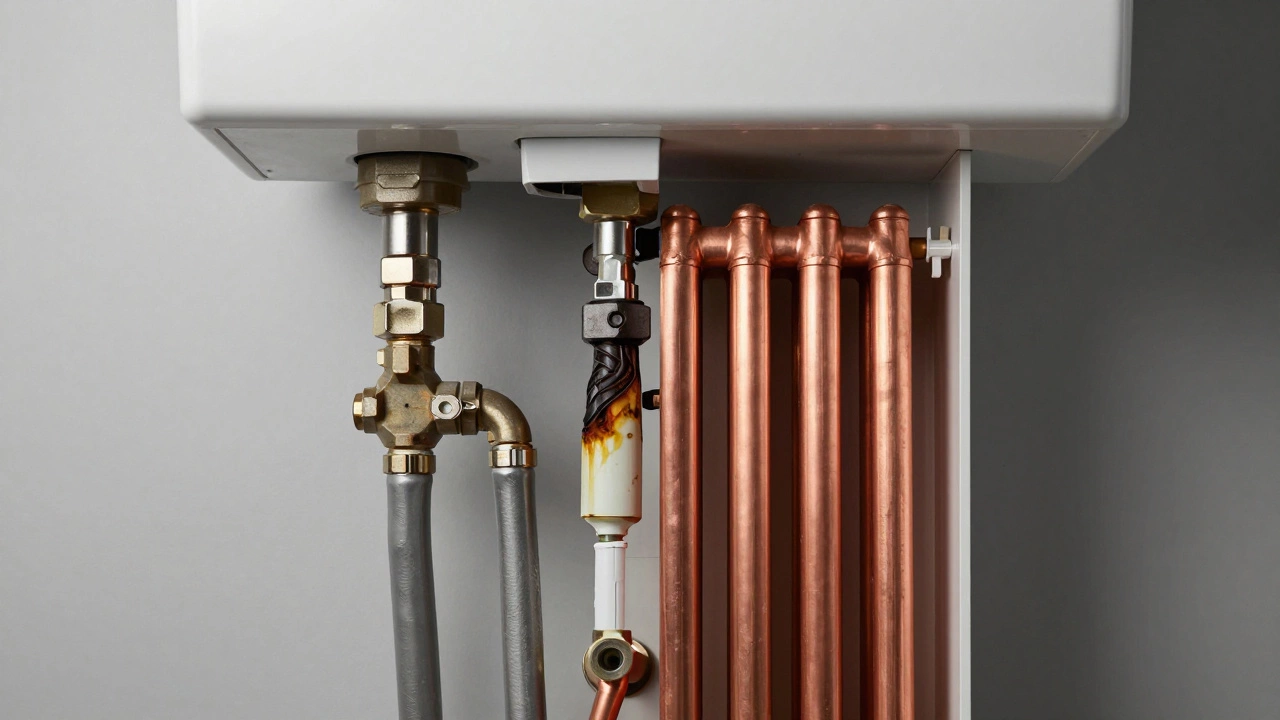
There are some problems that simply cannot be fixed. The biggest one is a leaking tank. Once the inner steel cylinder of a Storage Tank Water Heater develops a crack or a hole due to corrosion, it's game over. You can't "patch" a water tank. Some people try using epoxy or sealant, but with the pressure and heat involved, these patches always fail. It's a waste of time and a huge flood risk for your home.
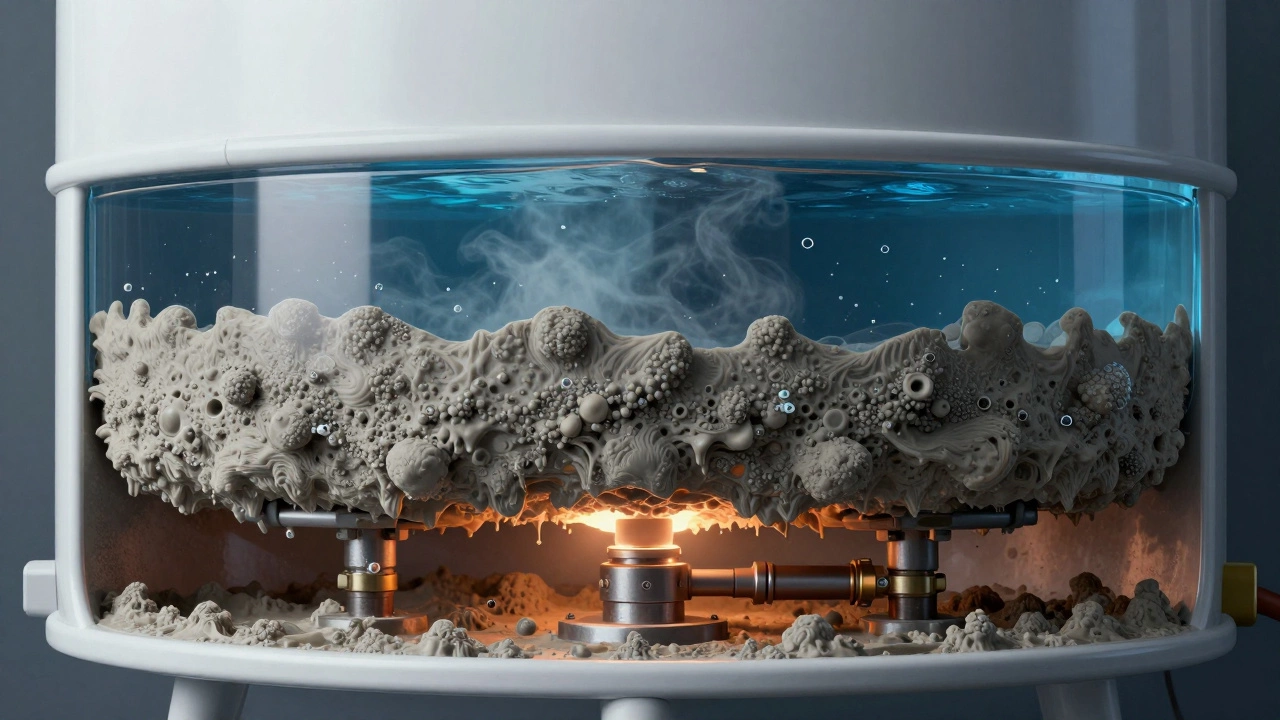
Another major red flag is heavy sediment buildup. If you hear a loud popping or rumbling sound when the heater is running, that's the sound of water boiling through layers of calcium and minerals. While you can flush a tank, if the sediment has already caused the bottom of the tank to overheat and weaken, the structural integrity is compromised. At this point, you're just delaying the inevitable.
| Symptom | Likely Cause | Verdict | Average Cost Level |
|---|---|---|---|
| No hot water (Electric) | Heating Element / Thermostat | Repair | Low to Medium |
| Water pooling at base | Tank Corrosion / Hole | Replace | High |
| Rumbling sounds | Sediment Build-up | Flush or Replace | Low to High |
| Rusty colored water | Internal Tank Rust | Replace | High |
| Intermittent heating | Faulty Control Valve | Repair | Medium |
Comparing the Tech: Tanks vs. Tankless
If you've decided to replace your unit, don't just buy the same thing you had. The tech has shifted. The traditional tank is great for high-demand moments-like three people showering back-to-back-but it wastes a lot of energy keeping 50 gallons of water hot 24/7. This is called standby heat loss.
On the other hand, a Tankless Water Heater is a game-changer. Instead of a big drum, it uses a heat exchanger to warm water on demand as it flows through the pipes. They take up way less space and can last up to 20 years, nearly double the life of a tank. However, the upfront cost is much higher, and you might need to upgrade your gas line or electrical panel to handle the higher power draw.
For most families, the decision comes down to budget versus long-term efficiency. If you plan on moving in two years, a cheap tank replacement is fine. If this is your forever home, the energy savings of a tankless system usually pay for themselves within a decade.
How to Stop Your New Heater From Dying Early
Whether you repair your old unit or buy a new one, you need to maintain it, or you'll be asking this same question in five years. The silent killer of water heaters is Hard Water. When minerals like calcium and magnesium settle at the bottom, they create a crust that insulates the heating element from the water. This forces the heater to work harder, overheating the metal and causing it to crack.
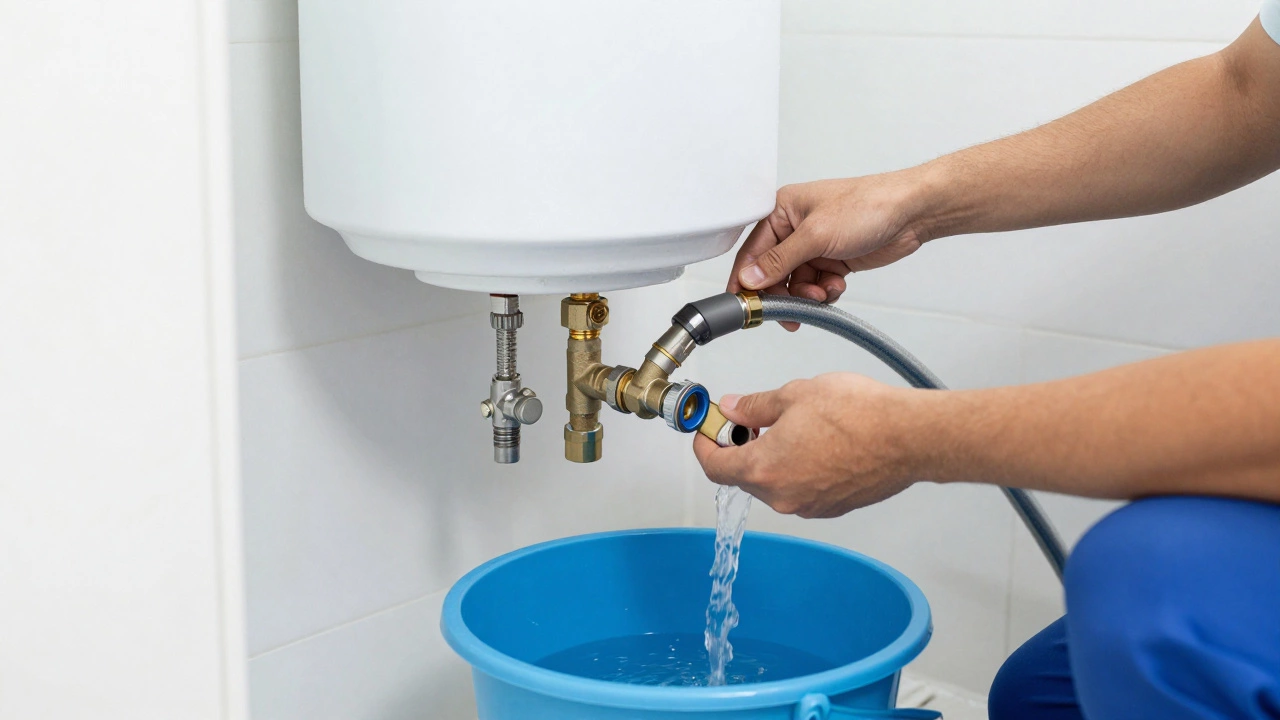
The best thing you can do is flush your tank once a year. You simply attach a hose to the drain valve at the bottom and let it run until the water comes out clear. It takes 20 minutes and can add years to the life of your appliance. Another pro tip is to check your Anode Rod every three years. This is a sacrificial rod that attracts corrosion so the tank doesn't have to. When the rod is completely eaten away, the rust starts attacking your tank walls. Replacing a $50 rod is a lot cheaper than replacing a $1,000 heater.
How long does a typical water heater last?
Standard tank models usually last between 10 and 15 years, depending on the water quality in your area. Tankless models are more durable and often last 20 years or more with proper descaling maintenance.
Can a leaking water heater be patched?
No. If the inner tank is leaking, it means the steel has corroded through. Because the tank is under constant pressure and temperature swings, any patch or sealant will eventually fail, potentially leading to a catastrophic flood in your home.
Why is my water heater making a knocking sound?
This is usually caused by sediment buildup at the bottom of the tank. Air bubbles get trapped under the sediment layer and pop as the water heats up, creating a knocking or rumbling noise. This is a sign you need to flush your tank immediately.
Is it cheaper to repair or replace an electric water heater?
Repair is cheaper if the problem is an electrical component like a heating element or thermostat. However, if the tank is leaking or the unit is over 12 years old, replacing it is more cost-effective because it avoids repeated repair bills and offers better energy efficiency.
Does a tankless water heater save money on bills?
Yes, because it only heats water when you turn on the tap. Traditional tanks keep water hot all day and night, which wastes energy. While the initial installation cost is higher, the monthly utility savings are significant over time.
What to Do Next
If you're currently staring at a puddle of water, your first step is to turn off the power (at the breaker) or the gas supply to prevent further damage. Then, shut off the water intake valve to stop the leak from flooding your floor. If you're not sure if the problem is a simple part failure or a dead tank, call a licensed plumber for a diagnostic visit. It's better to pay for a 30-minute inspection than to guess and accidentally buy a $2,000 machine you didn't actually need.
For those who just bought a new unit, set a recurring reminder in your digital calendar for November 1st (or any date) to perform your annual flush. This small habit is the difference between a heater that dies at year 10 and one that cruises along until year 15.