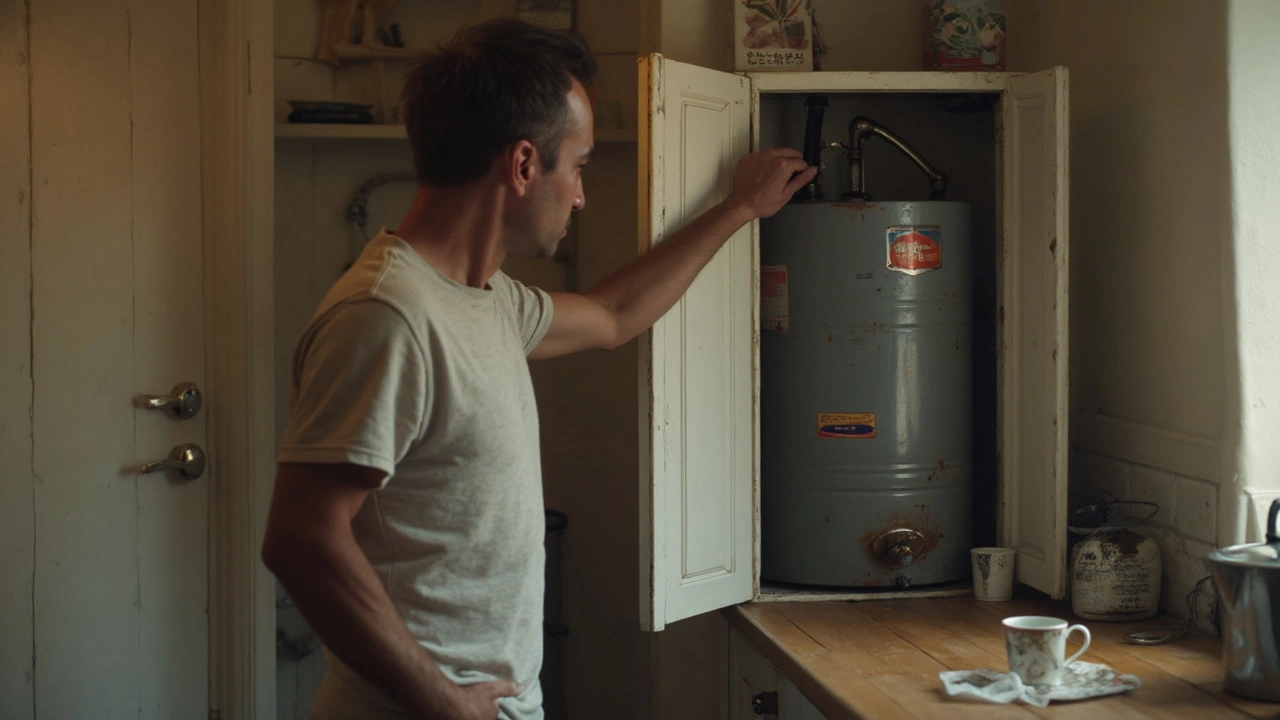
Most people don’t think about their water heater until it stops working. Then suddenly, you’re standing in a cold shower, wondering why it died so soon. The truth? A water heater doesn’t last forever - but how long it lasts depends on more than just age. If you’re asking how many years a water heater should last, the answer isn’t simple. It’s not just a number. It’s a mix of quality, care, water conditions, and usage.
What’s the average lifespan of a water heater?
For a standard tank water heater, expect 8 to 12 years. That’s the typical range you’ll hear from plumbers and manufacturers. But that’s not a guarantee. Some last only 5 years. Others, with the right care, hit 15 or even 18. It’s not magic - it’s maintenance.
Tankless water heaters, on the other hand, last longer. Most last 20 years or more. That’s because they don’t store water. No rusting tank, no sediment buildup in a big barrel. They heat water on demand, which reduces wear and tear. But they cost more upfront and need professional servicing every couple of years to keep that long life.
What kills a water heater faster?
Not all water heaters die of old age. Many die from neglect. Here’s what really shortens their life:
- Hard water - If you live in an area with high mineral content (like Auckland’s North Shore or parts of Waikato), calcium and magnesium build up inside the tank. This layer acts like insulation, making the heater work harder. Over time, it causes the heating element to burn out or the tank to corrode from the inside.
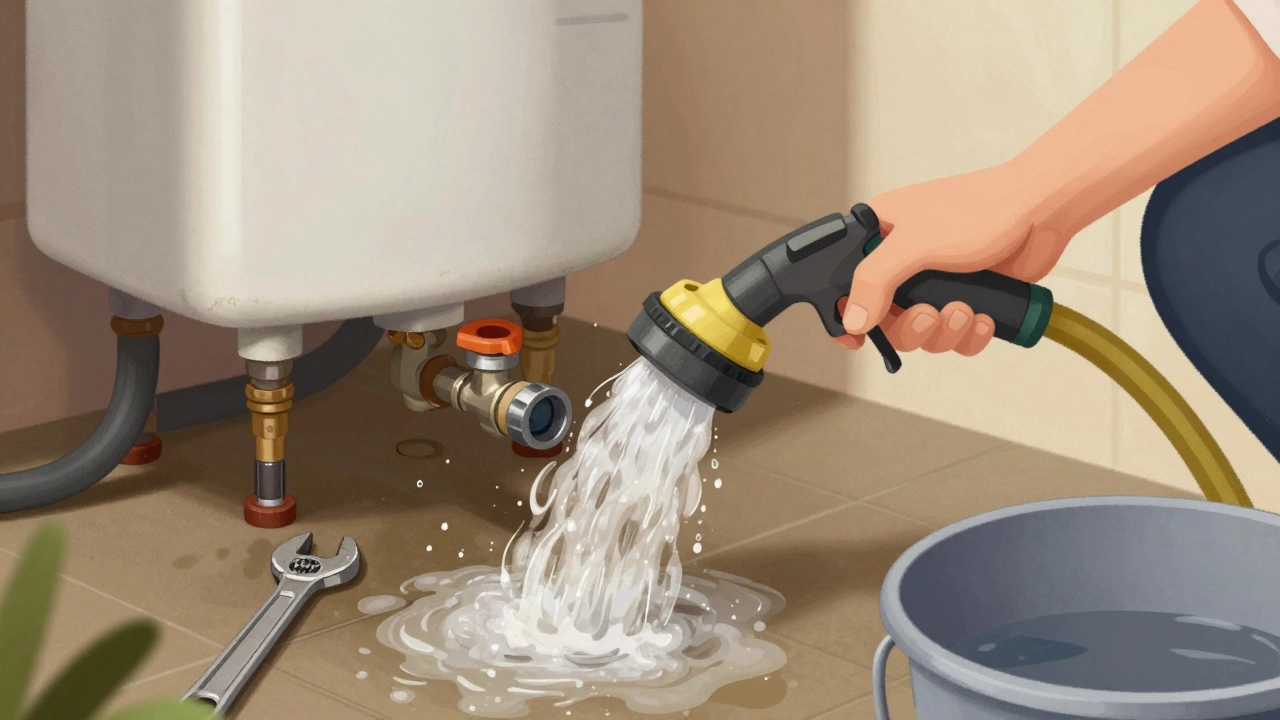
- Skipping the annual flush - Sediment sinks to the bottom of the tank. If you don’t drain it once a year, that sludge traps heat, overheats the metal, and leads to cracks. A simple flush can add 3-5 years to your heater’s life.
- High thermostat settings - Setting your water heater to 70°C or higher might seem like a good idea for extra-hot showers, but it speeds up corrosion and increases pressure. Most manufacturers recommend 60°C. That’s hot enough to kill bacteria and still safe for most uses.
- Old anode rods - The anode rod is the unsung hero of your water heater. It’s a metal stick inside the tank that attracts corrosive elements so the tank doesn’t have to. When it’s gone, the tank starts rusting. Check it every 2-3 years. If it’s more than half eaten away, replace it.
How to tell your water heater is nearing the end
You don’t need to wait for a flood to know it’s time. Look for these signs:
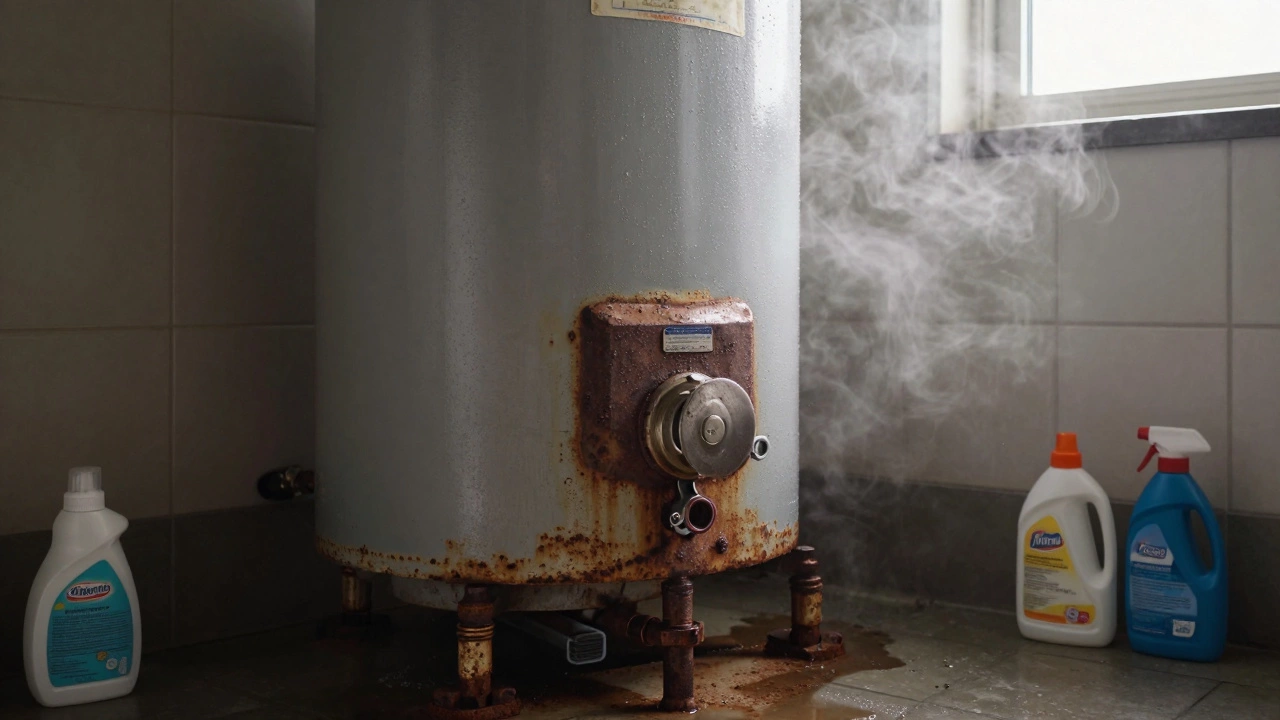
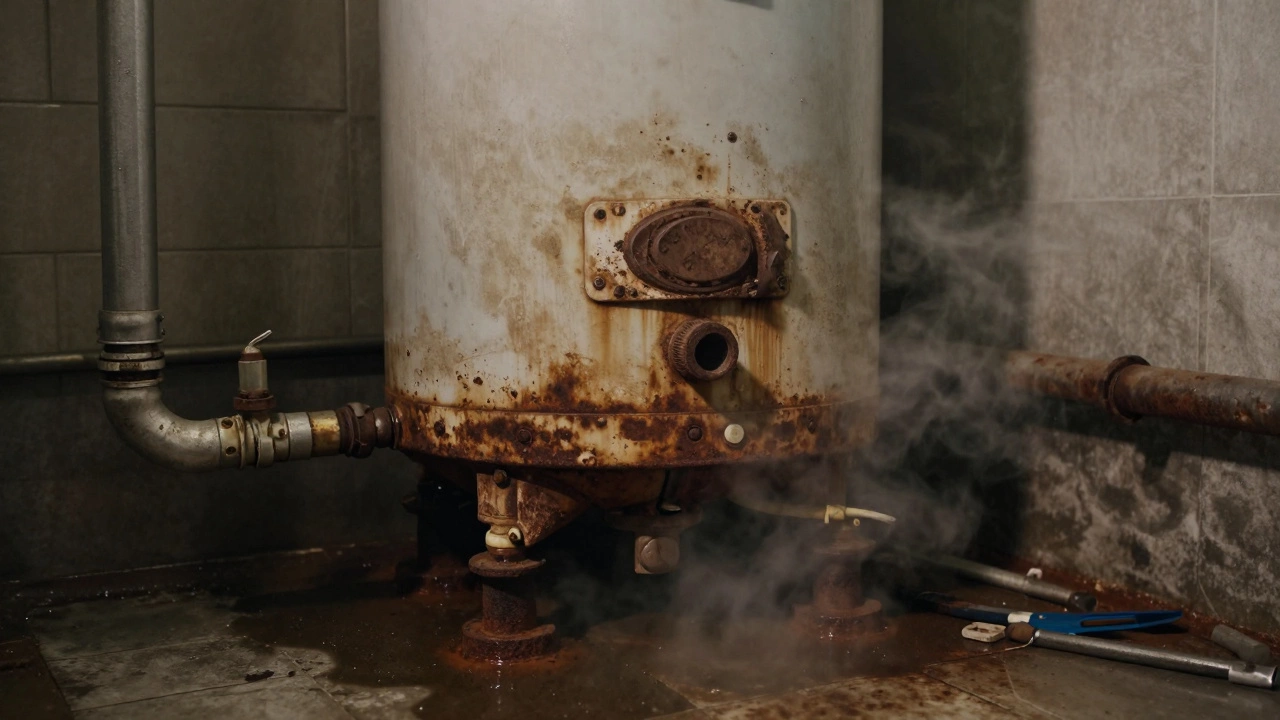
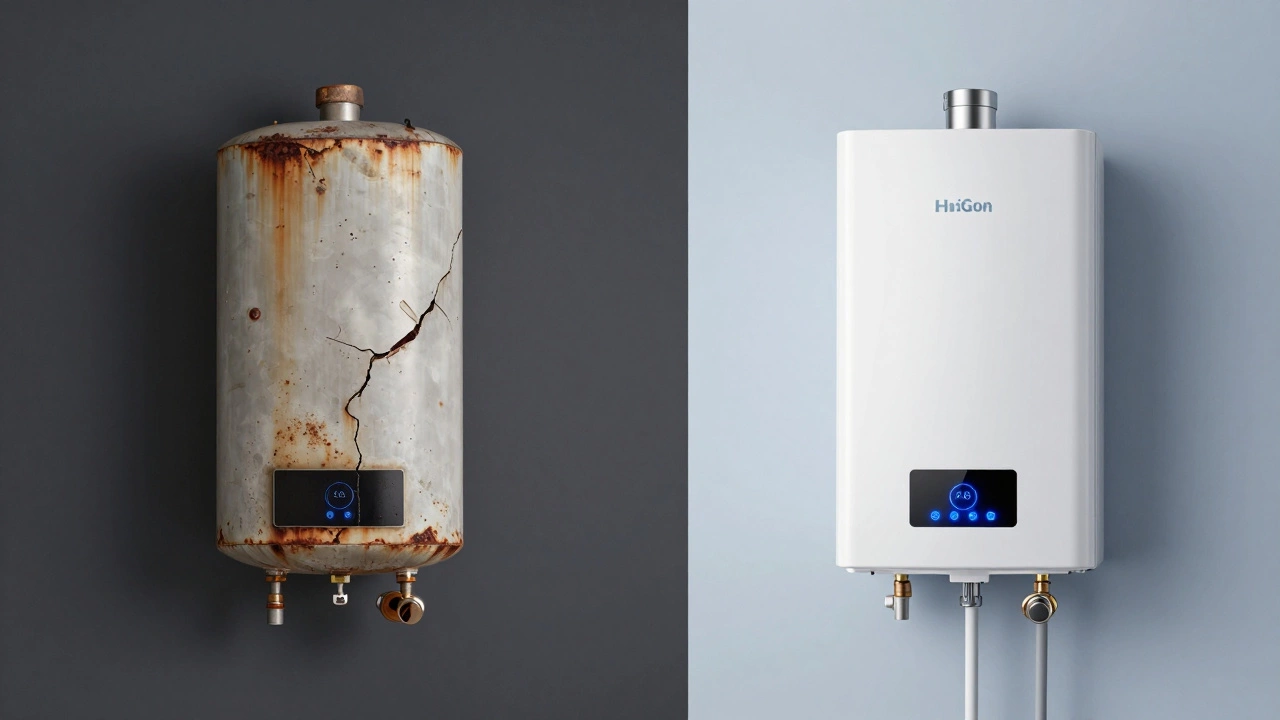
- Rusty water - If your hot water comes out brown or yellow, especially at the start of a shower, rust is leaking from inside the tank. This is a red flag.
- Noises like popping or rumbling - That’s sediment boiling at the bottom. It’s loud, annoying, and a sign your heater is working inefficiently.
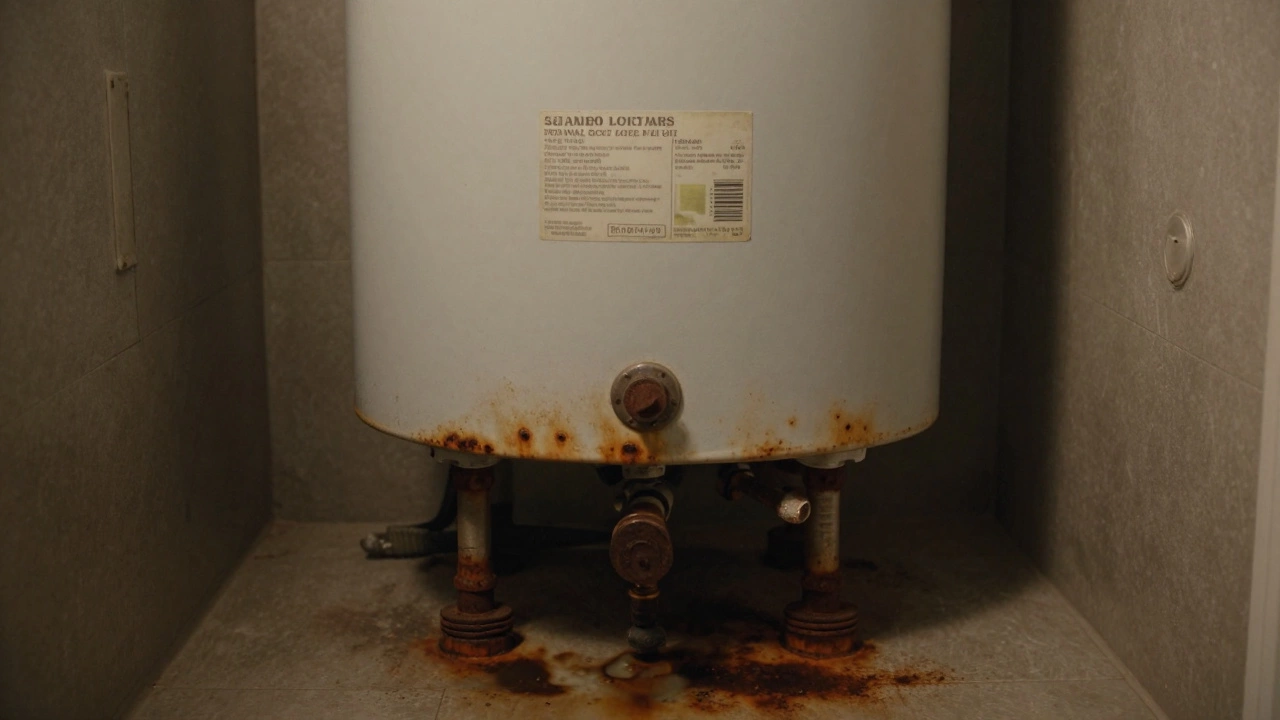
- Water pooling around the base - Even a small puddle means the tank is leaking. Once that happens, repair is rarely worth it.
- Age over 10 years - If your heater is older than 10 years and you’re noticing any of the above, don’t wait for failure. Start planning for replacement.
Water heater types and their real-world lifespans
Not all water heaters are made the same. Here’s how different types perform in real homes:
| Water Heater Type | Average Lifespan | Best For | Key Maintenance Need |
|---|---|---|---|
| Standard Tank (Gas) | 8-12 years | Large households, low upfront budget | Annual flushing, anode rod check |
| Standard Tank (Electric) | 10-15 years | Smaller homes, no gas line | Element inspection, sediment flush |
| Tankless (Gas) | 20+ years | Energy-conscious homes, moderate use | Descaling every 1-2 years |
| Tankless (Electric) | 18-20 years | Small apartments, low-demand use | Filter cleaning, voltage check |
| Heat Pump Water Heater | 12-15 years | Warm climates, high efficiency goals | Filter cleaning, airflow check |
Heat pump water heaters are becoming more common in New Zealand. They pull heat from the air, so they’re efficient - but they need space and decent room temperature. If you install one in a cold garage, it won’t last as long.
Why replacement beats repair after 10 years
Many people try to fix an old water heater. A new element. A new thermostat. A new pressure valve. But after 10 years, the tank itself is worn out. Replacing parts is like patching a leaky roof - it works for a while, but the structure is failing.
Here’s the math: If you spend $400 on repairs for a 12-year-old heater, you’re paying $33 a year for hot water. A new 15-year tank costs $1,500 installed. That’s $100 a year. But the new one uses 20-30% less energy, saves you $200-$300 a year on bills, and gives you 15 years of reliable service. The repair might save you cash now - but it costs more over time.
What to look for when buying a new one
When it’s time to replace, don’t just pick the cheapest model. Look for:
- Energy Star rating - Even in New Zealand, efficiency matters. A high-efficiency heater can cut your energy bill by hundreds over its life.
- Warranty length - A 10-year warranty is standard. A 12-year or 15-year warranty means the manufacturer has confidence in the tank’s build. Check what’s covered - some only cover the tank, not parts.
- Size - Too small, and you run out of hot water. Too big, and you waste energy. A 40-50 gallon tank works for 2-4 people. For 5+ people, go 60-80 gallons.
- Local water conditions - If you have hard water, ask about models with self-cleaning tech or special liners. Some brands offer tanks with corrosion-resistant coatings designed for high-mineral areas.
When to call a professional
Some things you can do yourself - like flushing the tank or checking the anode rod. But other tasks need a licensed plumber:
- Replacing gas lines or venting systems
- Installing a tankless system
- Dealing with electrical wiring for electric or heat pump models
- Testing pressure relief valves
DIY fixes can void warranties or create safety hazards. A gas leak or electrical fault is not worth the risk. Always hire someone registered with the Plumbers, Gasfitters, and Drainlayers Board in New Zealand.
Final advice: Plan ahead
Water heaters don’t usually fail with a bang. They fail slowly. One day, you notice the water isn’t as hot. Then it takes longer to heat up. Then you see rust. By then, you’re in a rush.
Start checking your heater’s age the moment you move into a new home. Write down the installation date on a sticky note and stick it to the tank. Set a calendar reminder for an annual flush. Check the anode rod every two years. Don’t wait for disaster.
Replacing a water heater before it breaks saves you stress, money, and a cold shower. It’s not glamorous. But it’s one of the smartest things you can do for your home.
How long should a water heater last in New Zealand?
In New Zealand, a standard tank water heater typically lasts 8 to 12 years. Tankless models last 20 years or more. Lifespan depends heavily on water hardness, maintenance, and usage. Areas with hard water, like parts of Auckland and Canterbury, see shorter lifespans unless the tank is flushed annually.
Is it worth repairing a 10-year-old water heater?
Generally, no. After 10 years, the tank is nearing the end of its life. Even if you fix a broken element or valve, the tank itself is likely corroded. Repairing it might cost $300-$600, but you’ll likely need a new unit within 1-3 years. Replacing it with a new, efficient model saves money on energy bills and avoids emergency replacement costs.
What’s the most common cause of water heater failure?
The most common cause is internal corrosion from sediment buildup and a worn-out anode rod. Hard water accelerates this process. If you don’t flush the tank yearly, minerals settle at the bottom, causing the tank to overheat and rust from the inside out. This is why maintenance matters more than brand.
Can I extend my water heater’s life without spending money?
Yes. Lower the thermostat to 60°C. That reduces mineral buildup and corrosion. Drain a bucket of water from the tank every 6 months to remove sediment. Check the pressure relief valve once a year by lifting the lever - if water flows, it’s working. These free habits can add 3-5 years to your heater’s life.
Should I switch to a tankless water heater?
It depends. Tankless heaters last longer and save energy, but they cost 2-3 times more to install. They’re ideal if you have moderate hot water use and want to cut bills long-term. If you have a large family that runs multiple showers at once, a tankless might struggle unless it’s a high-capacity model. For most New Zealand homes, a high-efficiency tank is the smarter, more reliable choice.
Next steps: What to do now
If you’re not sure how old your water heater is, check the serial number on the label. The first two digits often show the year it was made. If it’s over 10, start preparing for replacement. If it’s under 8 and working fine, schedule a flush this winter. Don’t wait for the cold to hit before you act.
Keep a note of your heater’s make, model, and installation date. That info helps when you’re shopping for a replacement. And if you’re replacing it, consider a model with a 12-year or longer warranty - it’s a sign of better quality.
Hot water is one of those things you only notice when it’s gone. But with a little attention, you can make it last - and avoid the worst kind of winter surprise.