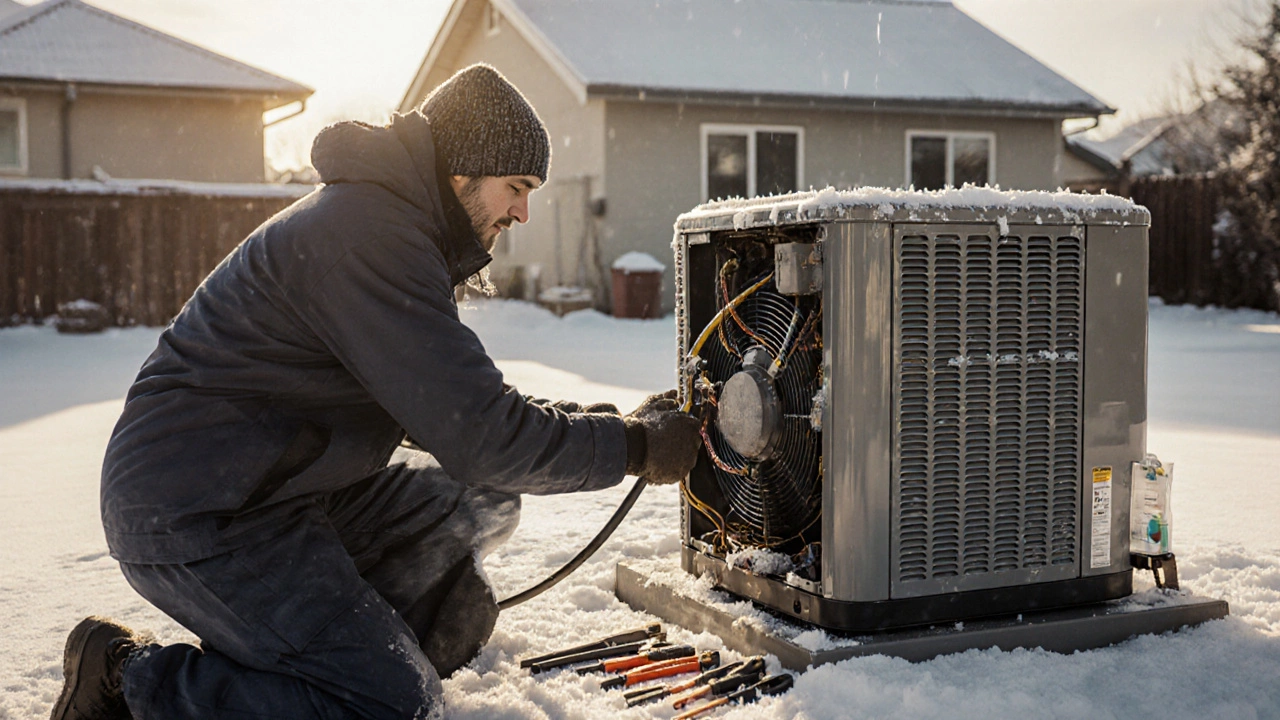
When your heat pump stops heating properly, the first thing you hear is the word compressor. It’s the heart of the system. If it fails, everything else stops working. And if you’re staring at a broken heat pump in winter, you’re probably wondering: how much does a compressor cost to replace?
The short answer? Between $1,200 and $3,500 in New Zealand, depending on your system size, brand, and labour. But that number means nothing if you don’t know why it’s so high - or whether you’re even getting a fair deal.
Why the compressor is the most expensive part
Most people think a heat pump is like a fridge - it just moves heat around. That’s true. But unlike your fridge, your heat pump runs 12-18 hours a day in winter. It’s under constant stress. The compressor is the component that squeezes refrigerant gas to make it hot enough to warm your home. It’s built tough, but not indestructible.
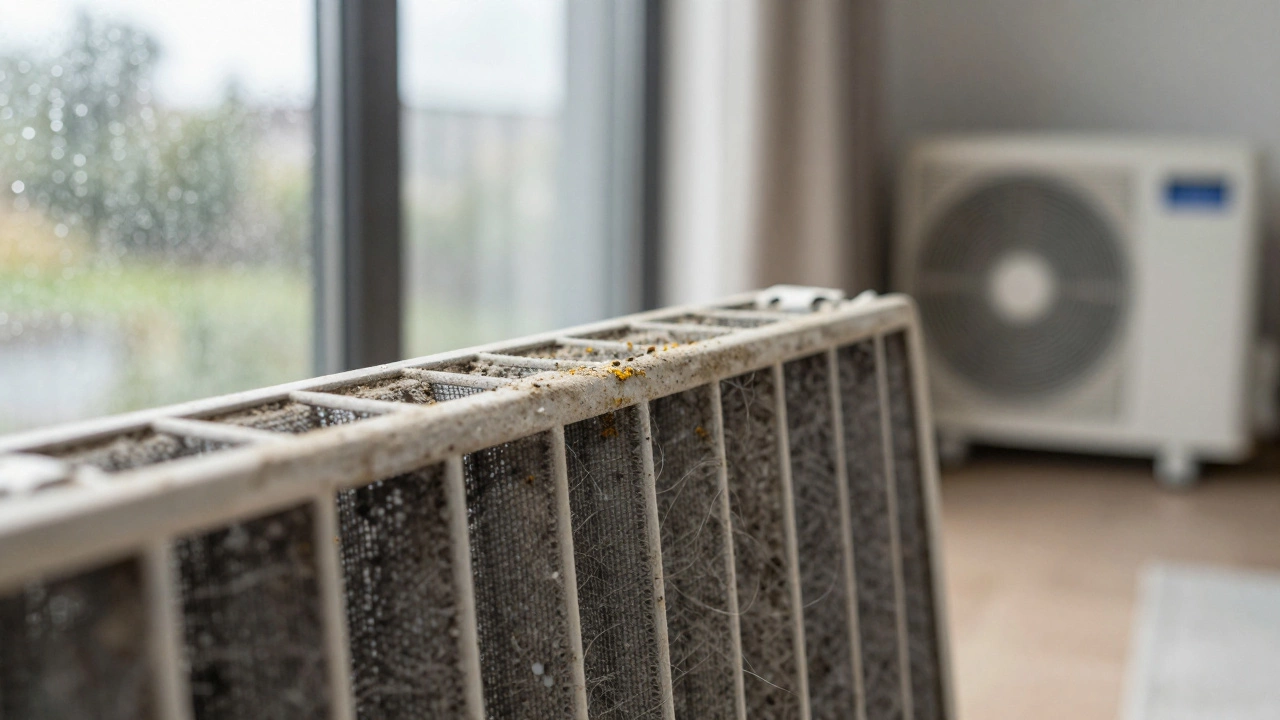
When it fails, it’s rarely because of a simple fix. A bad capacitor? That’s $120. A dirty coil? That’s $200 to clean. But a compressor that’s seized, burned out, or leaking refrigerant? That’s a full replacement. And that’s where the cost jumps.
Heat pump compressors aren’t like car parts you can pick up at a hardware store. They’re custom-built for specific models. A Mitsubishi Electric MSZ-FH12NA uses a different compressor than a Daikin FTXS35LVMA. Even if you find a generic one, it won’t match the refrigerant flow, pressure, or electrical specs. That’s why you can’t just swap in any old compressor.
What’s included in the price?
When you get a quote for a compressor replacement, you’re not just paying for the part. Here’s what you’re actually buying:
- Compressor unit - $600 to $2,200 depending on brand and capacity
- Refrigerant recovery and recharge - $300 to $500 (required by law in NZ)
- Labour - $400 to $900 (6-10 hours of skilled work)
- Evacuation and leak testing - $150 to $300
- Warranty on parts and labour - usually 1 year
Some companies will give you a $1,500 quote and forget to mention the refrigerant charge. Others will include everything but use a no-name compressor. Always ask for a line-by-line breakdown. If they won’t give you one, walk away.
Brand matters - and it’s not just about price
Not all compressors are created equal. Here’s how common brands stack up in New Zealand:
| Brand | Typical Cost Range | Reliability (NZ Experience) | Warranty |
|---|---|---|---|
| Mitsubishi Electric | $1,800-$2,800 | Excellent - runs 15+ years with maintenance | 5 years on compressor |
| Daikin | $1,700-$2,500 | Very good - fewer failures than average | 5 years |
| Panasonic | $1,600-$2,400 | Good - quieter, but less common in NZ | 5 years |
| LG | $1,500-$2,200 | Fair - higher failure rate after 8 years | 3 years |
| Generic / Aftermarket | $600-$1,200 | Poor - 40% fail within 2 years | 1 year |
Most NZ technicians won’t install a generic compressor. Why? Because they’ve seen the aftermath. A cheap compressor might save you $800 upfront, but it’ll die in 18 months. Then you pay again. And by then, your refrigerant lines may be corroded, your capacitor fried, and your control board damaged from voltage spikes. You’re not saving money - you’re just delaying the inevitable.

When replacement isn’t worth it
Here’s the hard truth: if your heat pump is older than 10 years, replacing the compressor might be throwing good money after bad.
Heat pumps built before 2015 often use R22 refrigerant - a banned substance in New Zealand since 2020. Even if you can find a compressor that works with it, the refrigerant itself costs $150-$250 per kilogram. A full recharge needs 1.5-2.5kg. That’s $375-$625 just for gas, and it’s getting harder to source legally.
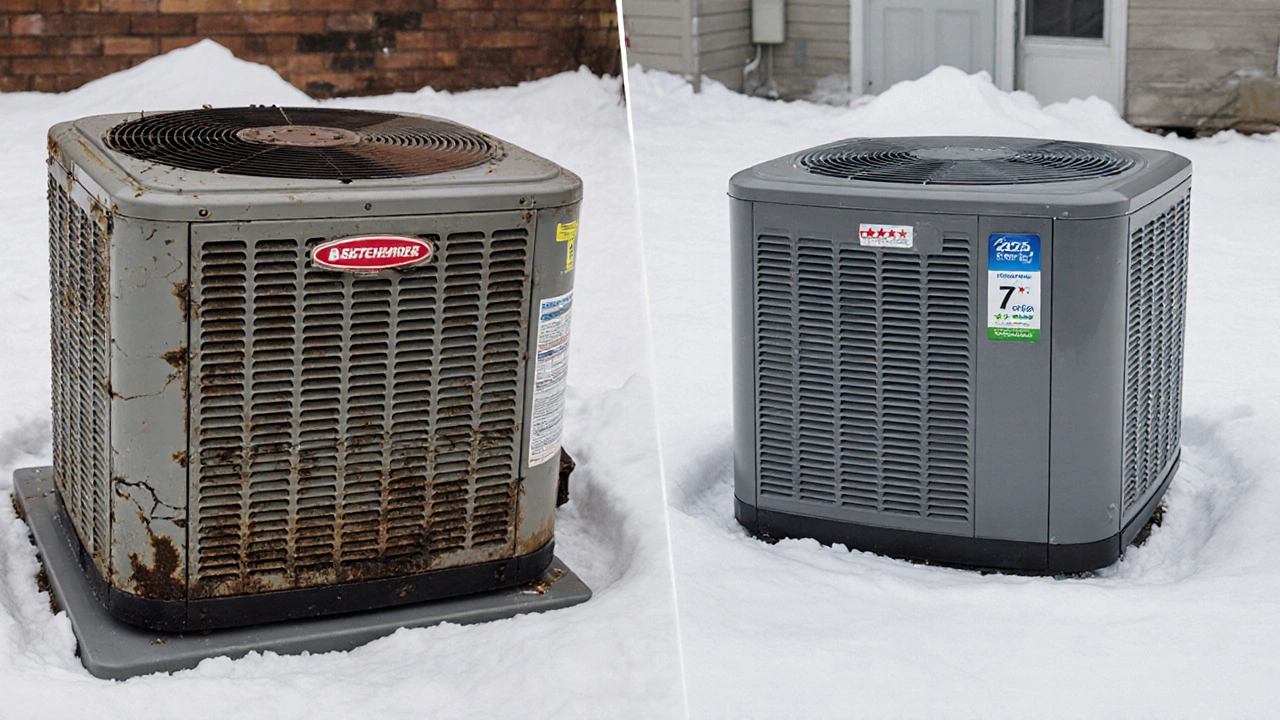
Older units also lack modern efficiency ratings. A 2010 model might have a 4.5-star rating. A new 2025 model hits 7 stars. That’s a 40% drop in electricity use. If you’re paying $1,800 to replace the compressor in an old system, you’re essentially paying $1,800 to keep using a gas-guzzling appliance.
Consider this: a new 5kW heat pump system (including installation) costs $3,500-$5,000. If your current unit is 12 years old, and you’ve already spent $1,500 on repairs this year, the math starts to shift. New systems come with 5-10 year warranties, smart controls, and lower running costs. You’ll break even in 3-5 years on energy savings alone.
What to ask before you pay
Don’t sign anything without asking these five questions:
- Is the compressor OEM or aftermarket? OEM means Original Equipment Manufacturer - same as what came in your unit. Aftermarket is a copy. Ask for the brand and model number.
- Are you using R410A or R32 refrigerant? If they say R22, walk out. It’s illegal to top up in NZ.
- Will you test for refrigerant leaks before recharging? If the system leaked once, it’ll leak again unless the cause is fixed.
- What’s covered in the warranty? Labour? Parts? Both? For how long?
- Will you dispose of the old compressor properly? It contains oil and refrigerant - both hazardous. Reputable companies handle this legally.
Any technician who can’t answer these clearly isn’t someone you should trust with your home’s heating.
How to avoid this cost next time
Replacing a compressor is expensive - but it’s also preventable. Here’s what actually works:
- Change the air filter every 3 months - dirty filters force the compressor to work harder.
- Get a professional service every 12 months - they clean the coils, check refrigerant levels, and spot early signs of stress.
- Don’t turn the heat pump off and on constantly - each start-up puts strain on the compressor. Use a timer instead.
- Keep the outdoor unit clear - leaves, snow, and debris block airflow. A blocked unit overheats the compressor.
- Install a surge protector - voltage spikes from storms or grid issues fry compressors. A $100 device can save you $2,000.
These steps don’t cost much. But they extend the life of your compressor by 5-8 years. That’s the real savings.
What to do if you can’t afford it
If you’re facing a $3,000 bill and don’t have the cash, don’t panic. Here’s what you can do:
- Ask for a payment plan - many reputable companies offer 6-12 month interest-free options.
- Check for government rebates - the Warm Up New Zealand scheme sometimes covers heat pump upgrades for low-income households.
- Get a second quote - prices vary wildly. One technician in Auckland quoted $3,100. Another, 5km away, quoted $2,200 for the same job.
- Consider a temporary heater - a good oil-filled radiator or fan heater can keep you warm while you save up.
Don’t let a broken heat pump freeze you out. But also don’t let fear make you pay too much.
Can I replace a heat pump compressor myself?
No. Compressor replacement requires certified refrigerant handling licenses in New Zealand. It’s illegal for unlicensed people to open refrigerant lines. Even if you could do it, you’d need specialized tools to evacuate the system, test for leaks, and recharge to exact pressures. A mistake could damage your home or cause environmental harm. Always hire a licensed technician.
How long does a heat pump compressor last?
With proper maintenance, a compressor lasts 10-15 years. Most failures happen between 8 and 12 years due to lack of servicing, dirty filters, or voltage spikes. Units in coastal areas like Auckland degrade faster because of salt air corrosion on electrical components.
Is it cheaper to replace the whole heat pump instead of just the compressor?
It depends. If your unit is under 8 years old and in good condition, replacing the compressor is usually the better choice. If it’s older than 10 years, or if you’ve had multiple repairs in the last 2 years, replacing the whole system is often more cost-effective over time. Newer models are 30-50% more efficient and come with longer warranties.
Why does the compressor cost so much more than other parts?
Because it’s the most complex part. It’s a sealed, high-pressure motor that runs continuously under extreme conditions. It’s made from precision-machined steel, copper, and rare alloys. It’s not something you can buy off the shelf. It’s engineered for specific refrigerant flow rates, torque, and thermal loads. That engineering and manufacturing cost is passed on.
Do all heat pumps have compressors?
Yes. All air-source heat pumps - the kind used in homes - rely on a compressor to move refrigerant and transfer heat. Even ducted systems, wall-mounted units, and floor-standing models all use the same basic principle. Without a compressor, there’s no heating or cooling.
Final thought: Don’t guess - get it checked
If your heat pump isn’t warming up, don’t assume it’s the compressor. It could be a faulty thermostat, a blocked coil, or a failed fan motor - all much cheaper fixes. A qualified technician can diagnose the issue in under an hour for $80-$120. That’s a small price to pay before you commit to a $3,000 repair.
Heat pumps are built to last. But they need care. And when they fail, you need to know what you’re paying for - not just how much.