Heat Pump Filter Replacement Calculator
The number one cause of heat pump failure is dirty air filters. This calculator helps you determine your optimal replacement schedule based on your home environment.
Next Replacement Date
Your Heat Pump Will Last LongerHeat pumps are one of the most efficient ways to heat and cool your home in New Zealand, especially in places like Auckland where winters are mild but damp. But when your heat pump stops working, it’s not just an inconvenience-it’s a cold, uncomfortable reality. You might think it’s just old age, but most heat pumps don’t just die randomly. They fail because of things you can see, hear, or even prevent.
Dirty Air Filters Are the #1 Killer
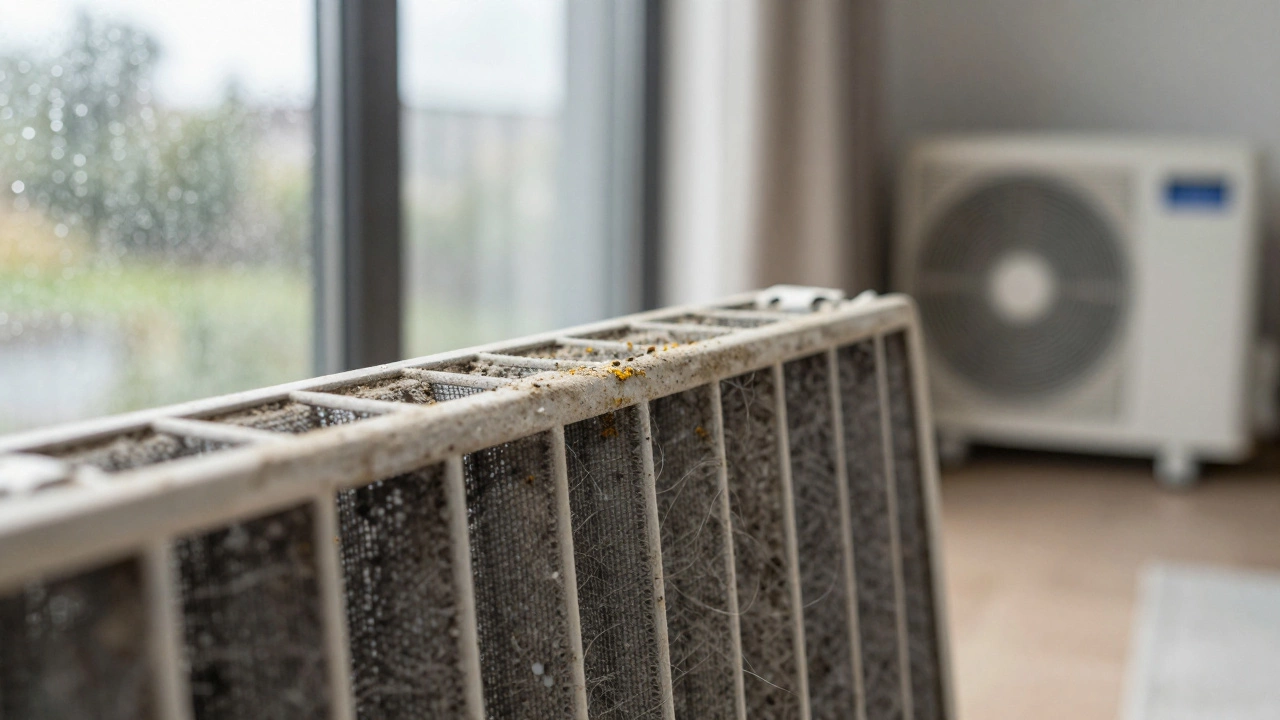
Most people don’t check their heat pump’s air filter until the unit starts making strange noises or blowing weak air. But a clogged filter is the most common reason heat pumps fail early. When dust and pet hair build up, the system has to work harder to pull air through. That extra strain overheats the compressor, the most expensive part of the unit. In Auckland’s humid climate, dust mixes with salt air and pollen, making filters gunk up faster than in drier regions.
Replace your filter every 3 months-every month if you have pets or allergies. A clean filter doesn’t just save your heat pump; it cuts your electricity bill by up to 15%. If your filter looks like a gray sponge, your compressor is already under stress.
Improper Installation Leads to Early Death
A poorly installed heat pump won’t last half as long as a properly fitted one. I’ve seen units installed too close to walls, blocking airflow. Others were mounted on uneven brackets that cause vibration and loose pipes. Some installers skip the vacuum purge step, leaving moisture inside the refrigerant lines. That moisture turns to ice in cold weather, cracking copper lines and ruining the compressor.
Look for a technician who uses a digital manifold gauge to check vacuum levels and refrigerant charge. If they just hook up the lines and turn it on without testing, walk away. A bad install can kill a heat pump in under two years-even if it’s a top-brand model.
Refrigerant Leaks Are Silent Killers
Heat pumps run on refrigerant, a chemical that moves heat in and out of your home. It’s not fuel-it doesn’t get used up. So if your heat pump is low on refrigerant, there’s a leak. Many homeowners think they just need a top-up. That’s like adding oil to a car with a hole in the oil pan.
Leak points usually show up at solder joints, valves, or where copper lines connect to the indoor unit. Over time, vibration and corrosion eat through these spots. A small leak might not show up until winter, when the system struggles to heat. By then, the compressor has been running dry for months, overheating and seizing.
If your heat pump isn’t heating well and the refrigerant lines are frosty or oily, call a pro. Don’t just refill it-find and fix the leak. Otherwise, you’re throwing money away.
Ignoring the Defrost Cycle
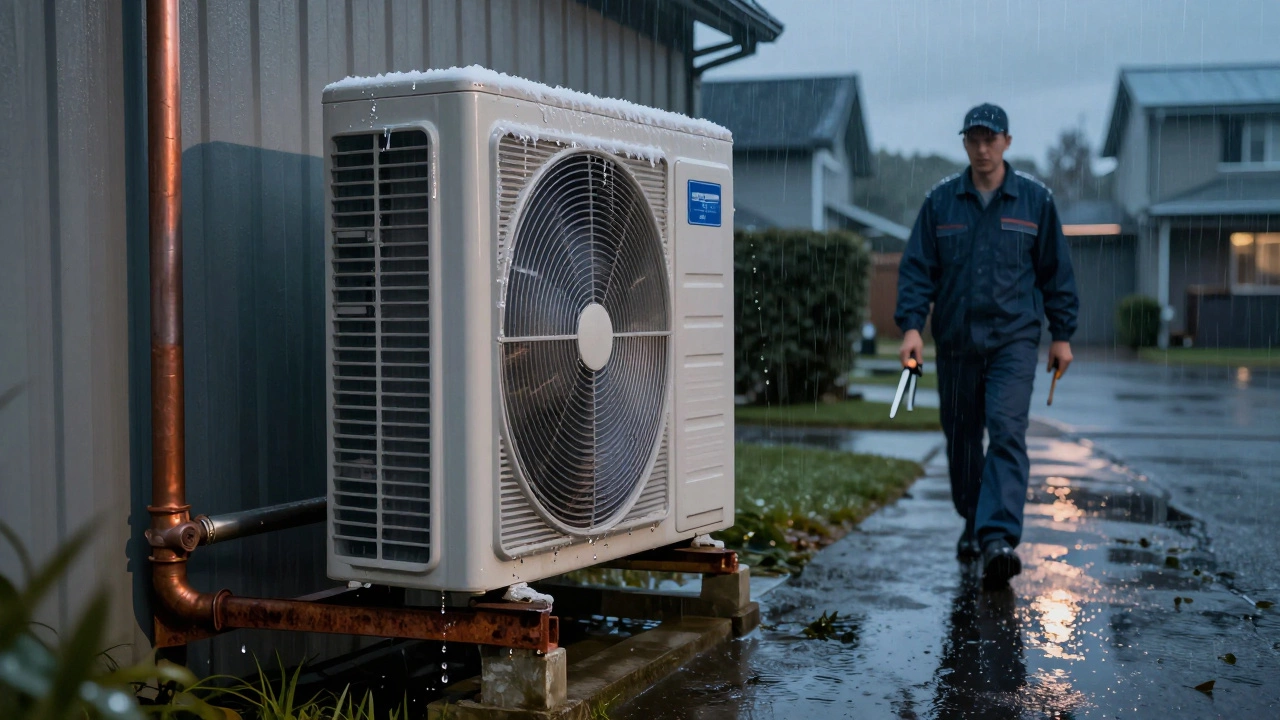
In Auckland’s winter, frost builds up on the outdoor unit. That’s normal. But heat pumps have a built-in defrost cycle to melt it. If that system fails-because of a bad sensor, stuck valve, or faulty control board-the frost turns to ice. Ice blocks airflow. The fan motor burns out. The compressor works harder to push air through. Eventually, it overheats and dies.
Check your outdoor unit after a frosty night. If it’s covered in a thick, solid sheet of ice instead of light frost, your defrost system isn’t working. You might hear a loud clicking or buzzing when it tries to kick in. Don’t wait for it to break. Have a technician test the defrost sensor and thermostat every 2 years.
Running the Heat Pump Nonstop
Some people think turning their heat pump on 24/7 keeps the house warmer. But heat pumps are designed to cycle on and off. Running constantly forces the compressor to work without rest. That’s like driving your car at 120 km/h for weeks straight.
Modern heat pumps have smart thermostats and inverter tech that adjust output based on demand. You don’t need to keep it running all day. Set it to 20°C during the day and drop it to 17°C at night. Use curtains to trap heat. A heat pump that cycles normally lasts 15-20 years. One that runs nonstop might die in 8.
Lack of Professional Maintenance
Most people clean the filter and forget the rest. But heat pumps need more than that. Coils get dirty. Drain lines clog. Electrical connections loosen. Bearings wear. A professional service includes:
- Cleaning indoor and outdoor coils with non-corrosive cleaner
- Checking refrigerant levels and pressure
- Testing the defrost cycle and sensors
- Inspecting electrical terminals for corrosion
- Clearing the condensate drain line
Get this done once a year, ideally before winter. A $150 service can save you $2,000 in repairs. Skip it, and you’re gambling with your unit’s life.
Old Age and Poor-Quality Units
Heat pumps last 15-20 years on average. If yours is over 12 years old and starting to act up, it’s not always worth fixing. Cheaper models-especially those sold online or at discount stores-use thin copper tubing, low-grade compressors, and flimsy fans. They’re built to last 5-8 years, not 15.
Look at the brand. Mitsubishi, Daikin, and Panasonic units in New Zealand have proven reliability. Off-brand units from unknown manufacturers often fail within 3-5 years. If you bought a $1,500 heat pump 5 years ago and it’s now failing, you didn’t save money-you paid twice.
What to Do When Your Heat Pump Fails
Before you call a repair tech, do this quick check:
- Is the power on? Check the circuit breaker.
- Is the filter clean? Replace it if it’s dirty.
- Is the outdoor unit covered in ice? Turn it off and let it thaw.
- Do you hear clicking but no air? That’s often a capacitor issue.
- Is there water leaking inside? Clogged drain line.
If none of those fix it, call a licensed technician. Don’t try to recharge refrigerant yourself. It’s illegal in New Zealand without a license, and it’s dangerous.
How to Make Your Heat Pump Last Longer
Here’s a simple checklist to extend your heat pump’s life:
- Replace the air filter every 3 months (monthly if you have pets)
- Keep the outdoor unit clear of leaves, snow, and debris
- Don’t cover the indoor unit with curtains or furniture
- Use a programmable thermostat to avoid constant running
- Get a professional service every year
- Upgrade to a reputable brand if your unit is over 12 years old
Heat pumps are tough machines-but they’re not invincible. Treat them right, and they’ll keep your home comfortable for decades. Ignore them, and you’ll be paying for a replacement sooner than you think.
Why does my heat pump freeze up in winter?
A heat pump freezes up when the defrost cycle isn’t working properly. Frost forms naturally on the outdoor unit in cold, damp weather, but it should melt automatically. If it doesn’t, the sensor or valve controlling the cycle is faulty. Ice buildup blocks airflow, forcing the compressor to overwork. Clean the filter, turn off the unit, and let it thaw. If it freezes again, call a technician to check the defrost system.
Can a heat pump be repaired, or should I replace it?
If your heat pump is under 10 years old and the issue is a simple fix-like a bad capacitor, dirty coil, or clogged drain-it’s worth repairing. But if it’s over 12 years old, the compressor is failing, or you’re spending more than half the cost of a new unit on repairs, replacement is smarter. Older units are also less efficient. A new inverter heat pump can cut your heating bills by 30-50%.
How often should I service my heat pump?
Service your heat pump once a year, ideally before winter. A professional check-up includes cleaning coils, checking refrigerant levels, testing the defrost cycle, inspecting electrical connections, and clearing the drain line. Skipping service is the #1 reason heat pumps fail early. Even if it seems to be working fine, hidden issues like slow refrigerant leaks or worn bearings won’t show up until it’s too late.
Is it normal for my heat pump to make loud noises?
Some noise is normal-like a soft hum or the sound of air moving. But loud banging, screeching, or grinding means something’s wrong. A banging sound could be a loose part or failing fan motor. A screech often means the fan belt is worn or the bearings are dry. Grinding usually points to compressor trouble. Don’t ignore it. These sounds mean parts are wearing out fast. Get it checked before the whole unit fails.
Does running my heat pump all day save money?
No. Heat pumps are designed to cycle on and off based on temperature needs. Running it nonstop forces the compressor to work without rest, which wears it out faster and uses more electricity. Use a programmable thermostat to lower the temperature at night or when you’re out. Keeping your home at 18-20°C during the day and 16-17°C at night is more efficient than leaving it on high all day.