Extractor Fan Replacement Calculator
Estimate Your Fan's Lifespan
Based on Auckland's humid climate and common usage patterns
Estimated Lifespan
Most people don’t think about their extractor fan until it stops working-or starts making a noise like a dying dragon. But if you’re wondering how often you need to replace an extractor fan, the answer isn’t as simple as "every five years." It depends on how much you use it, where it’s installed, and whether you’ve kept it clean. In Auckland homes, where humidity and cooking fumes are constant, extractor fans work harder than you might realize.
How Long Do Extractor Fans Usually Last?
On average, a well-maintained extractor fan lasts between 10 and 15 years. That’s the sweet spot for most models sold in New Zealand over the last decade. But if you’ve got a cheap fan from a hardware store that’s been running non-stop in a small bathroom or above a gas stove, it might give out in as little as 5 years. High-end models with brushless motors and sealed bearings can push past 20 years if cleaned regularly.
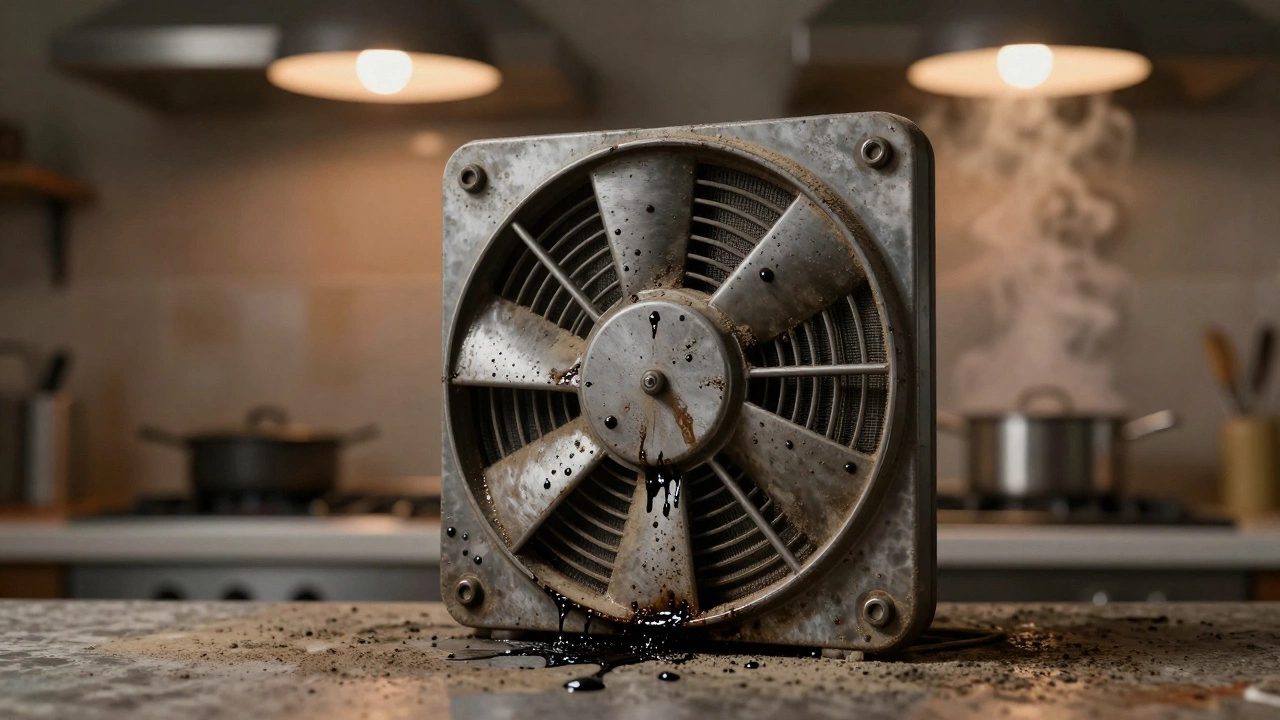
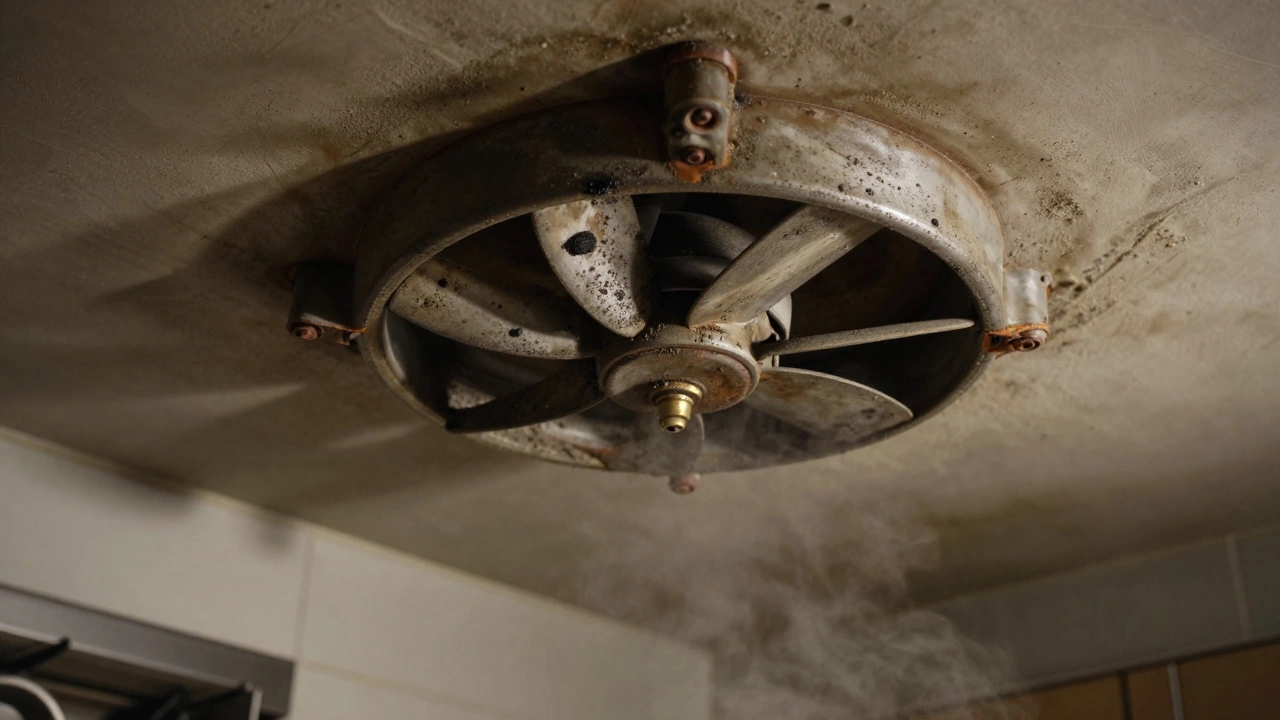
Here’s what actually kills extractor fans: grease buildup, dust clogging the motor, and moisture rusting the bearings. In kitchens, grease coats the blades and motor housing like sticky tar. In bathrooms, steam condenses inside the housing and corrodes metal parts. If you’ve ever opened up a fan and found a layer of black gunk inside, you’re not alone-and you’re probably overdue for a replacement.
Signs It’s Time to Replace Your Extractor Fan
You don’t need to wait until it stops working completely. Here are five clear signs your fan is on its last legs:
- It’s louder than ever. A sudden increase in noise-buzzing, grinding, or rattling-is usually a sign the motor bearings are worn out. Replacing the motor isn’t worth it; the whole unit is likely failing.
- It doesn’t move air anymore. Hold a piece of tissue paper near the vent. If it doesn’t pull it firmly, the fan’s not pulling enough air. This could be a clogged duct, but if cleaning the filter and vents doesn’t fix it, the motor’s weak.
- It turns on but doesn’t spin. If you hear the motor hum but the blades don’t move, the capacitor or motor is fried. This is a common failure point in older units.
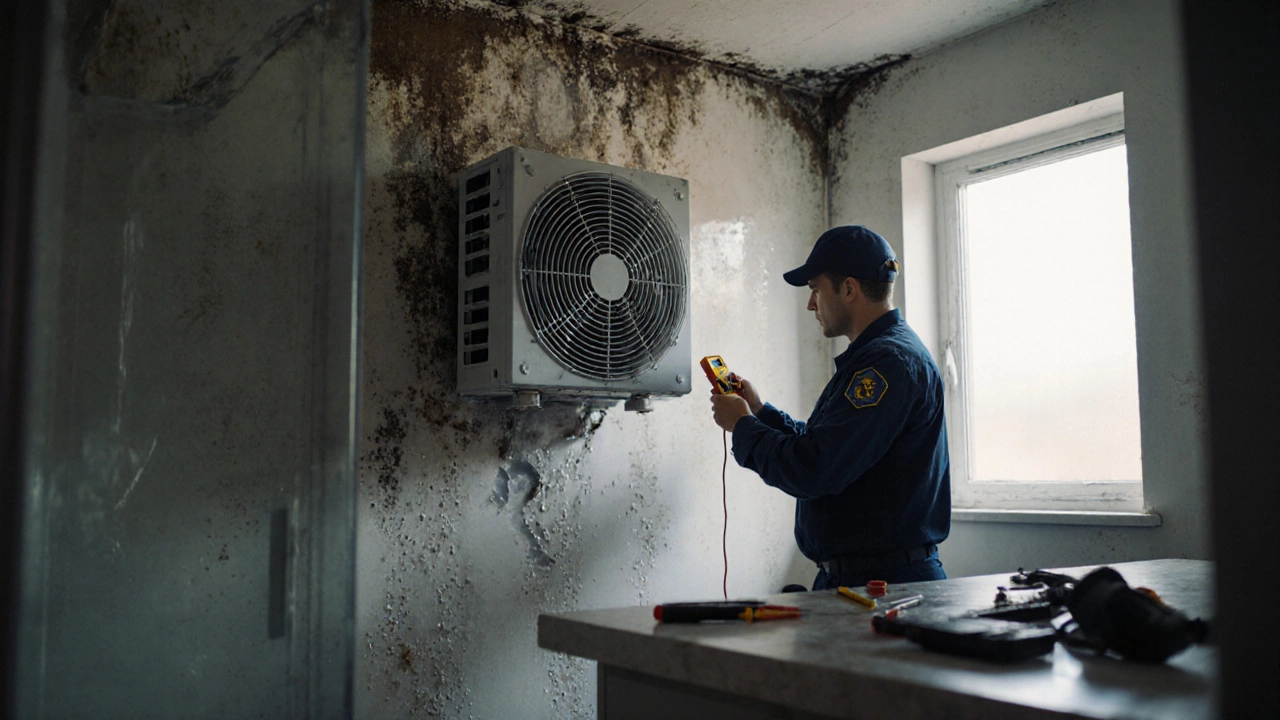
- Moisture or mold is building up. If your bathroom walls or ceiling still get damp after showering, or if you see black mold growing near the vent, your fan isn’t removing humidity fast enough. This isn’t just annoying-it’s a health risk.
- It’s over 12 years old. Even if it’s still working, fans older than 12 years are typically inefficient, noisier, and more likely to fail soon. Newer models use 40% less energy and are much quieter.
What Happens If You Don’t Replace It?
Ignoring a failing extractor fan doesn’t just mean you’ll smell last night’s curry for days. In Auckland’s damp climate, poor ventilation leads to serious problems:
- Mold growth. Moisture trapped in walls and ceilings breeds black mold, which can trigger allergies and respiratory issues. The Ministry of Health in New Zealand has linked poor bathroom ventilation to increased asthma cases in children.
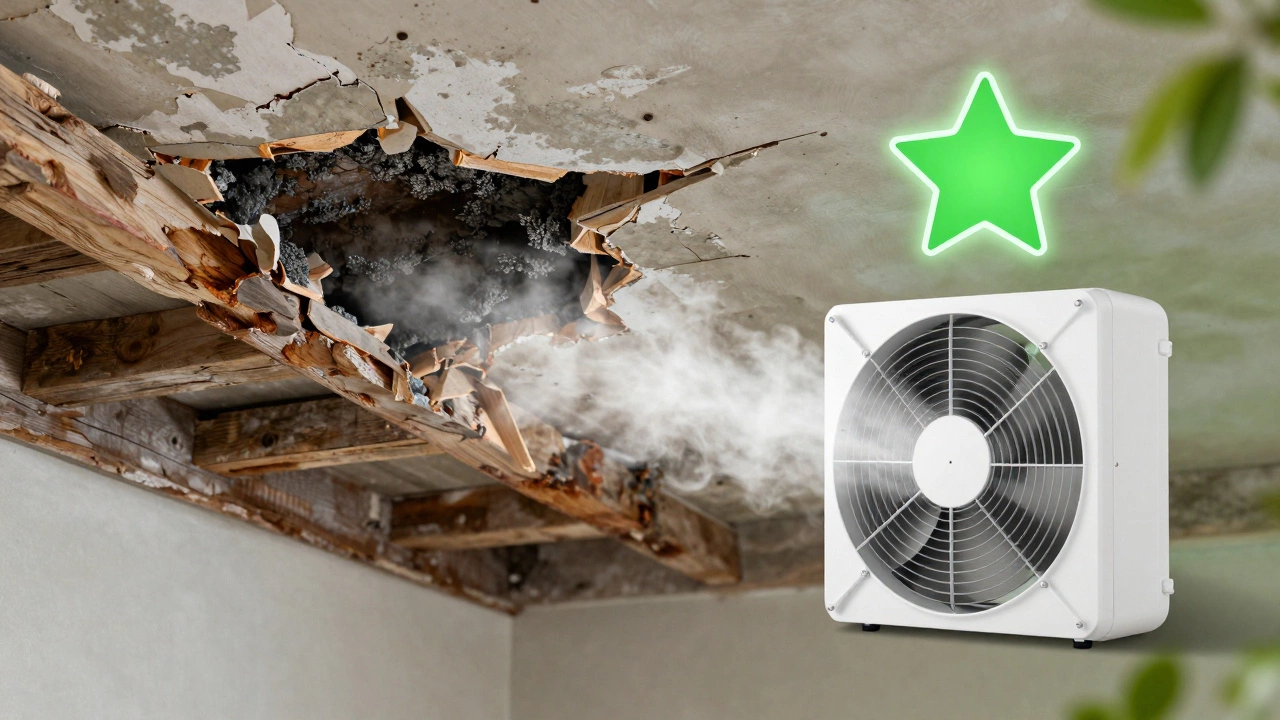
- Wood rot. Constant humidity softens timber frames, skirting boards, and ceiling joists. Repairing rot is far more expensive than replacing a fan.
- Paint peeling. If your bathroom paint keeps bubbling or flaking, it’s not a bad paint job-it’s a ventilation problem.
- Higher energy bills. A clogged or failing fan forces your HVAC system to work harder to manage humidity, which can bump up your heating and cooling costs.
Do You Need to Replace the Whole Fan or Just Parts?
Most people assume you can just swap out the motor or blades. In theory, yes. In practice, no.
Replacement motors and blades are hard to find for older models. Even if you find them, the cost often hits 60-70% of a new fan’s price. Plus, installing a new motor requires rewiring, sealing ducts, and balancing the assembly-tasks most homeowners aren’t equipped for.
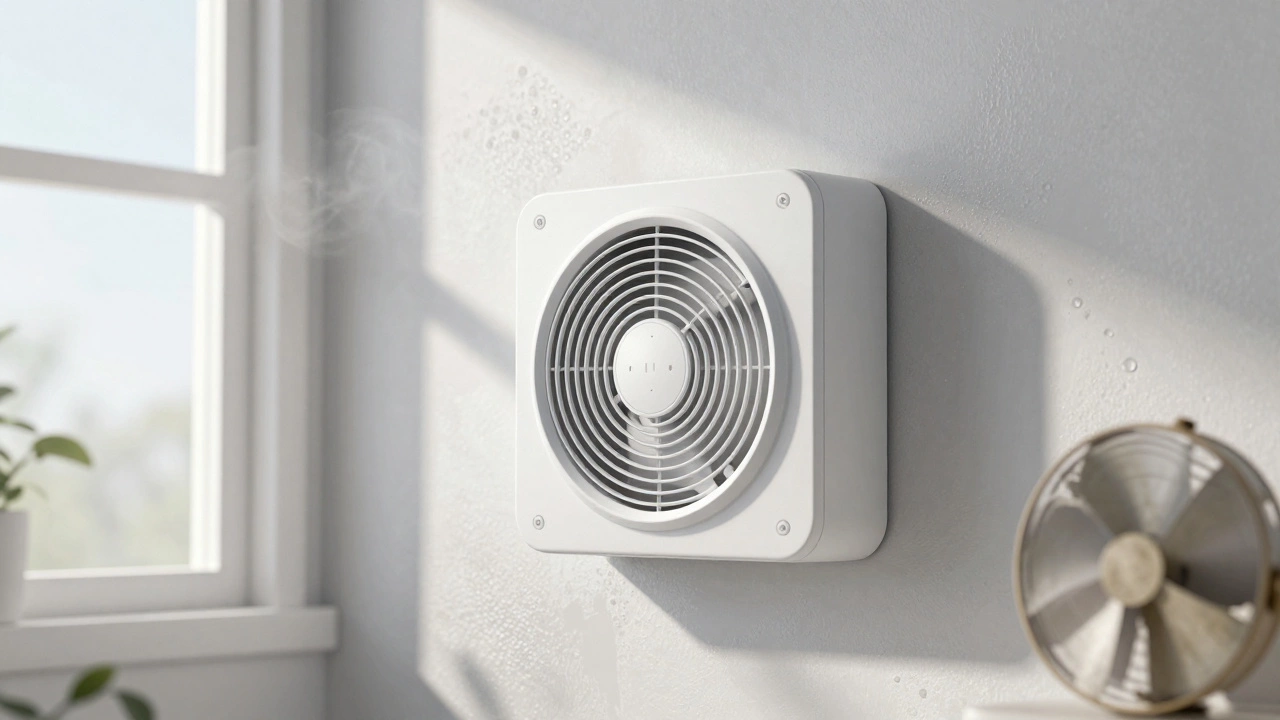
Modern extractor fans are designed as sealed units. They’re cheaper, quieter, and easier to install than ever. A basic 150mm bathroom fan with a humidity sensor and timer now costs around $80-$120. You can install it yourself in under an hour with a screwdriver and a bit of silicone sealant.
How to Pick the Right Replacement Fan
Not all extractor fans are created equal. Here’s what to look for:
- CFM rating. For bathrooms under 10m², aim for at least 80 CFM. For kitchens, you need 150-200 CFM if you cook often. Check the label-this number tells you how much air it moves per minute.
- Noise level. Look for fans rated below 1.0 sone. Anything above 1.5 sone will be annoying in small spaces.
- Humidity sensor. This feature turns the fan on automatically when steam rises. Worth every dollar in bathrooms.
- Timer function. Lets the fan run for 10-30 minutes after you leave the room to clear residual moisture.
- Energy efficiency. Choose models with an Energy Star rating or a Class A energy label. They use less power and last longer.
Brands like Extracto a New Zealand-made extractor fan brand known for durability and low noise in humid climates, Vent-Axia a UK brand widely used in New Zealand homes for reliable performance, and Ductless Airflow a popular choice for apartments without external venting options are common in local hardware stores. Avoid no-name brands sold online-they often have poor seals and short lifespans.
How to Extend Your Fan’s Life
If you want to avoid replacing your fan too soon, do this every 3-6 months:
- Turn off the power at the circuit breaker.
- Remove the cover and wipe down the blades with warm, soapy water.
- Use a vacuum with a brush attachment to clear dust from the motor housing.
- Check the duct for blockages-birds’ nests, leaves, or grease buildup can choke airflow.
- Reinstall the cover and turn the power back on.
That’s it. Five minutes of effort every few months can add 5-7 years to your fan’s life. It’s cheaper than a replacement and stops mold before it starts.
When to Call a Professional
You don’t need an electrician to swap a fan, but you should call one if:
- The wiring looks frayed or melted.
- The duct runs through the roof or wall and you’re not sure how to seal it.
- You’re replacing a fan in a multi-story home with complex venting.
- You’re installing a fan where none existed before.
Improper venting can cause condensation inside walls, which leads to rot and structural damage. A certified electrician or ventilation specialist will make sure the duct exits properly and meets New Zealand building code (NZS 4246).
Final Answer: How Often Should You Replace It?
If you clean it regularly and it’s in a low-use area like a small bathroom, you can expect 12-15 years. If it’s in a busy kitchen or a steamy bathroom with no maintenance, plan for 5-8 years. And if it’s older than 12 years, even if it still works, it’s time to upgrade.
Don’t wait for failure. A new fan costs less than a dinner out. The peace of mind? Priceless.
Can I just clean my extractor fan instead of replacing it?
Yes, cleaning extends its life-especially if you do it every 3-6 months. But if the motor is noisy, the blades are warped, or the fan doesn’t move air well after cleaning, replacement is the only real fix. Cleaning helps, but it won’t fix worn-out parts.
Is it cheaper to repair or replace an extractor fan?
Replacement is almost always cheaper. Motors, capacitors, and blades are expensive to source, and labor costs for repairs often exceed half the price of a new unit. Plus, new fans are more energy-efficient and quieter.
Do extractor fans need to vent outside?
Yes, in kitchens and bathrooms, fans must vent to the outside. Ductless or recirculating fans just filter air and return it-this doesn’t remove moisture or odors effectively. In New Zealand’s humid climate, outside venting is required by building code to prevent mold and structural damage.
Can I install an extractor fan myself?
If you’re replacing an existing fan in the same spot, yes. You’ll need a screwdriver, wire connectors, and silicone sealant. But if you’re adding a new fan where there wasn’t one, or if you need to cut through a wall or roof, hire a professional. Incorrect installation can cause leaks or electrical hazards.
What’s the best extractor fan for Auckland homes?
Look for models with humidity sensors, low noise (under 1.0 sone), and a CFM rating suited to your room size. Brands like Extracto and Vent-Axia are popular here because they’re built to handle high humidity and are widely available in local stores. Avoid cheap imports without proper certifications.
If you’ve been ignoring that rattling fan in your bathroom, now’s the time to act. A new one costs less than a new kettle and saves you from mold, rot, and higher bills. Don’t wait until it fails-replace it before it becomes a problem.