Heat Pump Diagnostic Tool
Select the primary symptom you are experiencing to get immediate guidance on whether it's a DIY fix or requires professional help.
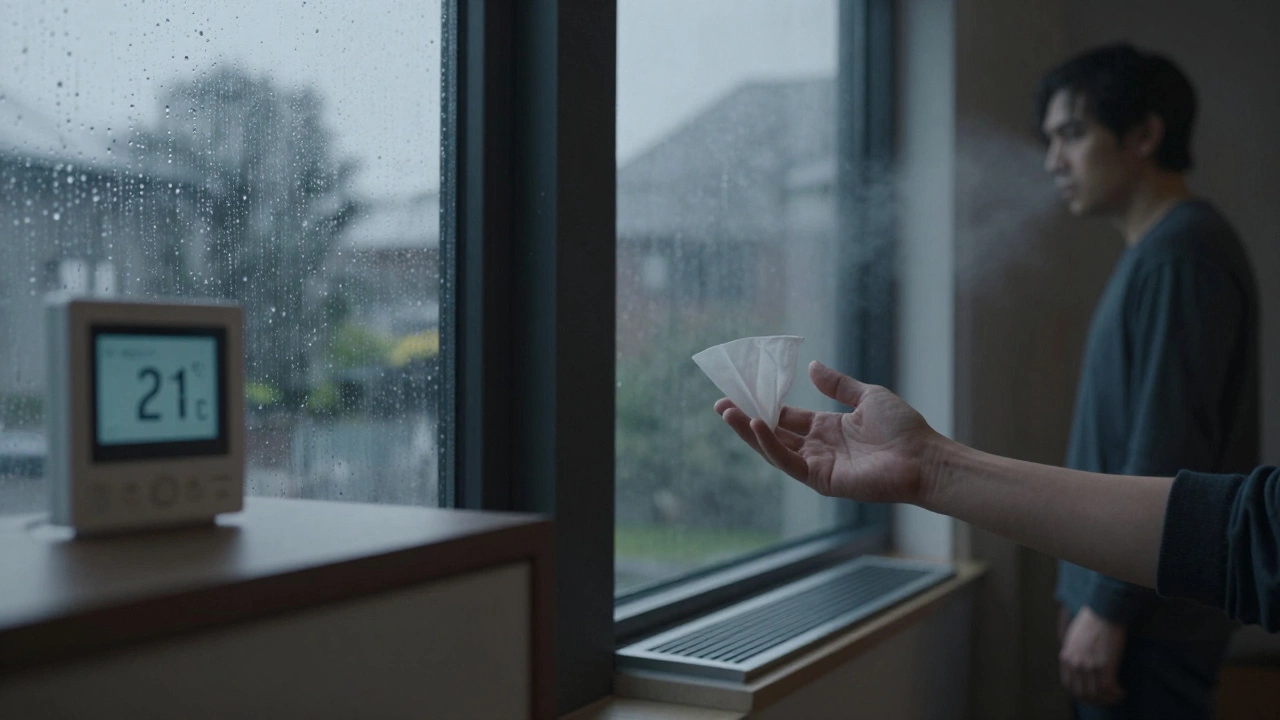
It’s mid-winter in Auckland, the rain is lashing against the windows, and your home feels like a refrigerator. You check the thermostat-it says 21°C-but the air coming out of the vents is barely lukewarm. Is it just a cold snap, or is your heat pump a system that moves thermal energy from one place to another for heating and cooling failing? Knowing the difference between normal operation and a genuine breakdown can save you hundreds of dollars in unnecessary service calls.
Heat pumps are efficient marvels of modern engineering, but they aren’t immune to wear and tear. When they start acting up, the symptoms can be subtle at first. A slight change in sound, a weird smell, or a bill that’s higher than usual might be your only warning signs. Ignoring these red flags doesn’t make them go away; it usually makes the problem worse and more expensive to fix.
The Air Feels Wrong: Temperature and Flow Issues
The most obvious sign that something is wrong is the air itself. If your heat pump isn’t delivering the temperature you set, it’s not doing its job. But "not working" can mean different things depending on what you feel.
If the air blowing from your vents is warm but not hot, don’t panic immediately. Heat pumps operate differently than gas furnaces. They blow air at a lower temperature (usually between 35°C and 45°C) but for longer periods. However, if the air is distinctly cool or room temperature when it should be heating, you have a problem. This often points to a refrigerant leak or a failing compressor. Refrigerant is the blood of the system; without enough of it, the unit can’t absorb or release heat effectively.
Another clue is weak airflow. Stand near a vent and hold your hand up. Do you feel a strong push of air? If the breeze is faint or nonexistent, the issue might be mechanical rather than thermal. A clogged air filter is the culprit in about 50% of these cases. It’s cheap, easy to fix, and often overlooked. If your filters are clean and the airflow is still weak, your blower motor might be struggling, or there could be a blockage in the ductwork.
Listening to the Machine: Unusual Noises
Your heat pump should hum quietly. It has a rhythm-a steady fan noise and the occasional click as relays engage. When that rhythm breaks, listen closely. The type of noise tells you exactly what part is failing.
- Banging or Clanking: This sounds like rocks rattling inside a dryer. It usually means a loose component inside the outdoor unit, such as a bracket holding the coils or a piece of debris caught in the fan blades. In severe cases, it could indicate a broken fan motor shaft.
- Squealing or Screeching: Think of a car tire on wet pavement. This high-pitched sound typically comes from the blower motor bearings wearing out or a slipping belt in older systems. It’s a warning that metal is grinding against metal.
- Hissing or Bubbling: If you hear this near the outdoor unit or along the copper lines, you likely have a refrigerant leak. Hissing indicates gas escaping under pressure. This is an environmental hazard and requires immediate professional attention because adding more refrigerant without fixing the leak is illegal and ineffective.
- Rattling: A low-frequency rattle often suggests loose panels or screws on the exterior casing, which can be tightened with a screwdriver. However, if the rattle comes from inside the compressor housing, it’s time to call a technician.
Visual Cues: Ice, Water, and Smells
While you’re listening, take a look at the unit. Visual inspections can reveal problems that sensors miss. The most common visual alarm is ice buildup on the outdoor coil or the indoor evaporator coil.
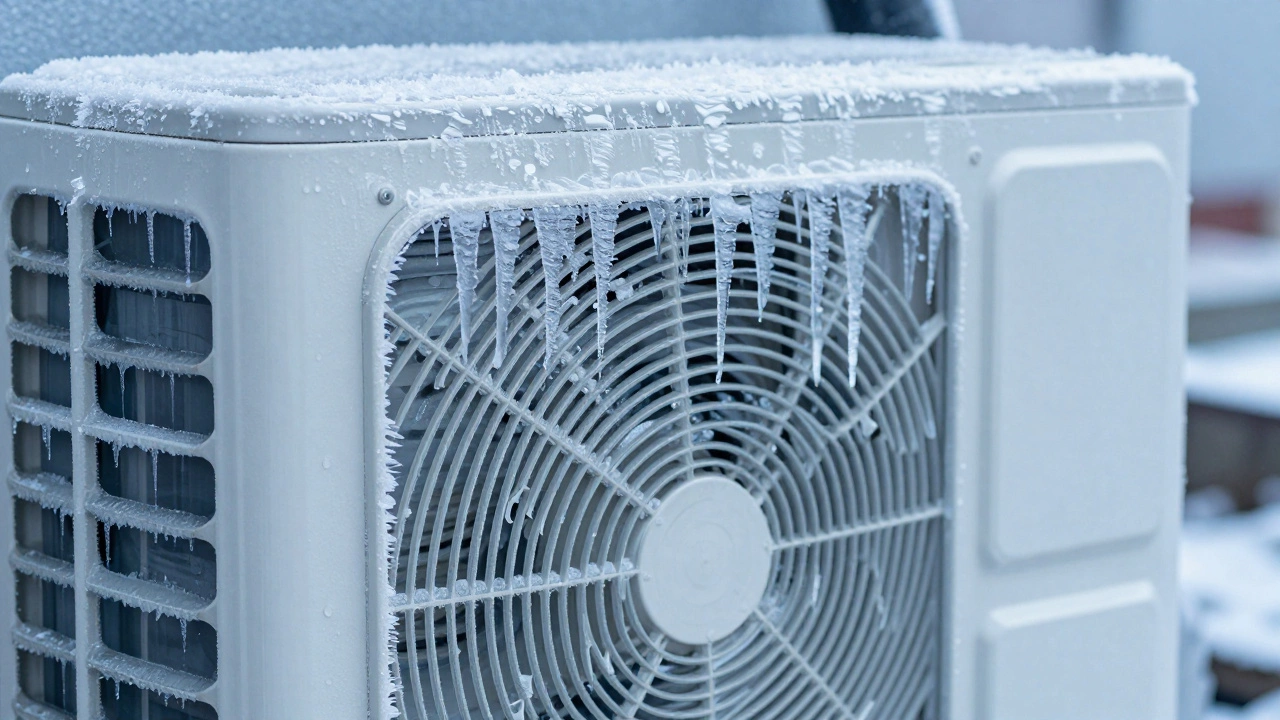
In winter, heat pumps switch roles. The outdoor unit becomes the evaporator, absorbing heat from the cold air. It’s normal for some frost to form on the coils during very cold spells. The system has a built-in defrost cycle that reverses briefly to melt this frost. But if you see thick layers of ice covering the entire unit, especially if it persists after the sun comes out or the defrost cycle runs, your system is stuck. This is often caused by restricted airflow due to dirty filters or blocked fins, or a faulty defrost control board.
Water pooling around the indoor unit is another major red flag. Heat pumps produce condensation as they remove humidity from the air. This water should drain away through a condensate line. If you see water dripping from the ceiling or puddles forming near the air handler, your drain line is clogged. Algae and mold love these dark, damp pipes. A simple pour of vinegar can clear minor clogs, but persistent leaks may require a plumber or HVAC specialist to unclog the trap.
Smell is also a powerful diagnostic tool. A musty, mildew-like odor usually means mold or bacteria growing in the ductwork or on the evaporator coil. A burning smell is far more serious. If you smell burning plastic or insulation, turn off the unit immediately. This indicates an electrical short, an overheating motor, or wires melting due to age. Running the system further risks a fire.
The Bill Shock: Energy Efficiency Drops
Sometimes, the first sign of trouble isn’t physical-it’s financial. Heat pumps are prized for their efficiency, often achieving a Coefficient of Performance (COP) of 3.0 to 4.0. This means for every 1 kilowatt-hour of electricity used, they produce 3 to 4 kilowatt-hours of heat. If your energy bill spikes by 20% or more without a change in usage patterns, your heat pump is likely working harder to achieve less.
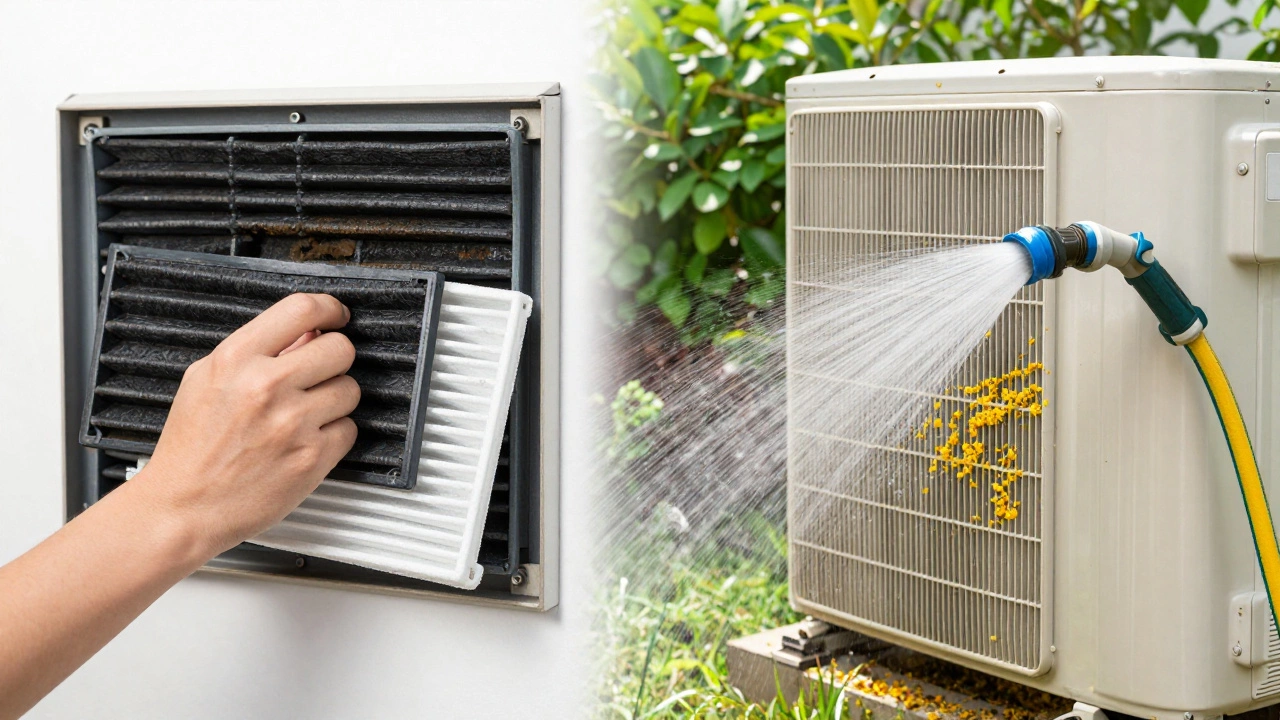
This inefficiency often stems from degraded components. Worn compressor valves, leaking seals, or a dirty outdoor coil all force the system to run longer cycles to reach the target temperature. In Auckland’s humid climate, dirt and pollen accumulate quickly on the outdoor fins. If those fins are clogged, heat exchange becomes inefficient. Cleaning them with a garden hose (gently, to avoid bending the fins) can restore performance and lower bills.
Frequent Cycling: Short-Cycling Problems
Pay attention to how often your heat pump turns on and off. A healthy system runs in long, steady cycles. If it kicks on, runs for five minutes, shuts off, and then restarts ten minutes later, it’s "short-cycling."
Short-cycling puts immense stress on the compressor and increases energy consumption. Common causes include:
- Oversized Unit: If the heat pump is too powerful for your home, it heats the space too quickly, triggering the thermostat to shut off before the air circulates properly.
- Dirty Thermostat: Dust or dead batteries in the thermostat can cause inaccurate readings, making the system think the house is already warm enough.
- Refrigerant Issues: Too much or too little refrigerant can cause pressure switches to trip, forcing the system into safety mode and shutting it down prematurely.
When to Call a Professional vs. DIY Fixes
Not every symptom requires a technician. Here’s a quick decision tree to help you decide:
| Symptom | Likely Cause | Action |
|---|---|---|
| Weak Airflow | Clogged Filter | Replace filter yourself |
| No Power | Tripped Breaker or Switch | Check circuit breaker and outdoor disconnect switch |
| Icy Coils | Dirt/Debris Blockage | Clean fins gently with water; check filters |
| Burning Smell | Electrical Fault | Turn off unit; call professional immediately |
| Hissing Noise | Refrigerant Leak | Call professional (requires certification) |
| Strange Clicking | Compressor Relay Failure | Call professional |
If you’ve checked the filters, cleared the drain line, and verified the power supply, but the problem persists, it’s time to bring in an expert. Attempting to repair refrigerant lines or electrical components without proper training is dangerous and voids warranties. In New Zealand, handling refrigerants requires a license under the Ozone Protection Regulations. Stick to the basics, and let the pros handle the complex internals.
Maintenance Tips to Prevent Future Failures
Prevention is cheaper than cure. To keep your heat pump running smoothly through Auckland’s variable weather, follow these simple steps:
- Change Filters Monthly: During peak heating and cooling seasons, check filters every month. Replace disposable ones or wash reusable ones.
- Keep the Outdoor Unit Clear: Maintain at least 2 feet of clearance around the outdoor condenser. Trim back bushes, remove leaves, and ensure no toys or debris block the airflow.
- Inspect the Drain Line: Once a year, pour a cup of distilled white vinegar down the condensate drain access port to kill algae and prevent clogs.
- Check Thermostat Settings: Ensure your thermostat is level and placed away from direct sunlight or heat sources like lamps.
- Annual Professional Service: Schedule a tune-up once a year. A technician will check refrigerant levels, inspect electrical connections, and lubricate moving parts.
Is it normal for my heat pump to blow cold air in winter?
Yes, but only temporarily. Heat pumps periodically enter a "defrost cycle" to melt ice buildup on the outdoor coil. During this 5-10 minute period, the indoor fan may blow cooler air, and the outdoor unit might look like it's blowing steam. If the cold air continues for more than 15 minutes, there is likely a malfunction.
Why does my heat pump make a clicking sound repeatedly?
Repeated clicking often indicates a failing relay in the contactor box or a bad capacitor. The system tries to start the compressor, fails, resets, and tries again. This creates a rapid clicking noise. This requires a technician to replace the faulty electrical component.
Can I clean the outdoor heat pump myself?
Yes, you can safely clean the outdoor unit. Turn off the power at the breaker first. Use a garden hose to spray down the fins from the inside out to flush out dirt. Avoid using a pressure washer, as it can bend the delicate aluminum fins and damage the coils. Brush away any large debris by hand.
How long does a heat pump last in New Zealand?
With proper maintenance, a quality heat pump in New Zealand’s climate typically lasts 10 to 15 years. Coastal areas with salt air may see shorter lifespans due to corrosion. Regular servicing can extend the life by several years and maintain efficiency ratings.
What should I do if my heat pump won’t turn on at all?
First, check the circuit breaker in your fuse box. If it hasn’t tripped, check the outdoor disconnect switch near the unit to ensure it’s in the "on" position. Next, verify your thermostat has fresh batteries and is set to "heat" with a temperature higher than the current room temp. If none of these work, the issue is likely internal, such as a blown fuse or failed control board.