Heat Pump Warm Air Diagnostic Quiz
Identify Your Heat Pump Issue
Answer these questions to get personalized troubleshooting advice. Most common causes of cold air are thermostat settings, clogged filters, or ice buildup.
1. What mode is your thermostat set to?
2. How often do you replace your air filter?
3. Does your outdoor unit have ice/frost buildup?
4. Are you experiencing any unusual symptoms?
Your Diagnosis
If your heat pump is running but blowing cold air instead of warm, you’re not alone. It’s one of the most common complaints during Auckland’s chilly winters. You turn up the thermostat, wait for the room to heat up, and instead of cozy warmth, you get a draft that feels like your system is on reverse. Before you call a technician, try these simple checks. Many times, the fix is quick, cheap, and something you can do right now.
Check the Thermostat Settings
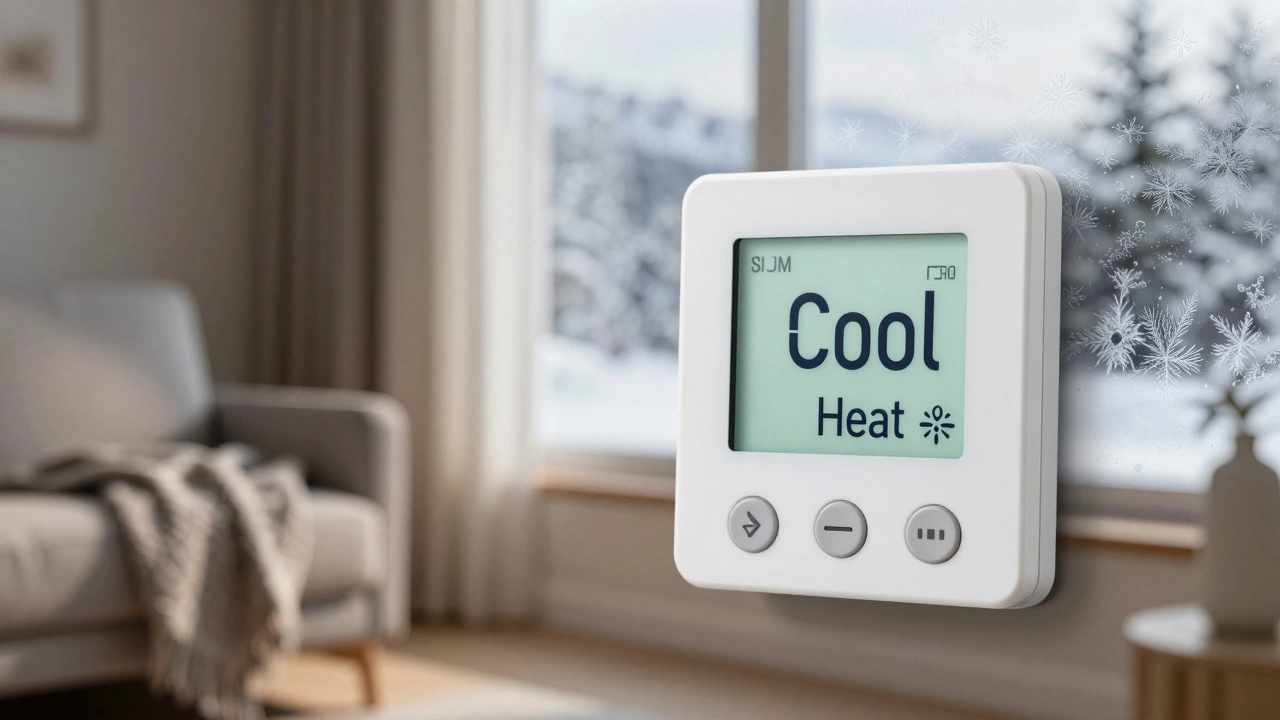
It sounds basic, but a wrong setting is the number one reason heat pumps blow cold air. Make sure your thermostat is set to Heat mode, not Cool or Fan Only. Some units have a separate mode button or require you to press and hold a setting for a few seconds to switch. Also, check the temperature setting. If it’s set to 20°C but the room is already at 22°C, the heat pump won’t turn on because it thinks it’s warm enough. Lower the setting by 2-3°C and wait five minutes. If the unit kicks in and starts blowing warm air, that was your issue.
Another common mistake: the fan setting. If it’s on On instead of Auto, the fan runs continuously-even when the heat pump isn’t actively heating. That means cold air from the room gets blown back out through the vents. Switch it to Auto and see if the air warms up when the unit cycles on.
Inspect the Air Filter
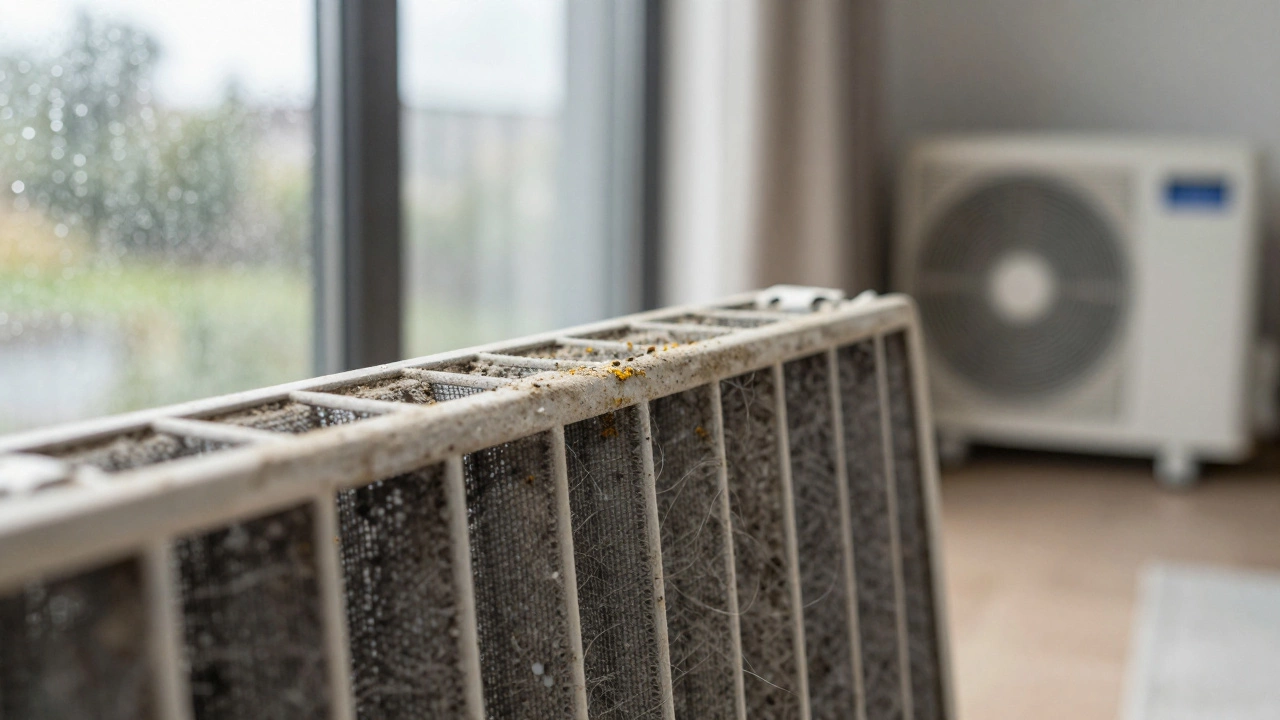
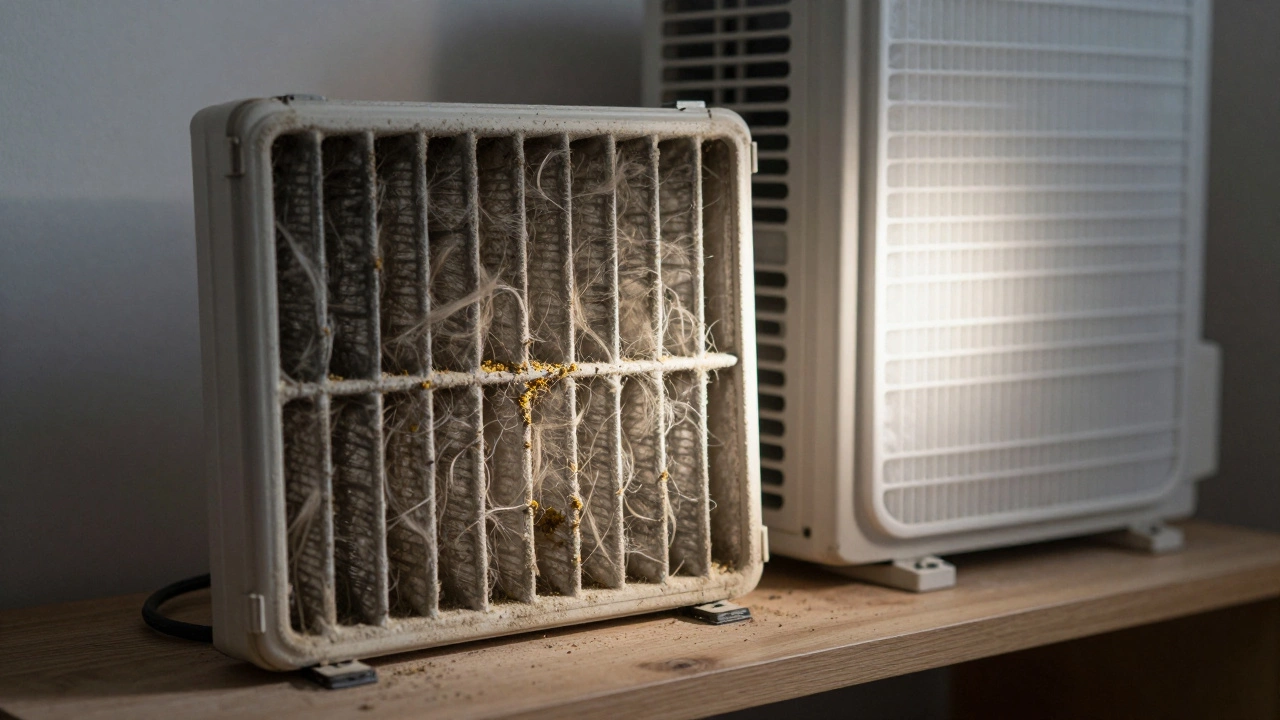
A clogged air filter is the second most common cause. Dust, pet hair, and pollen build up over time and block airflow. When air can’t move freely through the system, the heat exchanger gets too cold and freezes up. The unit keeps running, but instead of warm air, you get weak, chilly air. This happens more often in Auckland homes with pets or during spring pollen season.
Find your filter-it’s usually behind the front grille of the indoor unit. Pull it out. Hold it up to the light. If you can’t see light through it, it’s time to replace it. Most filters need changing every 1-3 months. A clean filter isn’t just about warmth-it saves energy and extends the life of your heat pump. Keep spare filters on hand so you’re never caught off guard.
Look for Ice or Frost on the Outdoor Unit
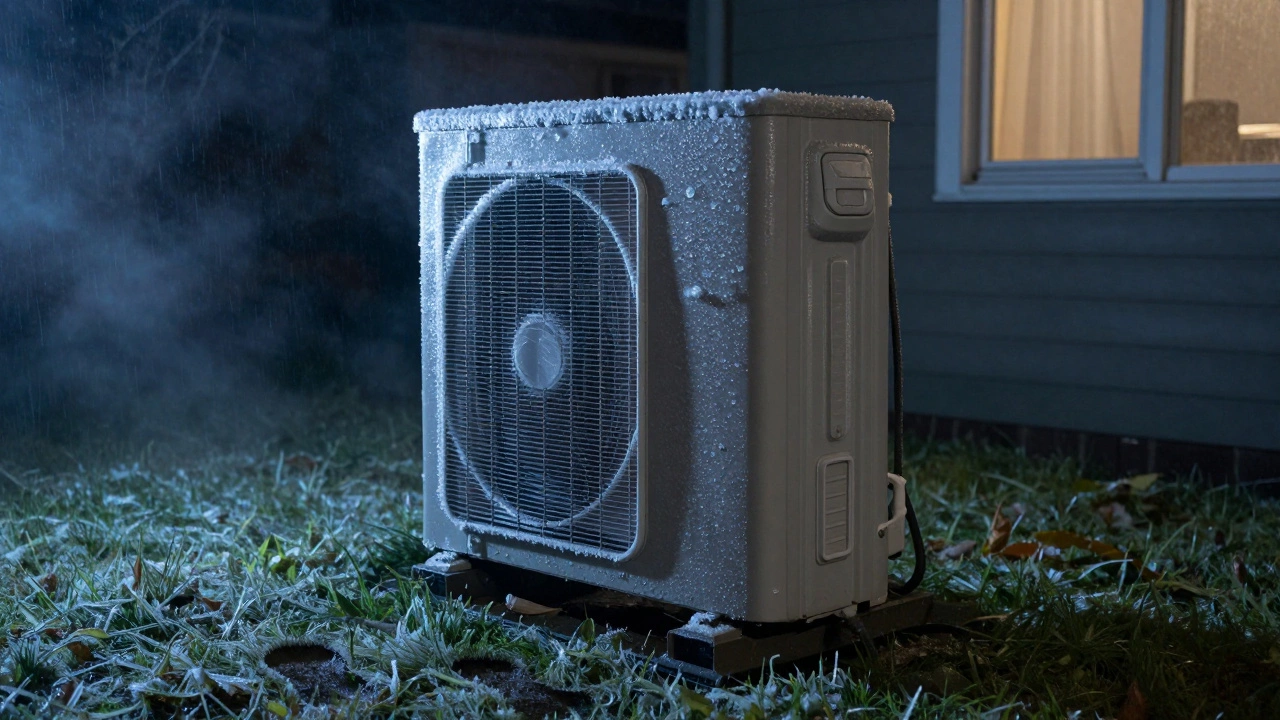
On cold, damp nights, your heat pump’s outdoor unit can frost over. That’s normal. Heat pumps are designed to melt that frost automatically during a defrost cycle. But if the defrost system fails, ice builds up and blocks the coils. The system keeps running, but it can’t pull heat from the air outside. The result? Cold air inside.
Check the outdoor unit. If it’s covered in a thick layer of ice or hard frost (not just light condensation), turn the heat pump off at the thermostat. Let it sit for at least an hour. Then turn it back on. If the ice melts and warm air returns, your defrost cycle was just delayed. If ice comes back within a day, the defrost sensor, timer, or reversing valve may be faulty. That’s when you need a technician.
Check the Refrigerant Level
Heat pumps use refrigerant to move heat from outside to inside. If the system is low on refrigerant-due to a leak, poor installation, or age-it can’t absorb enough heat from the outdoor air. The indoor unit runs, but the air coming out feels cool or barely warm. You won’t see a leak. You won’t hear a hiss. But you’ll notice the system runs longer and longer without warming the room.
Low refrigerant is not something you fix yourself. It requires a licensed technician with the right tools to measure pressure, find leaks, and recharge the system. If you’ve ruled out the thermostat, filter, and ice buildup, and the unit still isn’t heating properly, refrigerant is the likely culprit. Don’t try to top it off with store-bought cans. That can damage the system and is illegal in New Zealand without proper certification.
Verify the Reversing Valve Is Working
The reversing valve is the heart of your heat pump’s ability to switch between heating and cooling. If it gets stuck in cooling mode, your heat pump will run like an air conditioner-even when you ask for heat. You might hear a loud click when the unit turns on, followed by a hiss. That’s the valve trying to shift. If it doesn’t fully move, warm air won’t come out.
This is a mechanical failure. There’s no DIY fix. Signs include: the unit blows cold air even when set to heat, the outdoor unit runs but doesn’t get warm, and the indoor unit doesn’t feel noticeably hotter than the room temperature. If you suspect the reversing valve, call a technician. They’ll use a multimeter to test the valve’s electrical signal and check for mechanical binding.
Consider Age and Maintenance History
Most heat pumps last 10-15 years. If yours is over 12 years old and you’ve never had it serviced, it’s probably due for a full check-up. Dirt in the coils, worn fan motors, failing capacitors, and degraded insulation all reduce efficiency. A unit that used to heat a 200m² home in 20 minutes now takes an hour and still doesn’t get warm enough.
Annual servicing isn’t just about fixing problems-it’s about catching them early. A technician will clean the coils, check electrical connections, test the defrost cycle, and verify refrigerant levels. Many Auckland homeowners skip this because it seems expensive. But skipping it costs more in energy bills and premature replacement. A $150 service now can save you $1,200 in repairs later.
When to Call a Professional
You can handle thermostat settings, filter changes, and light frost. But if you’ve tried all those steps and your heat pump still isn’t blowing warm air, it’s time to call a qualified technician. Don’t wait until the middle of a cold snap. Here’s when to act:
- Ice keeps forming on the outdoor unit after defrosting
- The unit runs constantly but never reaches the set temperature
- You hear unusual noises-grinding, buzzing, or loud clicking
- There’s a strange smell-burning plastic or oily odor
- Electricity bills have spiked without changes in usage
Choose a technician who’s registered with the New Zealand Refrigeration Industry Association (NZRIA). They’re trained on modern heat pump systems and carry the right tools and refrigerant licenses. Avoid anyone who shows up without a uniform, ID, or a clear price quote.
Prevent Future Problems
Keeping your heat pump working efficiently isn’t about waiting for it to break. It’s about small habits:
- Change the air filter every 60-90 days
- Clear leaves, snow, or debris from the outdoor unit every month in winter
- Keep furniture or curtains away from the indoor unit’s airflow
- Set the thermostat to a steady temperature-don’t turn it off at night and crank it up in the morning
- Schedule a professional service once a year, ideally in late summer before winter hits
Heat pumps are reliable machines-but they’re not magic. They need care. A well-maintained unit will give you warm air for over a decade. A neglected one will leave you shivering in December.
Why is my heat pump blowing cold air when set to heat?
The most common reasons are incorrect thermostat settings (like being on Fan Only or Cool mode), a clogged air filter, or ice buildup on the outdoor unit. Less commonly, it could be low refrigerant or a stuck reversing valve. Always check the thermostat and filter first-they fix the problem in over 60% of cases.
Can a dirty filter cause my heat pump to stop heating?
Yes. A dirty filter restricts airflow, causing the evaporator coil to freeze. When the coil is frozen, the heat pump can’t absorb heat from the outside air. Even though the fan runs, the air coming out feels cold. Replacing the filter often restores heating within minutes.
How do I know if my heat pump needs more refrigerant?
Signs include the unit running longer than usual, ice forming on copper lines near the indoor unit, and weak airflow that doesn’t get warm even after hours of operation. Refrigerant doesn’t get used up-it leaks. If your system is low, there’s a leak that needs fixing before adding more. Never add refrigerant yourself.
Should I turn off my heat pump if it’s covered in ice?
Yes. If the outdoor unit is covered in thick ice (not just light frost), turn the unit off at the thermostat. Let it sit for at least an hour to melt naturally. Turning it back on may trigger the defrost cycle. If ice returns quickly, the defrost system is faulty and needs professional repair.
How often should I service my heat pump?
Once a year, ideally before winter starts. A professional service includes cleaning coils, checking refrigerant levels, testing the defrost cycle, and inspecting electrical components. Skipping service leads to higher energy bills and shorter lifespan. Most manufacturers require annual servicing to keep the warranty valid.