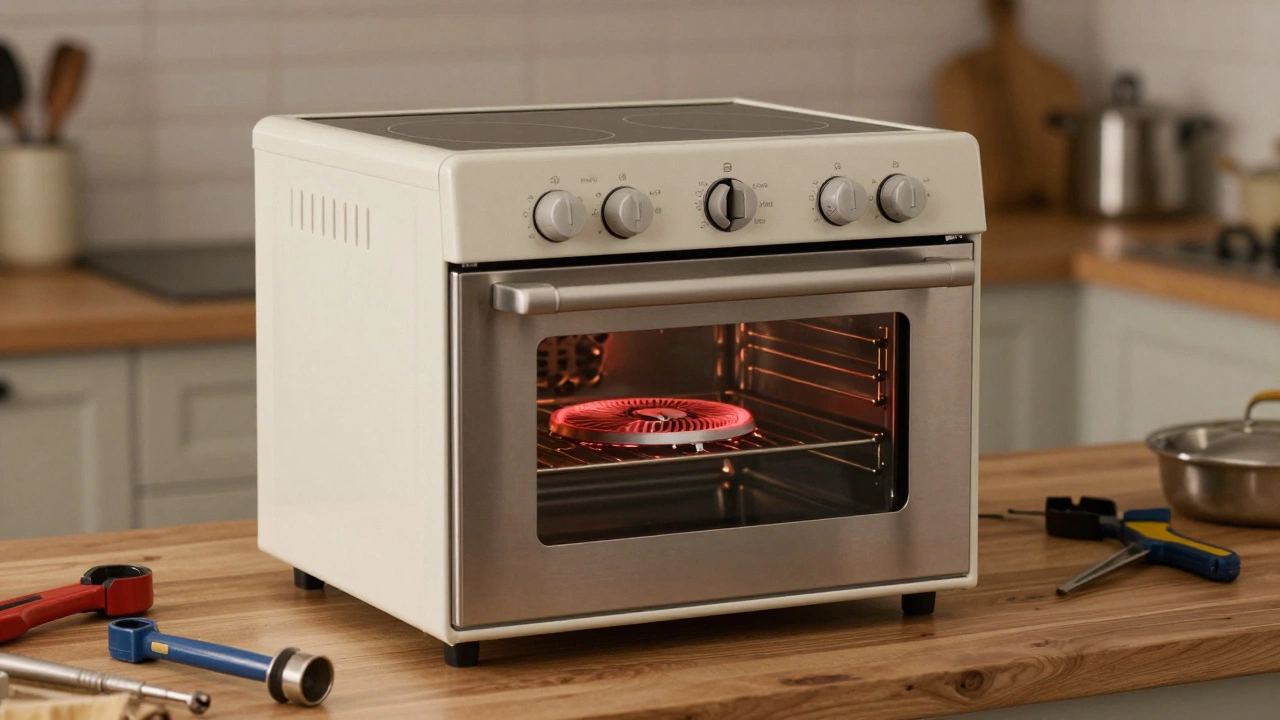
Oven Repair or Replace Calculator
Compare your oven repair quote with the cost of a new model to determine the most cost-effective option.
Results
How much does it actually cost to fix your oven versus buying a new one? If your oven’s acting up-whether it won’t heat, the door won’t close right, or it’s throwing error codes-you’re probably staring at two options: call a technician or head to the appliance store. But which one saves you money? The answer isn’t as simple as it seems.
When Repair Makes Sense
Repairing your oven is often the smarter move if it’s under 10 years old and the issue isn’t structural. A faulty heating element, broken thermostat, or worn-out door seal can cost between $120 and $300 to fix, including parts and labour. In Auckland, most local appliance technicians charge $80-$110 per hour, and most oven repairs take 1-2 hours. That’s $200-$300 total.
For example, a common problem is a broken bake element. It’s a simple part-around $45-and takes about 45 minutes to replace. That’s under $200 total. Same with a malfunctioning temperature sensor. Those usually run $60-$90 for the part, plus labour. These fixes bring your oven back to life without breaking the bank.
Another reason to repair: your oven still works well otherwise. If the fan runs smoothly, the lights turn on, the controls respond, and there’s no rust or warping inside the cavity, you’ve got a good candidate for repair. Many ovens last 15-20 years. If yours is only 6 or 7, you’re halfway through its life.
When Replacement Is the Better Choice
Replace your oven if the repair cost hits more than half the price of a new one. That’s the golden rule. If a new basic model costs $800, and the repair quote is $450 or more, walk away. You’re not fixing the oven-you’re gambling on its next breakdown.
Here’s what usually signals it’s time to replace:
- Control panel is dead or flickering (not just one button)
- Multiple components failing at once (element + fan + thermostat)
- Cracked enamel or rust inside the cavity
- Older than 12 years, especially if it’s a non-inverter model
- It’s a built-in oven with a damaged housing or wiring harness
For built-in ovens, the labour to remove and reinstall can add $150-$250 to the replacement cost. But even with that, a new built-in oven in New Zealand runs $1,000-$1,800. If your repair bill is over $600, you’re better off upgrading.
Also, think about efficiency. Older ovens use 20-30% more electricity than new ones. A 15-year-old oven might cost $180 a year to run. A new Energy Star-rated model cuts that to $120-$140. That’s $40-$60 saved per year. Over five years, that’s $200-$300 in power savings-right off your bill.
What You’ll Pay for a New Oven in 2026
Here’s a quick breakdown of new oven prices in New Zealand right now:
| Type | Price Range (NZD) | Typical Features |
|---|---|---|
| Standalone Electric | $600-$900 | Basic heating, 2 shelves, timer |
| Standalone Gas | $700-$1,000 | Faster preheat, lower running cost |
| Built-in Electric | $1,000-$1,800 | Convection, steam clean, touch controls |
| Built-in Gas | $1,200-$2,200 | Precision cooking, dual fuel options |
| Smart Oven (Wi-Fi) | $1,500-$2,800 | App control, auto recipes, voice assist |
Most households in New Zealand stick with standalone electric ovens. They’re affordable, easy to install, and work fine for everyday baking and roasting. Built-in models are common in renovated kitchens, but they cost more to install and repair.
Hidden Costs of Repair
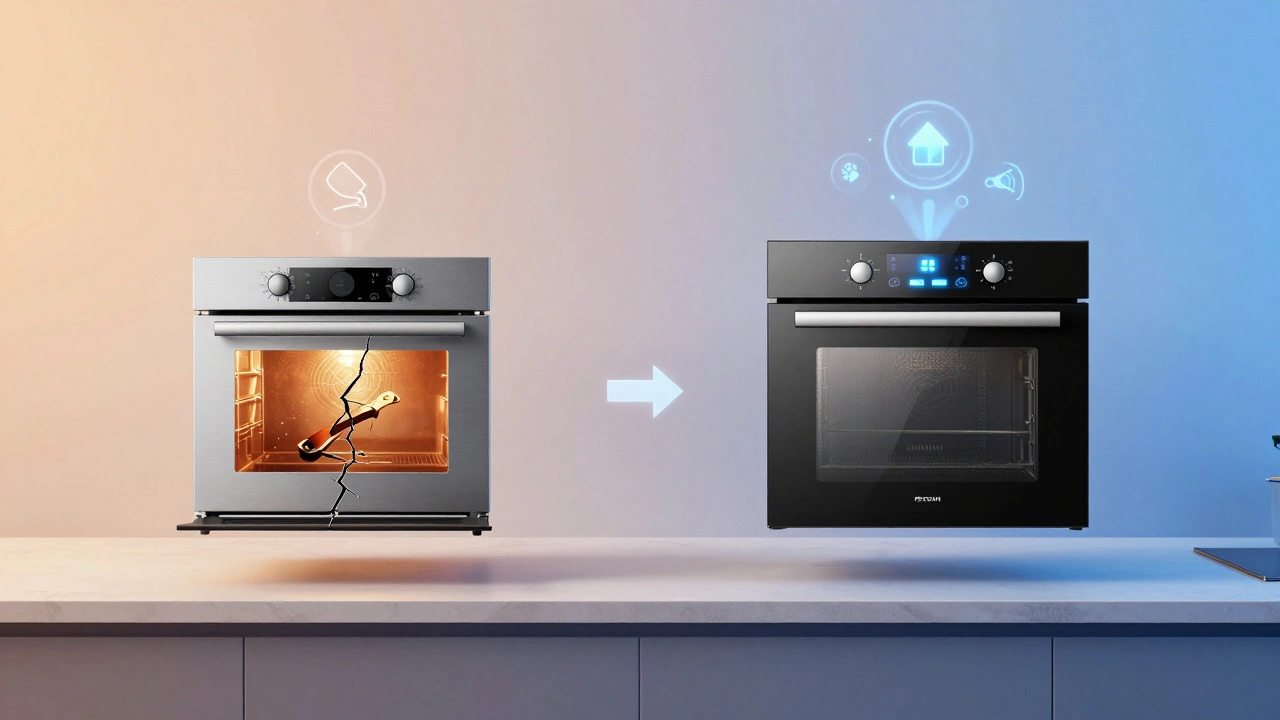
Repair isn’t always just the part and the labour. There are hidden expenses:
- Call-out fee: Most technicians charge $50-$80 just to show up, even if you cancel the repair.
- Parts delays: If your oven is an older or imported brand (like some European models), parts can take 2-3 weeks to arrive. You’re without an oven during that time.
- Labour minimums: Some companies charge a 1-hour minimum, even if the fix takes 20 minutes.
- Warranty limits: Repairs usually come with a 3-6 month warranty on parts. New ovens come with 1-2 years.
And here’s the kicker: if the repair fails again within six months, you’re back to square one-with another call-out fee.
Hidden Benefits of Replacement
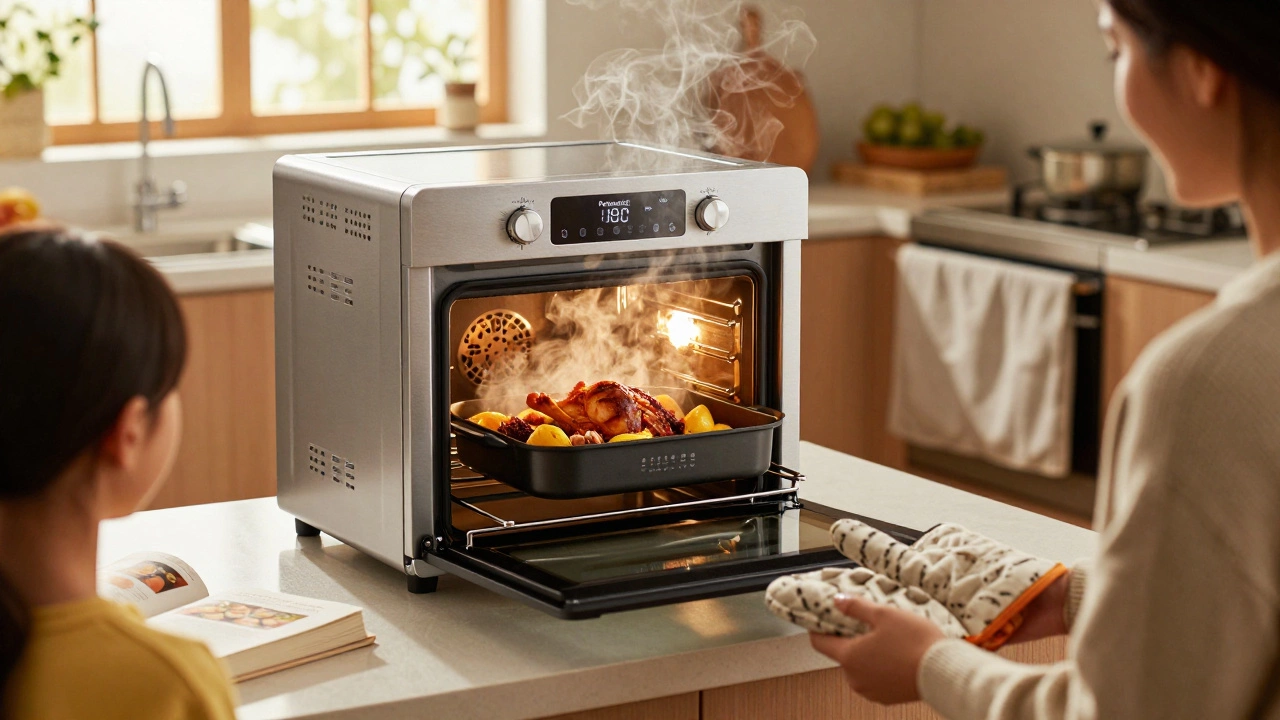
Buying new isn’t just about fixing a broken oven. It’s about upgrading your kitchen experience:
- Energy savings: New ovens use 20-30% less electricity. Over five years, that’s $200-$300 saved.
- Reliability: No more guessing if the oven will turn on before your Sunday roast.
- Features: Modern ovens have convection fans, steam cleaning, delay timers, and even pre-programmed recipes.
- Resale value: A new kitchen appliance boosts your home’s appeal if you’re selling.
- Peace of mind: A 2-year warranty means you’re covered if something goes wrong.
For families who cook daily, a new oven pays for itself in time, convenience, and reduced stress-not just in electricity bills.
How to Decide: The 5-Minute Checklist
Here’s a simple way to make the call:
- Check the age: If it’s over 12 years old, replacement is likely better.
- Get a repair quote: If it’s over half the price of a new oven, walk away.
- Count the problems: One issue? Repair. Three or more? Replace.
- Look for damage: Rust, cracks, or warped metal? Replace.
- Think long-term: Will you still be using this oven in 5 years? If not, replace.
For example: Your 8-year-old oven’s heating element broke. Quote is $240. A new basic oven is $750. Repair wins. But if your 14-year-old oven has a broken element, a flickering display, and the door doesn’t seal? That’s $350 repair quote. Replace. You’re not saving money-you’re delaying the inevitable.
What to Do Next
If you’re leaning toward repair, get quotes from two local technicians. Ask for a breakdown: part cost, labour, call-out fee, warranty. Don’t just accept the first number.
If you’re thinking replacement, visit a store with your measurements. Check if your space is standard (595mm wide for standalone, 600mm for built-in). Look for sales in January-many retailers offer post-holiday discounts.
And if you’re unsure, call a technician for a diagnostic. Many offer free or low-cost assessments. They’ll tell you if the oven’s worth saving. That’s worth $50 to avoid wasting $500 on a doomed repair.
There’s no universal answer. But if you follow the 50% rule, check the age, and weigh the hidden costs, you’ll make the right call-for your wallet and your kitchen.
Is it worth repairing a 15-year-old oven?
Generally, no. Ovens older than 12 years are nearing the end of their lifespan. Even if a single part fixes it, other components are likely to fail soon after. Repairing a 15-year-old oven often costs 60-80% of a new model’s price, making replacement the more cost-effective and reliable option.
How much does it cost to replace an oven in New Zealand?
A standalone electric oven costs $600-$900, while a built-in model runs $1,000-$2,200. Installation for built-in ovens adds $150-$250. Smart ovens with Wi-Fi and automation can cost up to $2,800. Prices vary by brand and features, but these are typical ranges in 2026.
Can I install a new oven myself?
For standalone electric ovens, yes-if you’re comfortable plugging into a dedicated 240V circuit and ensuring the power is off. For gas ovens or built-in models, you need a licensed gas fitter or electrician. DIY installation on gas or hardwired units is dangerous and may void your warranty or insurance.
Do new ovens save money on electricity?
Yes. Modern ovens are 20-30% more energy-efficient than models from 10+ years ago. A typical old oven uses 1.2 kWh per hour of use. A new one uses 0.8-1.0 kWh. If you bake 3 hours a week, that’s 156 hours a year-saving 30-78 kWh annually. At 30c/kWh, that’s $9-$23 saved per year, or $45-$115 over five years.
What’s the most common oven repair?
The most common repair is replacing the bake element-the bottom heating coil. It’s inexpensive ($40-$60), easy to install, and fails often due to wear or moisture. Other frequent repairs include thermostat replacement, door seal replacement, and control board issues.