Kitchen Exhaust Fan Repair and Replacement Guide
When your kitchen exhaust fan, a venting system designed to pull smoke, steam, and cooking odors out of your kitchen. Also known as extractor fan, it keeps your air clean and prevents grease buildup that can lead to mold or fire hazards. If it’s not working, you’re not just dealing with bad smells—you’re risking long-term damage to your walls, cabinets, and even your health.
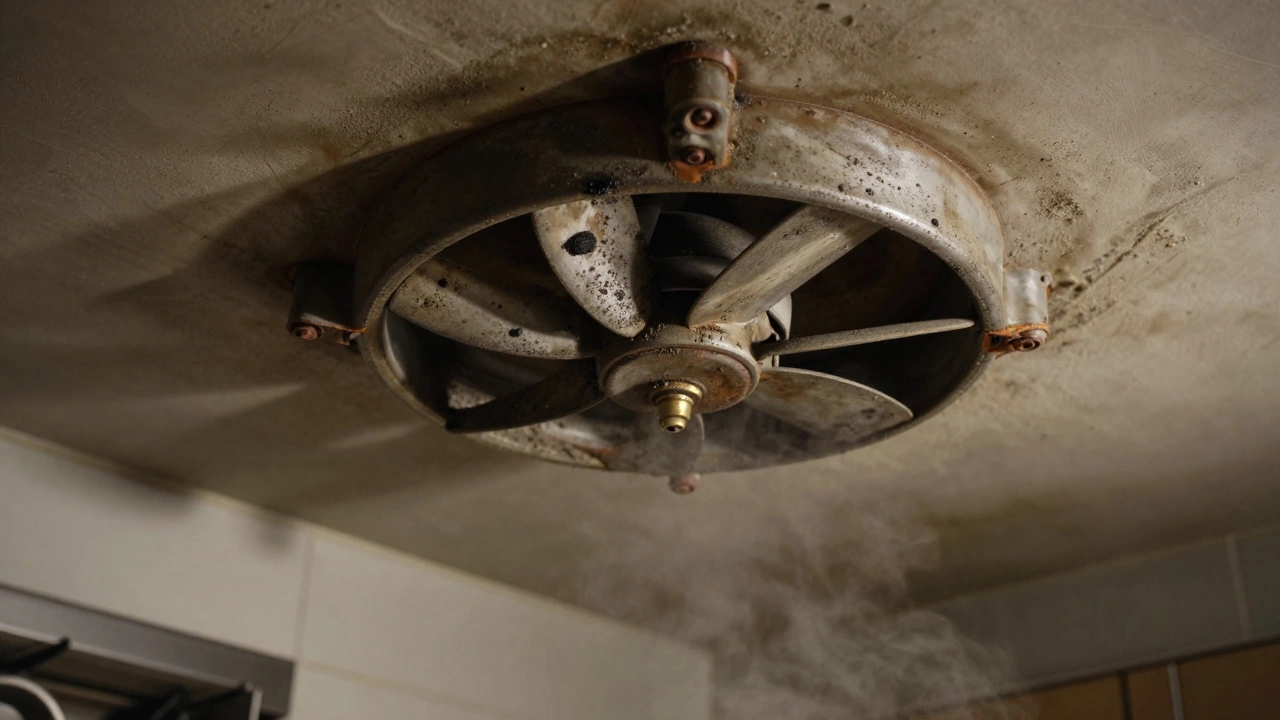
Most kitchen exhaust fans fail for simple reasons: a clogged grease filter, a worn-out fan motor, the part that spins the blades and moves air through the duct, or a broken capacitor, a small electrical component that helps the motor start and run smoothly. You might hear a loud hum, notice the fan won’t turn on, or see grease dripping down the sides. These aren’t signs you need a whole new kitchen—they’re signs you need a quick fix.
Many people assume they need an electrician, but most exhaust fan issues don’t require rewiring. A trained appliance technician can replace the motor, clean the duct, or swap out the capacitor in under an hour. If the fan is over 10 years old, or if the housing is cracked or rusted, replacement makes more sense than repair. But don’t jump to replacement just yet—most units can be restored for under £100.
What you fix yourself depends on your comfort level. Cleaning the grease filter? Easy. Replacing the motor or wiring a new capacitor? That’s where things get risky. One wrong move and you could fry the circuit or create a fire hazard. That’s why local experts in Warwickshire see the same problems over and over: homeowners trying to save money, then calling for help after making things worse.
The best time to act is when the fan starts making noise—not when it stops working entirely. A faint buzz or rattling is your warning. Grease buildup is the #1 killer of these fans. If you haven’t cleaned the filter in six months, you’re already behind. And if you’ve got a duct that runs through the attic or roof, don’t assume it’s clear—birds, leaves, and even nests can block airflow without you ever noticing.
There’s no magic brand that lasts forever. Some fans fail in three years; others run for 15. What matters is maintenance, not the label. If your fan is attached to a range hood, the whole unit might need replacing if the housing is warped or the lights are dead. But if it’s a simple wall-mounted unit, chances are only the motor or capacitor needs swapping.
When you’re ready to get it fixed, know who to call. A general electrician might not know the difference between a 120V fan motor and a 240V one. An appliance repair tech who’s worked on hundreds of these units will spot the issue in seconds. And they’ll know if the duct needs cleaning, the vent cap is stuck, or if your fan was never properly installed in the first place.
Below, you’ll find real fixes from people who’ve been there—how to test a motor, what a bad capacitor looks like, why some fans won’t turn off even when the switch is off, and when it’s smarter to replace the whole unit. No fluff. No theory. Just what works.
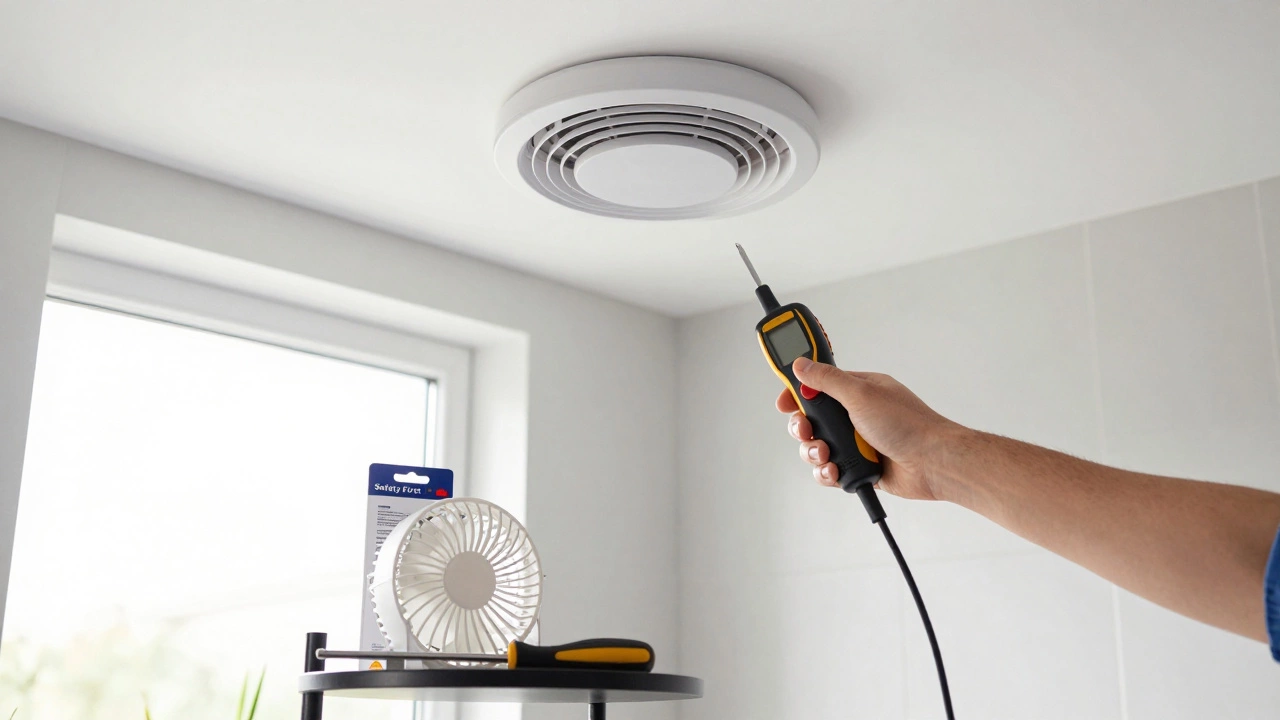
Learn how to replace an extractor fan yourself with this detailed DIY guide. Covers safety, tool requirements, and step-by-step installation for bathrooms and kitchens.
Extractor fans remove moist, smelly air from kitchens and bathrooms to prevent mold and odors. Ventilation fans just circulate air inside. Knowing the difference helps you choose the right one for your home.
Extractor fans typically last 10-15 years with regular cleaning, but in high-humidity areas like Auckland, they may need replacing sooner. Watch for noise, poor airflow, or mold as signs it’s time for a new one.