Water Heater Repair – Expert Tips & DIY Guides
When working with Water Heater Repair, the process of diagnosing and fixing problems that stop your hot water from flowing. Also known as hot water system maintenance, it keeps showers warm, dishes clean and laundry efficient. A typical repair job often revolves around the heating element, the electric coil or gas burner that actually raises the water temperature inside the tank. Another frequent offender is the thermostat, the control that tells the heater when to turn on or off based on set temperature. Both components are tightly linked: a faulty element can cause the thermostat to over‑react, while a mis‑set thermostat may waste energy and wear out the element faster.
Key Areas to Watch During a Repair
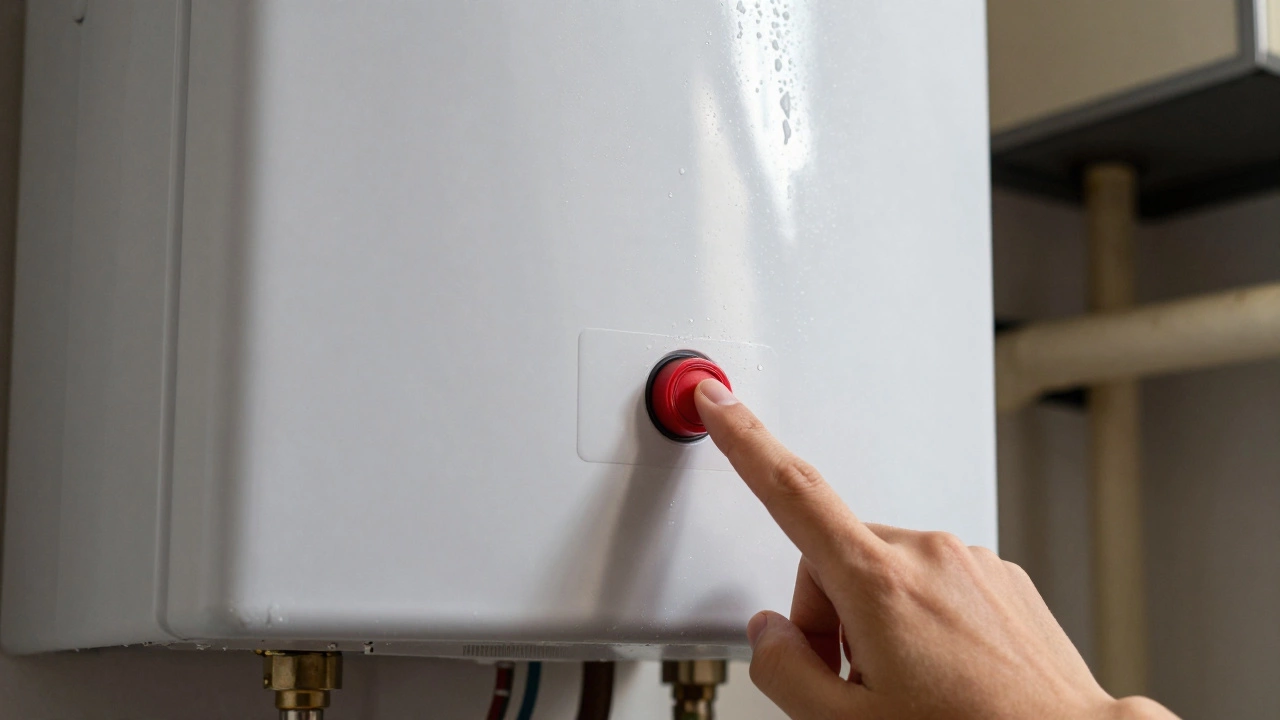
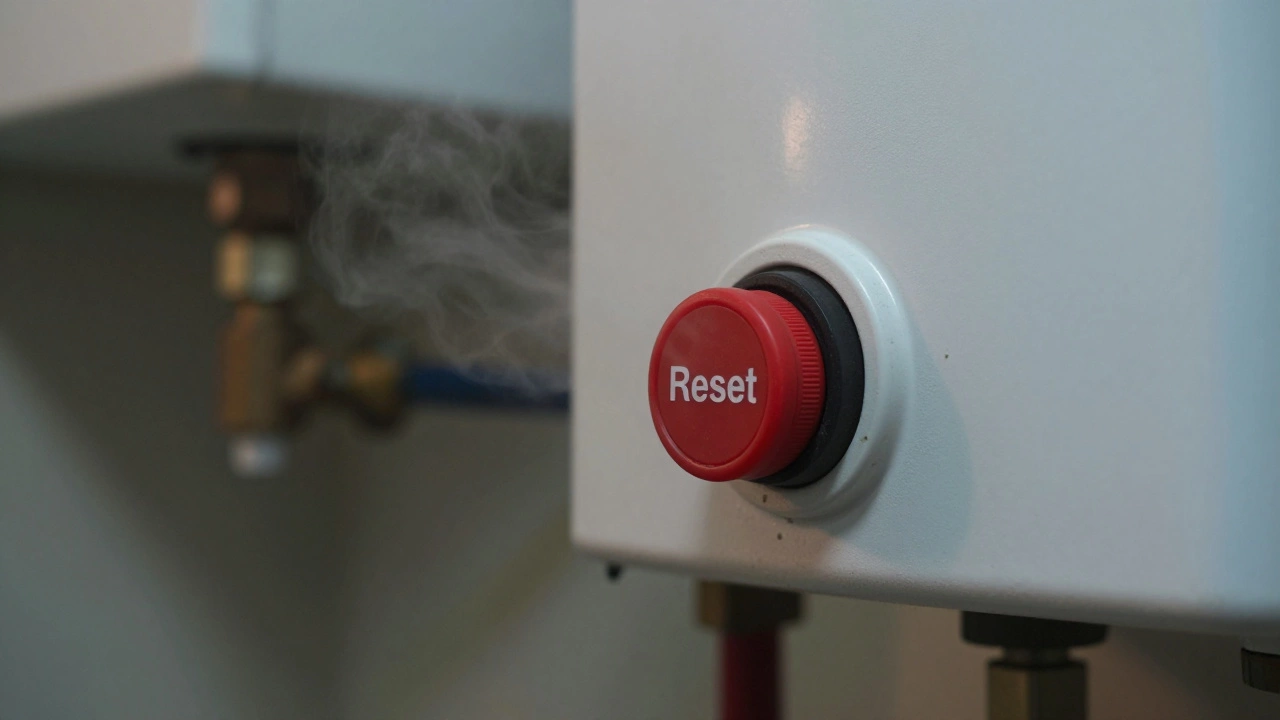
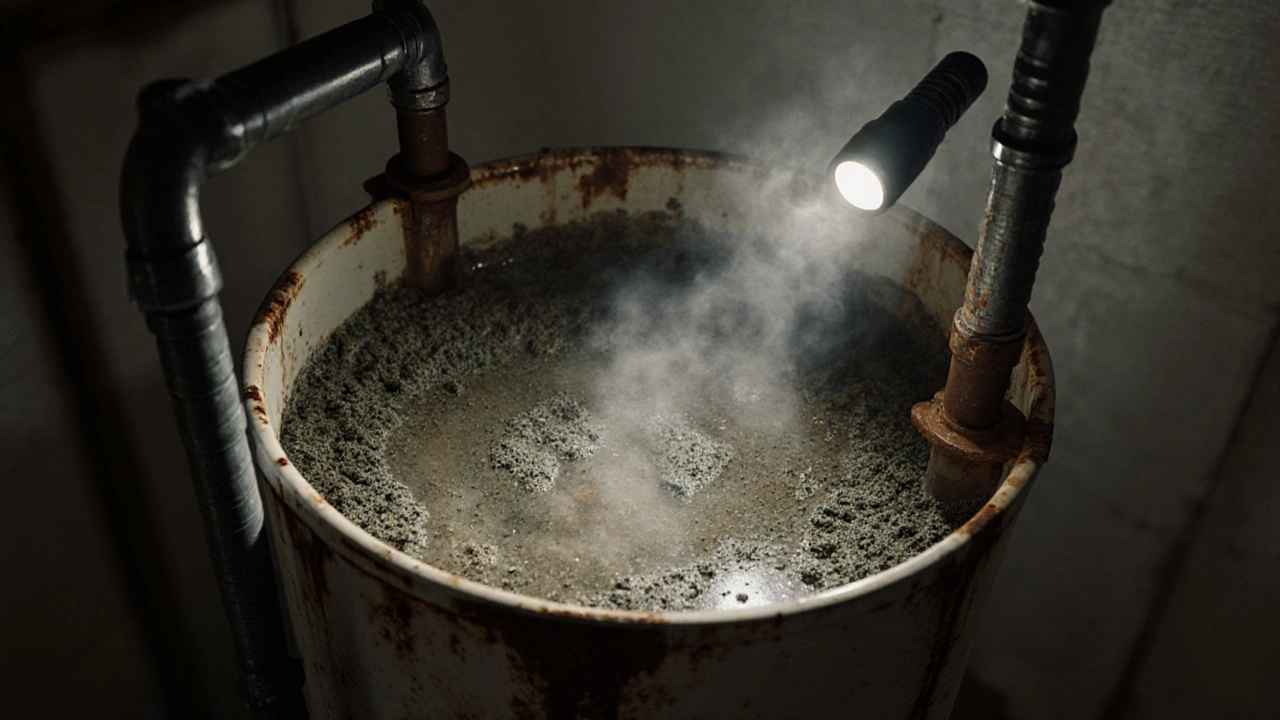
The first step in any Water Heater Repair effort is to identify the symptom and match it to a likely cause. If hot water disappears suddenly, check the reset button, the safety switch that trips when the unit overheats or detects a fault. Repeated trips often signal deeper issues like sediment buildup, which is a layer of mineral deposits that blankets the tank walls and insulates the heating element. Sediment not only reduces efficiency but also forces the thermostat to work harder, increasing the chance of a reset event. In many homes, flushing the tank every 12‑18 months clears this buildup, extending the heater’s life. When the reset button clicks and the water stays cold, the likely chain is: sediment → element overheating → thermostat mis‑reading → safety shut‑off.
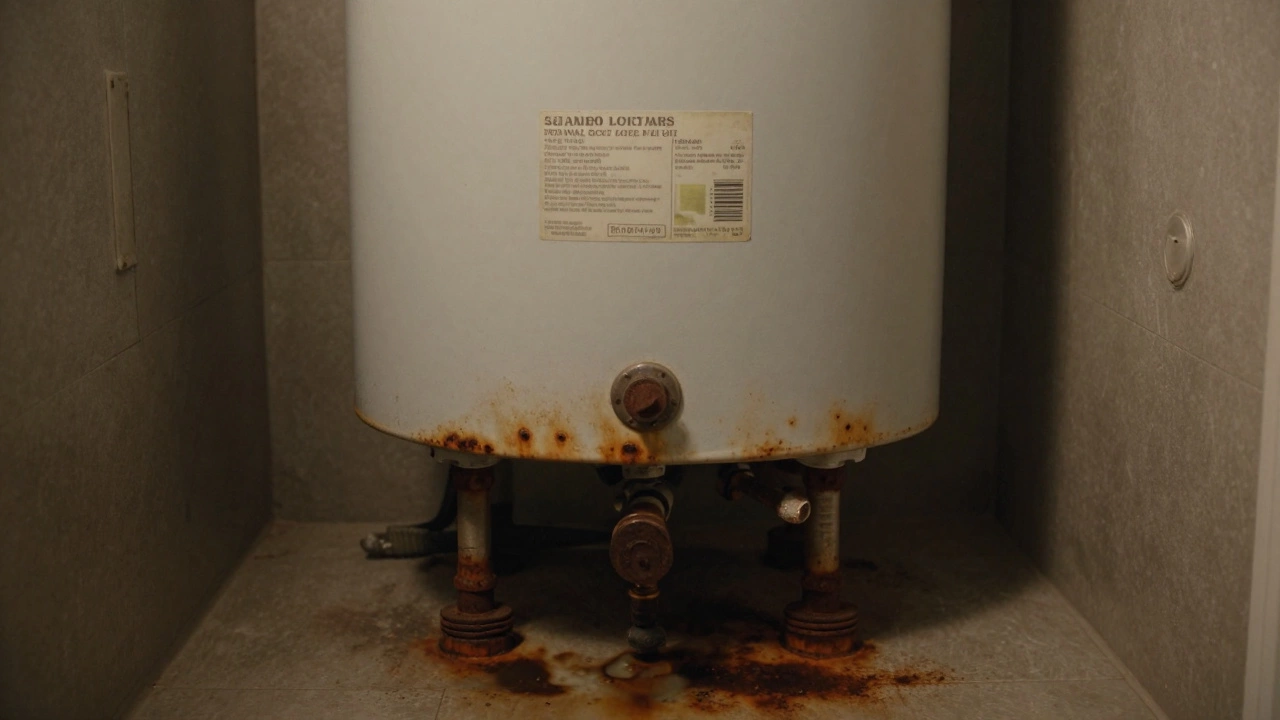
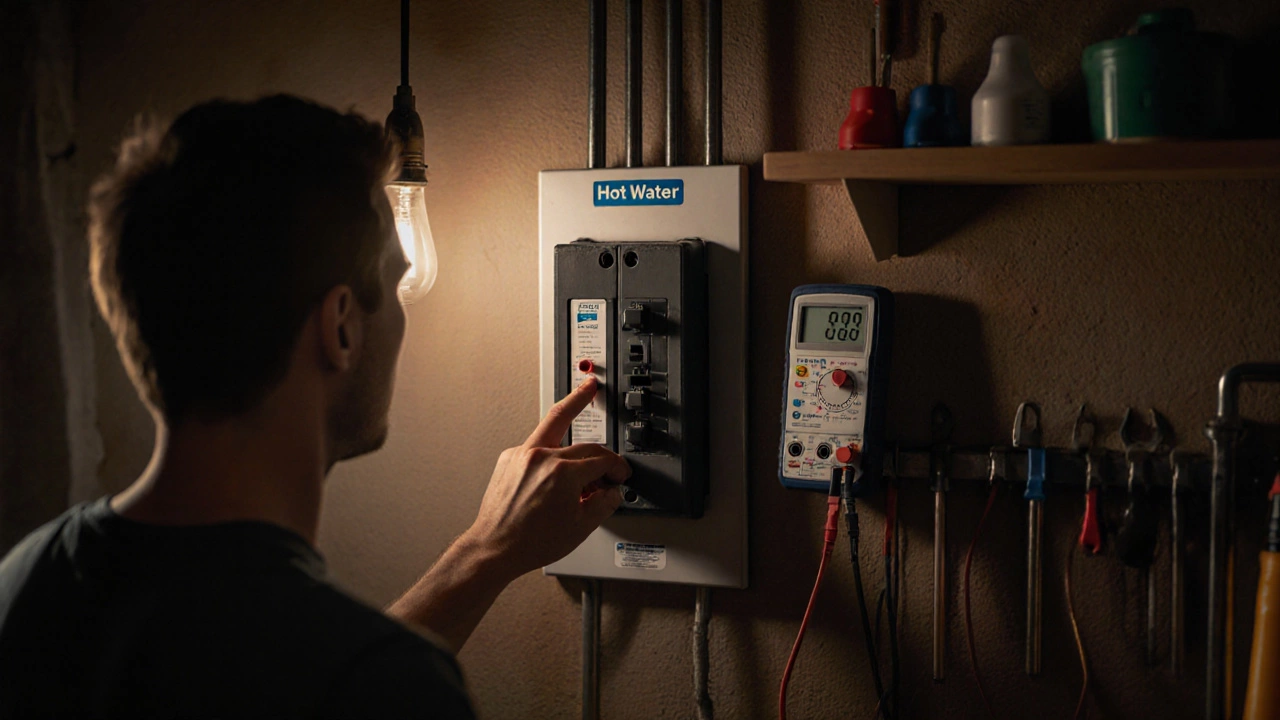
Beyond symptom hunting, good repair practice includes preventive maintenance. Regularly inspect the anode rod, keep the pressure‑relief valve clear, and test the element’s resistance with a multimeter. These checks let you spot a failing part before it causes a full‑scale outage. Knowing the average lifespan—about 8‑12 years for most models—helps you decide whether a repair is worth the cost or if replacement makes more sense. If you’re dealing with a 20‑year‑old unit, the odds are high that corrosion, worn seals, and outdated efficiency standards are at play. In such cases, a fresh installation not only restores reliable hot water but also cuts energy bills. The articles below dive deeper into each of these topics, offering step‑by‑step DIY instructions, safety tips, and indicators for when to call a pro. Ready to tackle that cold shower or plan a long‑term upgrade? Keep reading for practical solutions tailored to every water‑heater scenario.
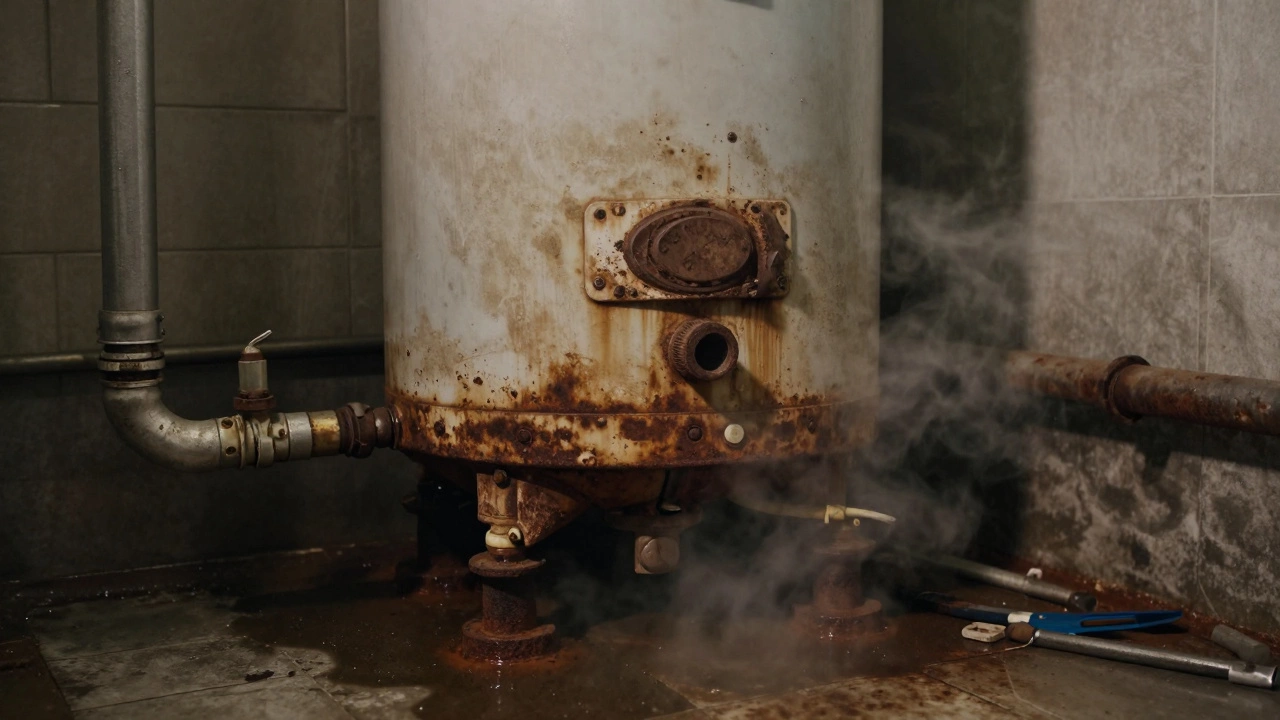
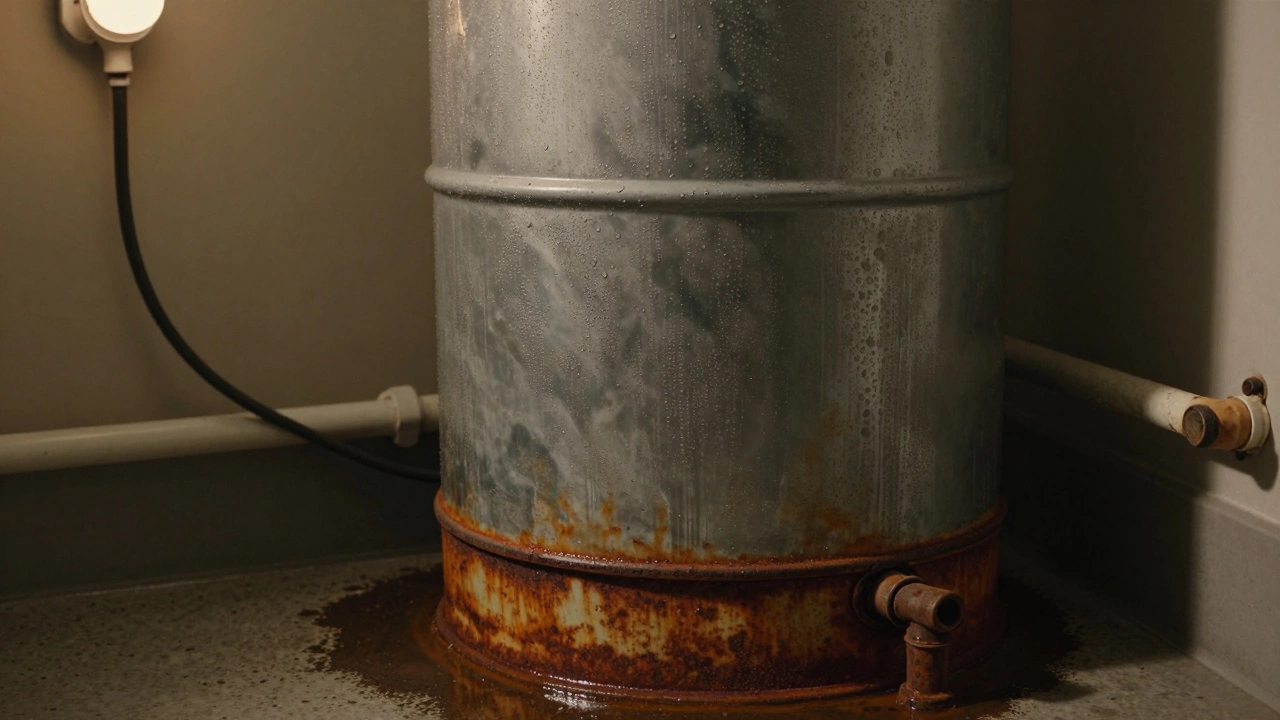
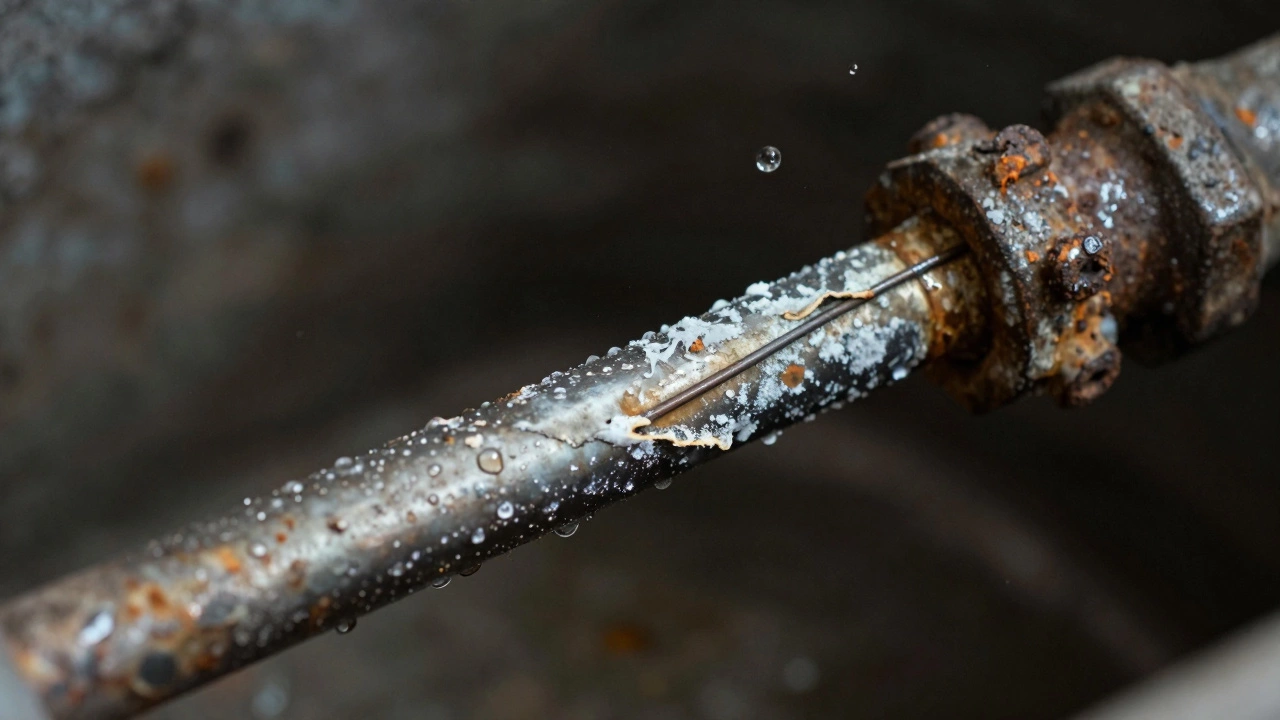
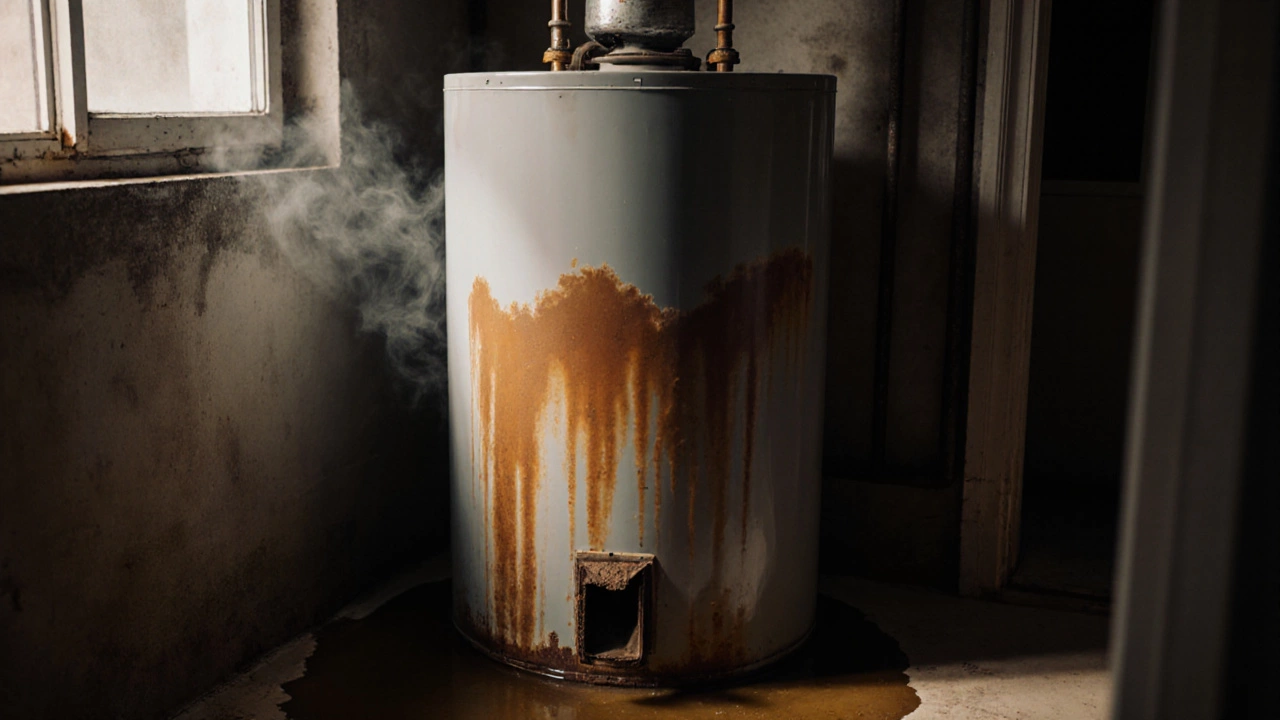
Learn the key signs your hot water heater is failing-rust, strange noises, low hot water, and leaks-and when it’s time to replace it before it causes damage. Save money and avoid emergencies with timely replacement.
Pressing the reset button on your water heater takes less than a second - no holding required. Learn why it trips, how to fix the real problem, and how to prevent it from happening again.
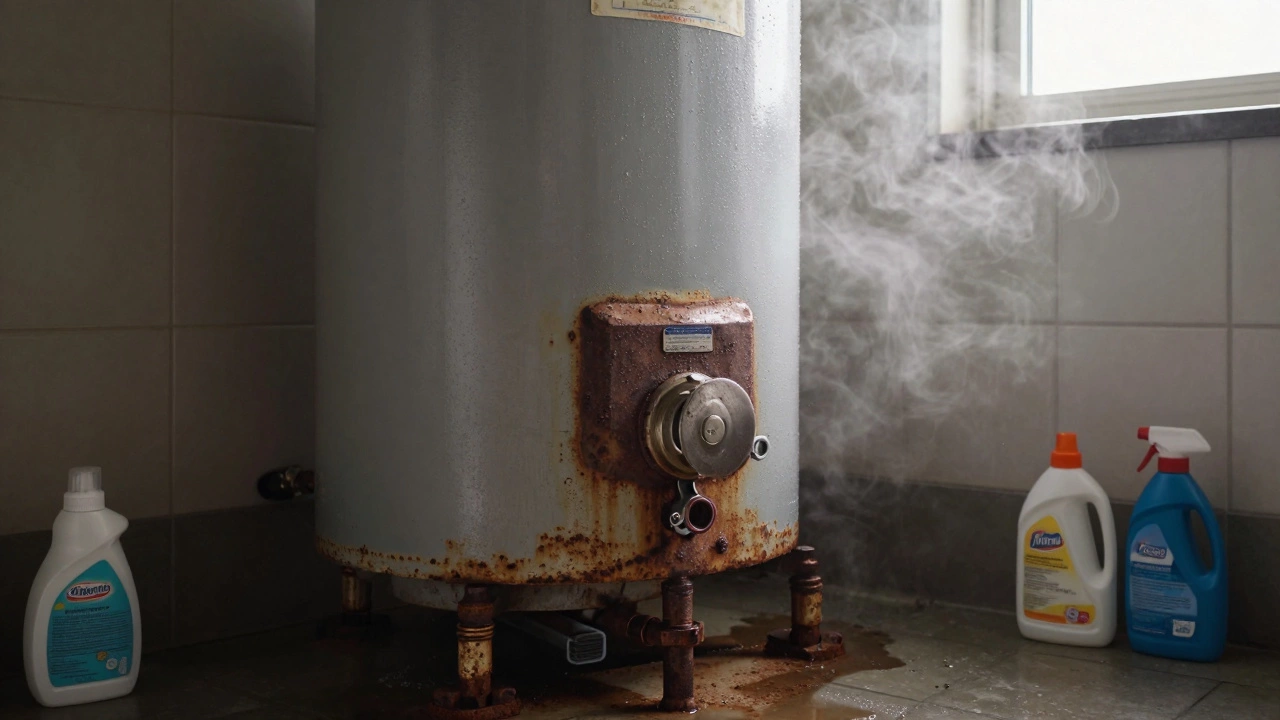
A 20-year-old water heater is past its prime. While repairs seem cheaper, they often lead to bigger costs. In New Zealand, replacing it with a modern, energy-efficient model saves money, prevents damage, and gives you reliable hot water for years to come.
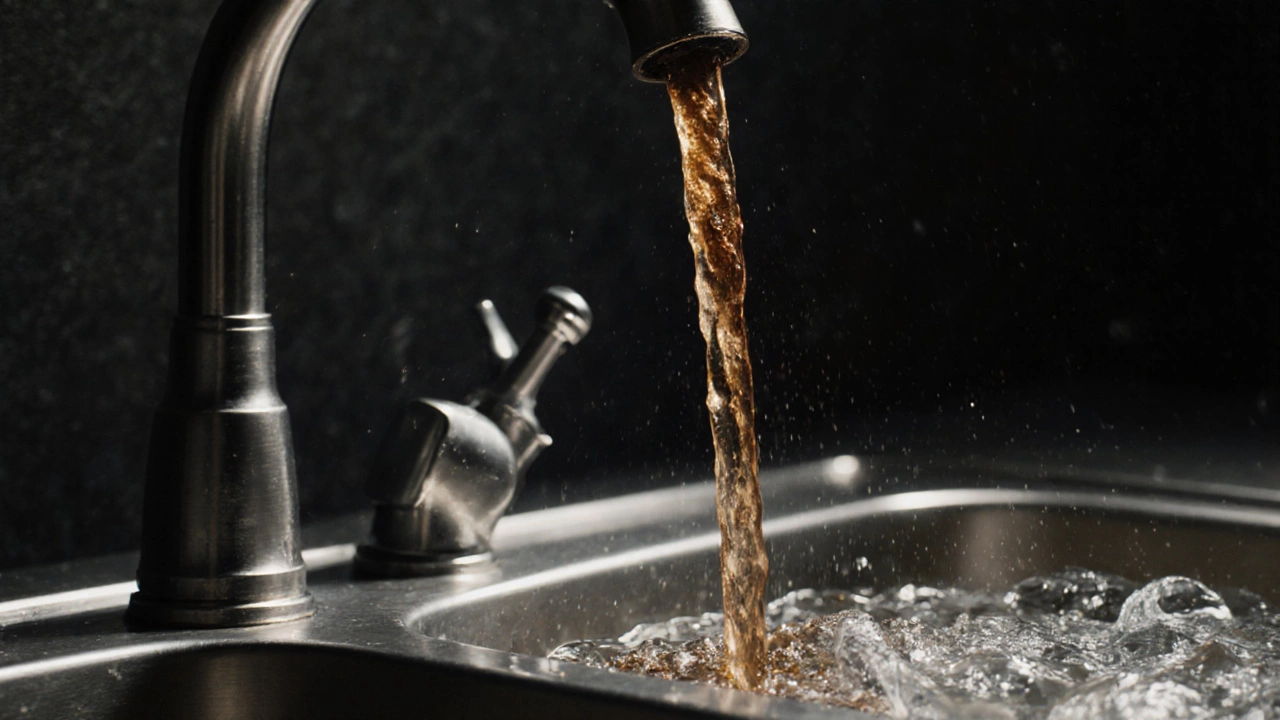
Learn the key signs your hot water heater is failing-like strange noises, rusty water, or rising bills-and when it’s smarter to replace it than to repair. Save money and avoid floods.
Your water heater is giving cold water? It’s usually a simple fix-check the breaker, test the heating elements, flush sediment, or replace a faulty thermostat. Learn how to diagnose and fix it yourself before calling a plumber.
Learn how to spot a failing water heater anode rod - smelly water, rust, noise - and how to replace it yourself before your tank leaks. Save hundreds on repairs.
Most water heaters last 8-12 years, but maintenance and water quality affect lifespan. Learn the signs your heater is failing and how to choose a replacement that lasts longer.
Pressing the reset button on your water heater once is usually safe, but doing it repeatedly can be dangerous. Learn why it trips, what to do instead, and when to call a professional.
Your hot water heater won’t turn on? It could be a tripped breaker, dead element, or faulty thermostat. Learn how to diagnose and fix common issues yourself before calling a pro.
Watch for signs like no hot water, strange noises, leaks, rust, or high bills-these mean your water heater is failing. Don’t wait for a burst. Replace it before it floods your home.
Water heaters fail early due to sediment buildup, corroded anode rods, high pressure, and poor maintenance. Learn the real reasons and how to fix them before your tank leaks.
Learn the key signs your water heater is failing-rusty water, strange noises, leaks, and more. Early detection saves you from costly repairs and sudden breakdowns.